Greatest Stoic Quotes of All Time: Wisdom From Marcus Aurelius, Seneca, Epictetus
by Daniel Bulmez
At a glance
About the Author
Daniel Bulmez1 book reviewed
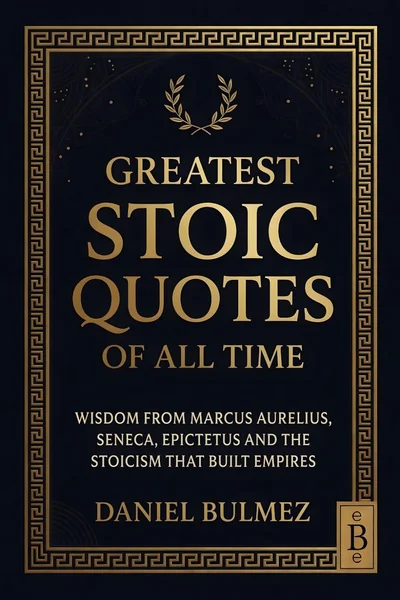
Greatest Stoic Quotes of All Time
Wisdom From Marcus Aurelius, Seneca, Epictetus
by Daniel Bulmez
LuvemBooks Verdict
Best for: Readers approaching Stoicism for the first time who want a portable, thematically organized anthology of canonical wisdom from Marcus Aurelius, Seneca, and Epictetus — without having to navigate dense primary texts.
Worth it? Skip it? Read the full verdict →Ask LuvemBooks
Was this helpful?
- Is it worth reading?
- For readers approaching Stoicism for the first time, LuvemBooks finds Greatest Stoic Quotes of All Time a genuinely useful entry point — its thematic organization around concerns like resilience, ego, mortality, and love makes it easy to dip into without committing to the full Meditations or Seneca's collected letters. The compact 131-page format is a deliberate trade-off: it maximizes accessibility but sacrifices the historical context, philosophical analysis, and close reading that primary texts provide. Readers already fluent in Stoic literature will likely find the selections familiar rather than revelatory, and those seeking sustained philosophical argument will find the anthology format limiting. The strongest case for it is as a practical companion — something to return to during moments of difficulty — rather than a scholarly resource.
- Similar books
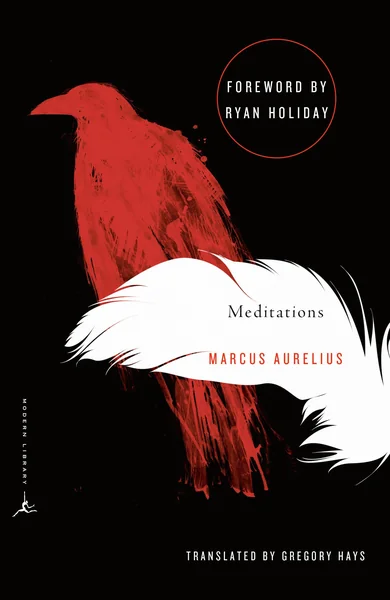
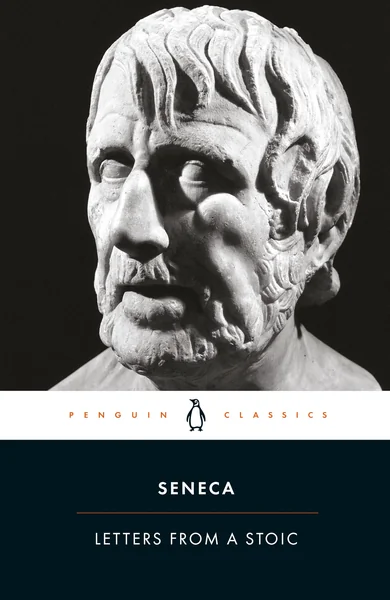
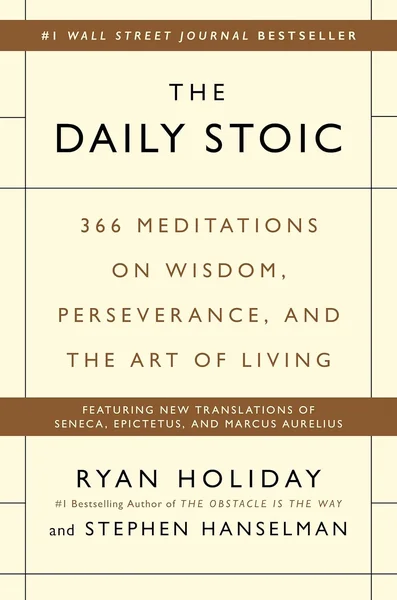
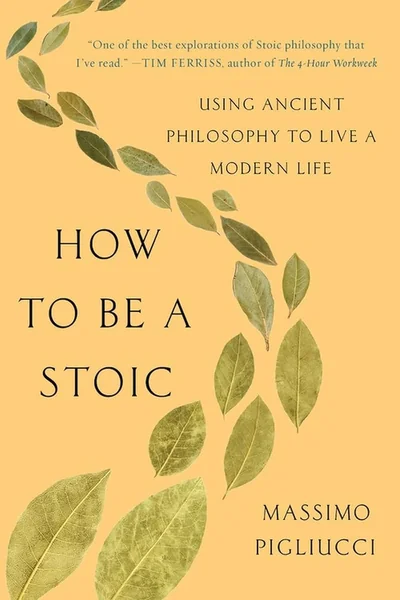
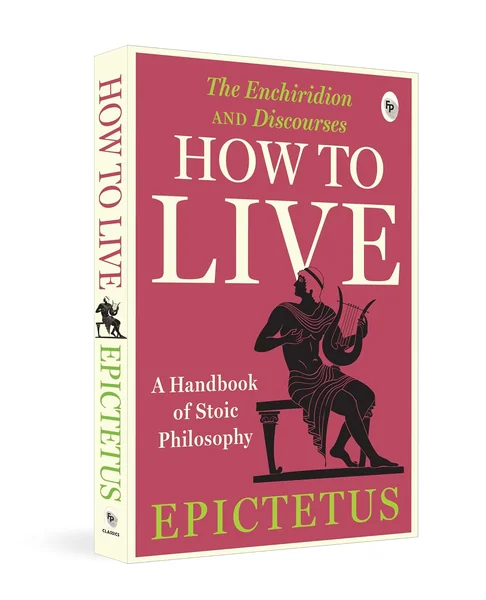
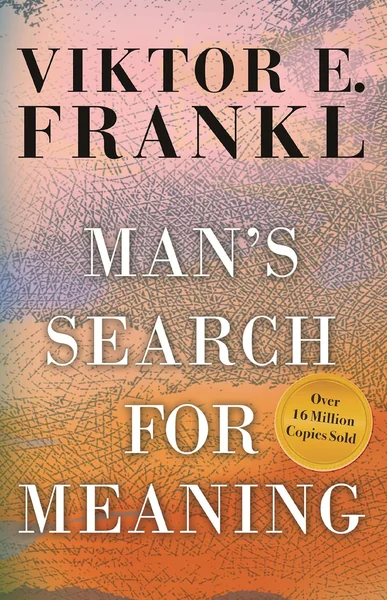
- Readers drawn to Greatest Stoic Quotes of All Time will find natural companions in the primary texts it draws from: Marcus Aurelius's Meditations and Seneca's Letters from a Stoic both offer the full depth of thought that an anthology can only sample, while Epictetus's How to Live delivers his teachings in a similarly accessible format. For curated modern engagement with Stoic ideas, Ryan Holiday and Stephen Hanselman's The Daily Stoic offers 366 thematic meditations structured for daily reading — a format close in spirit to Bulmez's approach. Massimo Pigliucci's How to Be a Stoic bridges ancient philosophy and contemporary life with more sustained analysis, and Viktor E. Frankl's Man's Search for Meaning, though not a Stoic text, shares the tradition's emphasis on resilience, purpose, and enduring difficulty with equanimity.
- Who should read this?
- Greatest Stoic Quotes of All Time is designed for two primary audiences: readers approaching Stoicism for the first time who want accessible wisdom without navigating dense primary texts, and readers already broadly familiar with Stoic ideas who want a thematically organized quick-reference to return to during moments of difficulty or reflection. It is particularly suited to those drawn to the contemporary resurgence of interest in Stoic ideas around resilience, equanimity, and purposeful living. Readers seeking sustained philosophical analysis, historical context, or close readings of individual quotations should look instead to the primary texts or to analytical works like Massimo Pigliucci's How to Be a Stoic.
- What is Stoicism?
- Stoicism is a philosophical tradition founded by Zeno of Citium in Athens around 300 BC, emphasizing reason, virtue, and the distinction between what is and is not within human control. By the time of the Roman Empire it had become one of the ancient world's most influential practical philosophies, shaping governance, literature, and personal conduct. The three philosophers at the heart of Bulmez's collection — Marcus Aurelius, Seneca, and Epictetus — represent Stoicism's Roman apex, and their ideas have seen a pronounced modern resurgence as readers turn to ancient texts for guidance on resilience, equanimity, and purposeful living.
- What does this book leave out?
- As an anthology format, Greatest Stoic Quotes of All Time selects and presents rather than interprets or contextualizes. It does not provide sustained philosophical analysis, historical commentary on each thinker's life, or close readings of how individual quotations fit within a larger body of work. The 131-page length also means breadth and brevity are built into the design — a deliberate trade-off. Additionally, the value of individual entries depends in part on translation choices and curatorial judgment, neither of which can be fully evaluated without firsthand engagement with the text.
- Is this a good book club pick?
- Greatest Stoic Quotes of All Time can work as a book club springboard, particularly for groups new to Stoic philosophy — its thematic organization around death, love, ego, judgment, and resilience offers natural discussion anchors. However, its anthology format means there is no sustained narrative or argument to trace across the full text, which may limit the depth of discussion compared to a primary work like the Meditations or an analytical text like How to Be a Stoic. It is best suited for groups looking to sample Stoic ideas and then branch into deeper reading, rather than as a standalone discussion text.
Summarize this book
Follow up
Synthesized from verified book data & published reviews · How we review
Press Enter to ask. Answers come from our editorial Q&A — start typing to see related questions.
Age & Reading Level
Recommended age
Adult
Reading level
Adult
Skip if you want sustained philosophical analysis, historical context, or close readings of individual Stoic quotations.
Editorial Review
Daniel Bulmez's Greatest Stoic Quotes of All Time gathers the most enduring words of Marcus Aurelius, Seneca, and Epictetus into a single compact reference, framed around the philosophical tradition of Stoicism that shaped Roman emperors and thinkers for centuries. This review covers the book's content and structure as described by published sources, not hands-on use.
Read the Full ReviewBooks like Greatest Stoic Quotes of All Time
Curated picks for readers who enjoyed Greatest Stoic Quotes of All Time, with our reasoning for each match.
If you liked Greatest Stoic Quotes of All Time