8 min read
4.5
· 7,403 Amazon ratingsShare This Review
Sophie's World by Jostein Gaarder Review: A Global Phenomenon of Philosophy in Fiction
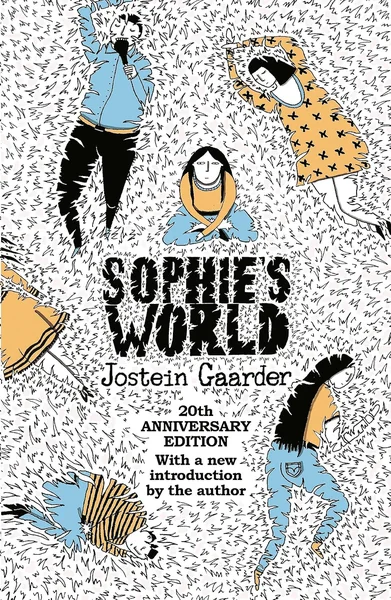
Jostein Gaarder's Sophie's World remains one of the most commercially successful Norwegian novels ever written — a genre-defying work that smuggles a comprehensive history of Western philosophy into a mystery-laden coming-of-age story, and the 20th Anniversary Edition marks the occasion with a new foreword by the author.
LuvemBooks Verdict
Best for
Curious readers — from engaged teenagers to adults — who want a genuine, substantive introduction to the history of Western philosophy and are willing to receive it through the vehicle of a mystery novel with a mind-bending metafictional twist.
Worth it if
Worth it if you want philosophy made genuinely accessible — from the pre-Socratics through to Sartre — without feeling like you're reading a textbook, and you can embrace a book that is simultaneously a coming-of-age mystery and a structured intellectual survey.
Skip if
Skip it if you're looking for a tightly plotted thriller or a purely academic philosophy text, as the book's dual ambition means the lengthy pedagogical passages where Alberto lectures Sophie will frustrate readers expecting conventional narrative momentum.
What readers & critics say
Kirkus Reviews described the novel's central conceit as Sophie discovering "she is nothing more than the fictional heroine of a novel about the history of philosophy," capturing both the book's metafictional audacity and its educational core. Wikipedia documents its extraordinary commercial and critical reach — bestselling book in the world in 1995, winner of the Deutscher Jugendliteraturpreis, and translated into fifty-nine languages with over forty million copies sold by 2011 — confirming a cultural footprint rare for any work of literary fiction.
“Sophie embarks on the study of philosophy with Alberto Knox, only to discover she is nothing more than the fictional heroine of a novel about the history of philosophy.”
— Kirkus ReviewsAsk LuvemBooks
Was this helpful?
- Is it worth reading?
- For anyone curious about Western philosophy but daunted by academic texts, Sophie's World remains one of the most effective gateway works ever written — over forty million copies sold across sixty languages is not marketing hyperbole but a documented record of its cross-cultural reach. Gaarder's gift for communicating ideas, as critics noted, is the engine of the book: complex concepts from Descartes to Kant to Sartre are made accessible without being stripped of substance. The caveat is structural — the novel's dual ambition means expository passages where Alberto lectures Sophie can interrupt narrative momentum, and readers expecting either a tightly plotted mystery or a purely academic survey may need to recalibrate their expectations.
- Similar books
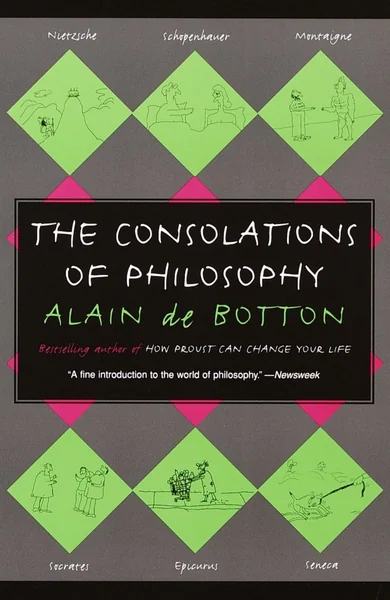
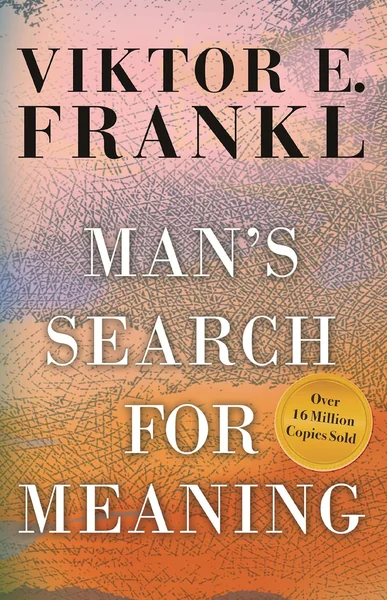
- Readers who enjoyed Sophie's World's accessible approach to Western philosophy may want to explore Alain De Botton's The Consolations of Philosophy, which applies philosophical thought to everyday problems in a similarly reader-friendly register, or Bertrand Russell's The History of Western Philosophy, which covers comparable intellectual territory in a more traditional survey format — reviewers have directly compared the scope of Sophie's World to Russell's work. For a more focused philosophical introduction, Simon Blackburn's Think offers a clear-eyed guide to the major questions of philosophy without the narrative scaffolding. Viktor E. Frankl's Man's Search for Meaning provides a different but complementary angle, grounding existentialist themes — central to Sophie's World's later chapters — in lived experience.
- Who should read this?
- Sophie's World is best suited to curious readers — of almost any age — who want an accessible, story-driven introduction to the history of Western philosophy. Its sustained global reach, with over forty million copies sold and translations into sixty languages, reflects its broad cross-cultural appeal across school curricula and adult reading groups alike. Readers who come primarily for the mystery and metafictional elements will find plenty to engage with, but should know the book's real commitment is to the philosophical survey — lengthy pedagogical passages are part of the structure, not incidental. It is less well suited to readers who want a tightly plotted novel or a purely academic text; it was built to be neither.
- What age is it for?
- Best for ages 14 and up, though confident younger readers can engage with it earlier. The philosophical content — covering metaphysics, ethics, political philosophy, and existentialism — demands real intellectual engagement regardless of age, and the density of the expository passages means younger or less patient readers may find the pedagogical stretches challenging. The protagonist Sophie is 14, which makes it a natural fit for older secondary-school readers and above.
- About J. Gaarder
- Gaarder is a Norwegian surname.
- Tell me about the adaptations
- Sophie's World has been adapted into both a film and a PC game. More recently, a two-volume graphic novel adaptation — written by Vincent Zabus and illustrated by Nicoby — began publication in October 2022, bringing the novel's philosophical narrative to a new visual format. The breadth of these adaptations reflects the novel's documented cultural footprint across more than two decades.
- What are the main themes?
- At its core, Sophie's World is a novel about the act of questioning itself — Sophie's journey from a puzzled girl receiving anonymous letters to someone grappling with the nature of her own existence embodies the philosophical disposition the book champions. The major philosophical traditions covered include pre-Socratic cosmology, Enlightenment rationalism, and twentieth-century existentialism, with metaphysics, ethics, and political philosophy all receiving attention. The metafictional structure adds a further layer: when Sophie and Alberto discover they are fictional characters, the abstract question of what is real becomes urgently personal, and the novel further hypothesises that the "real world" in which their story is written may itself be fictional.
Summarize this book
Follow up
Synthesized from verified book data & published reviews · How we review
Press Enter to ask. Answers come from our editorial Q&A — start typing to see related questions.
Age & Reading Level
Recommended age
Ages 12–18
Reading level
Young adult
who it suits
Best for: Ages 14+ — the breadth and density of philosophical content, covering metaphysics, ethics, and existentialism across hundreds of pages, demands sustained intellectual engagement that suits older teens and above
Skip if you want a tightly plotted mystery or a purely academic philosophy text, rather than a hybrid of both
Our Review
What the Novel Actually Is
Scale, Reception, and Cultural Reach
What Gaarder Does Exceptionally Well
Genuine Limitations and Who May Struggle
Who This Edition Is For
Sources & Further Reading
The key facts and claims in this review are grounded in the retrieved, verified sources listed below.
- Cited in this review
- 1
en.wikipedia.org
- 2
antoineonline.com
- 3
- 4
- Further reading
- 5
J. Gaarder, Wikipedia
- 6
kalimatstore.com
- 7
eduindex.org
- 8
Books like Sophie's World
Curated picks for readers who enjoyed Sophie's World, with our reasoning for each match.
If you liked Sophie's World