9 min read
4.8
· 93 Amazon ratingsShare This Review
The Desecration of Man by Carl Trueman Review: A Rigorous Christian Cultural Critique
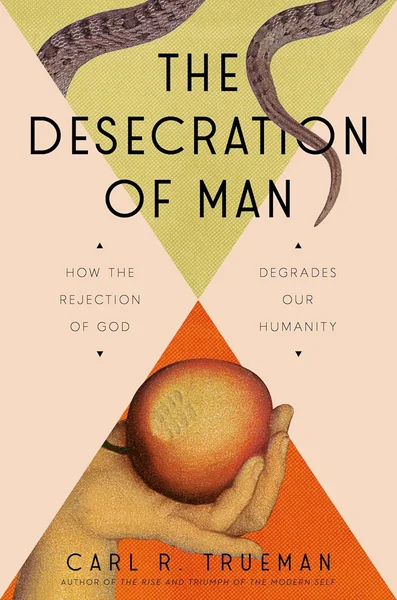
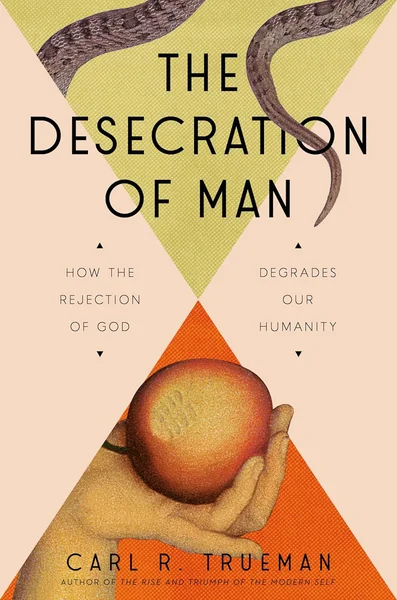
Carl Trueman's The Desecration of Man builds on his earlier work to argue that the rejection of the imago Dei — the theological truth that human beings are made in the image of God — is the root cause of Western culture's deepest crises, and that only a return to consecration can restore genuine human dignity.
LuvemBooks Verdict
Best for
Pastors, theologians, and engaged Christian laypeople — especially those familiar with Trueman's earlier work — who want a tightly argued, theologically grounded diagnosis of modern culture's crisis of meaning rooted in the rejection of the imago Dei.
Worth it if
You want a sharper, more pastoral crystallisation of Trueman's ongoing cultural-criticism project that moves beyond lament to offer a constructive vision drawn from the Early Church's example.
Skip if
Skip it if you're looking for a devotional or popular-level treatment of cultural decline, or if you need the imago Dei argued from first principles rather than taken as the foundational premise of the entire case.
What readers & critics say
The Gospel Coalition describes the book as "an important volume for understanding our culture," crediting it with introducing a wider audience to the significance of theological anthropology for social ethics. The Federalist calls it an "excellent new book," identifying desecration as Trueman's one-word summary of the unifying impulse behind modern cultural upheaval. Challies.com highlights Trueman's engagement with Nietzsche and the concept of man as self-creator as a compelling through-line, while Tabletalk Magazine frames the book as a timely defence of the biblical doctrine of humanity at what it sees as the focal point of cultural attack on the church today.
Sources: The Gospel Coalition, The Federalist, Challies.com, Tabletalk MagazineAsk LuvemBooks
Was this helpful?
- Is it worth reading?
- For its intended audience — pastors, theologians, and engaged Christian laypeople already troubled by what Trueman calls the 'spiritual sickness of our time' — The Desecration of Man comes with strong pre-publication endorsements: Cardinal Timothy Dolan called it 'a more compelling, colorful, cogent exposition of this truth' than he had previously encountered, and First Things described it as 'clear-headed, exquisitely written, and profoundly learned.' Mary Harrington's endorsement is notable for suggesting the book has genuine reach beyond confessional audiences, crediting it with offering 'rich material to thoughtful secularists and Christian believers alike.' The key caveat is that the argument takes the imago Dei as its foundational axiom rather than arguing for it from shared pluralistic premises, which limits its persuasive reach for readers outside a Christian theological framework.
- Similar books
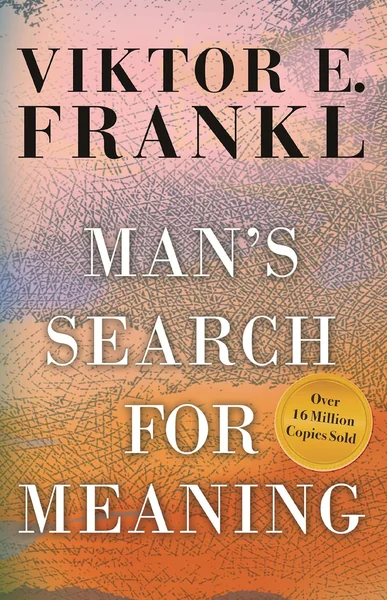
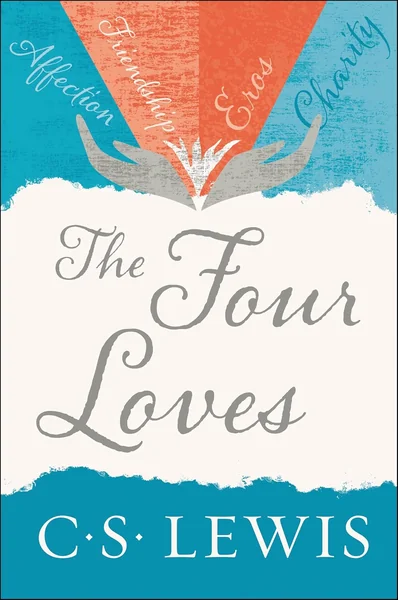
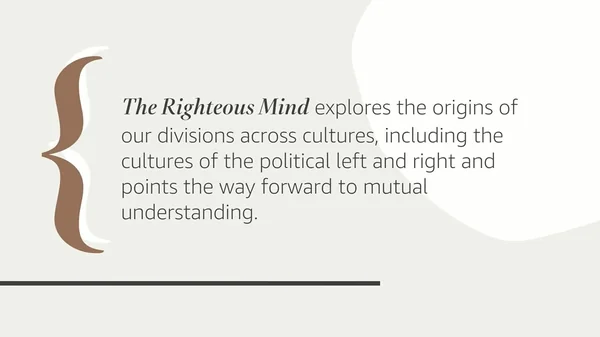
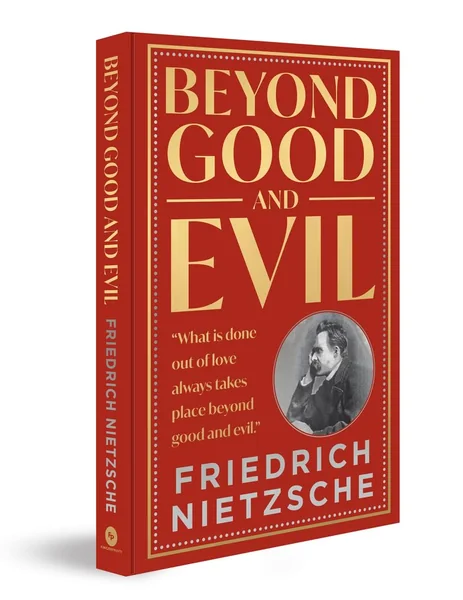
- Readers drawn to Trueman's theological and philosophical approach to human dignity will find rich company in the related titles displayed below. C. S. Lewis's The Four Loves shares Trueman's grounding of human experience in a Christian anthropological framework, while Friedrich Nietzsche's Beyond Good and Evil provides essential background for Trueman's engagement with the declaration that man must become his own god. Jonathan Haidt's The Righteous Mind offers a secular-academic counterpart — diagnosing moral and political division from a social-psychology perspective rather than a theological one. Viktor Frankl's Man's Search for Meaning addresses the same crisis of meaning from a humanist-existential standpoint, and Boethius's The Consolation of Philosophy represents the classical tradition of grounding human dignity in a transcendent order that Trueman explicitly draws upon.
- Who should read this?
- The Desecration of Man is directed squarely at readers — Christian and otherwise — who are troubled by what Trueman calls the 'spiritual sickness of our time' and who want a theologically grounded explanation that goes beyond cultural nostalgia or vague secularisation narratives. It will be most rewarding for pastors, theologians, and engaged laypeople already familiar with Trueman's earlier work, for whom this volume offers a sharper, more pastoral crystallisation of his ongoing project. Thoughtful secular readers willing to engage a Christian anthropological framework on its own terms — as Mary Harrington's endorsement suggests is possible — will also find substantial material here.
- About Carl Trueman
- Carl R. Trueman holds an MA from the University of Cambridge and a PhD from the University of Aberdeen. He formerly served on faculty at the Universities of Nottingham and Aberdeen and Westminster Theological Seminary in Pennsylvania, and is currently a professor of biblical and religious studies at Grove City College. His books include The Rise and Triumph of the Modern Self, The Creedal Imperative, and The Desecration of Man.
- What are the main themes?
- The book's central theme is the imago Dei — the theological claim that human beings are made in the image of God — and the cultural consequences of rejecting it. Trueman argues that this rejection manifests in specific modern phenomena: abortion, pornography, casual sex, and gender transitions, which he frames as a culture violently disrespecting its own minds and bodies. A secondary theme is the Nietzschean dynamic of man-as-self-creator: when God is removed, individuals must generate their own meaning and morality, a process Trueman argues has been amplified by technological control over sex, reproduction, and identity. The book also develops a constructive theme of consecration, proposing that the Early Church's model of offering life in place of death is the appropriate Christian response.
- How does this compare to The Rise and Triumph of the Modern Self?
- The Rise and Triumph of the Modern Self was a broad historical genealogy of expressive individualism, mapping the intellectual and cultural history that produced the modern understanding of selfhood. The Desecration of Man narrows that project to a single, sharper claim: that the rejection of the imago Dei specifically — not just cultural drift or secularisation — is the root cause of modern malaise. The new volume is also more explicitly constructive, concluding with a pastoral call to the local church, whereas the earlier book was primarily diagnostic. Advance readers describe The Desecration of Man as a more concentrated and pastorally accessible crystallisation of Trueman's ongoing project.
Summarize this book
Follow up
Synthesized from verified book data & published reviews · How we review
Press Enter to ask. Answers come from our editorial Q&A — start typing to see related questions.
Age & Reading Level
Recommended age
Adult
Reading level
Adult
2 content notes · who it suits
Content to know about
Skip if you are looking for a devotional or popular-level treatment of Christian anthropology rather than a philosophically and historically grounded argument.
Our Review
What the Book Actually Argues
Context and Significance
Strengths Noted by Advance Readers
Genuine Limitations and Who May Be Frustrated
Who This Book Is For
Sources & Further Reading
The key facts and claims in this review are grounded in the retrieved, verified sources listed below.
- 1
challies.com
- 2
tabletalkmagazine.com
- 3
- 4
thegospelcoalition.org
- 5
penguinrandomhouse.com
- 6
- 7
Books like The Desecration of Man
Curated picks for readers who enjoyed The Desecration of Man, with our reasoning for each match.
If you liked The Desecration of Man