8 min read
4.4
· 503 Amazon ratingsShare This Review

Our review
50 Philosophy Classics: Thinking, Being, Acting, Seeing
50 Philosophy Classics by Tom Butler-Bowdon Review: An Accessible Gateway to Philosophy's Greatest Minds
50 Philosophy Classics by Tom Butler-Bowdon is a reference and companion guide designed to make two millennia of philosophical thought accessible to general readers, covering fifty landmark works from thinkers including Aristotle, Plato, Descartes, Kant, Sartre, Foucault, and Wittgenstein. This review is based on the book's documented contents and published reception — not hands-on use or application.
LuvemBooks Verdict
Best for
Intellectually curious non-specialists — book club members, self-directed learners, or anyone put off by dense academic texts — who want a structured, readable orientation to fifty landmark works across philosophy's major questions.
Worth it if
Worth reading if you want a coherent, thematically organised introduction to philosophy's most important thinkers and works, and are happy to use it as a springboard toward reading the originals rather than a substitute for them.
Skip if
Skip it if you are an advanced student or academic philosopher seeking rigorous close analysis, sustained argument, or engagement with secondary literature — the survey format's deliberate brevity will leave those needs unmet.
What readers & critics say
AbeBooks describes the entries as explaining and discussing philosophical ideas "briefly, but with remarkable lucidity," noting that Butler-Bowdon gives "a sympathetic account of each thinker," making complex views accessible to the general reader. Reader commentary aggregated at allbookstores.com is warmly positive, with respondents calling the commentary "wonderful and insightful" and praising the book's depth and accessibility in equal measure.
Sources: AbeBooks, allbookstores.comAsk LuvemBooks
Was this helpful?
- Is it worth reading?
- For intellectually curious readers who want a structured, readable orientation to philosophy without committing to a university curriculum, 50 Philosophy Classics delivers admirably on its stated mission. Published commentary highlights its clarity as a primary virtue, with one source describing entries as explaining philosophical ideas 'with remarkable lucidity' and making 'complex views on a whole range of important and enduring issues accessible to the general reader.' It also functions effectively as a curated reading list, with each entry pointing toward the original work if a thinker sparks genuine interest. Readers seeking scholarly depth, rigorous close analysis, or engagement with secondary literature will, however, find the condensed format insufficient for those purposes.
- Similar books
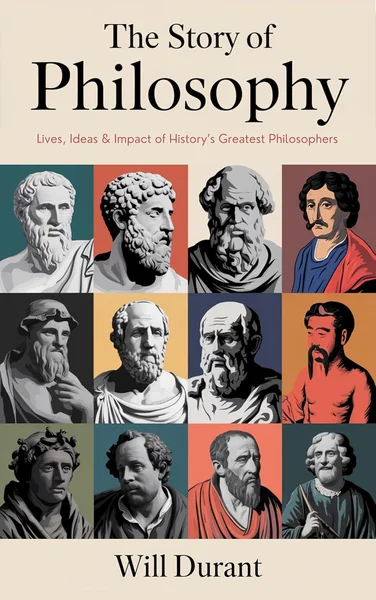
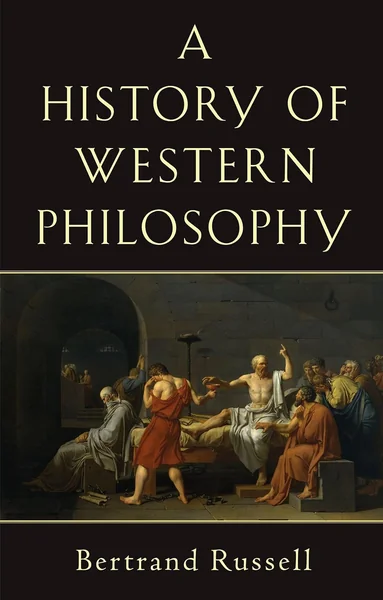
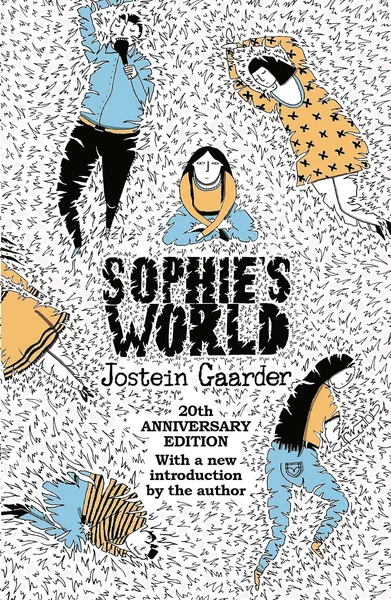
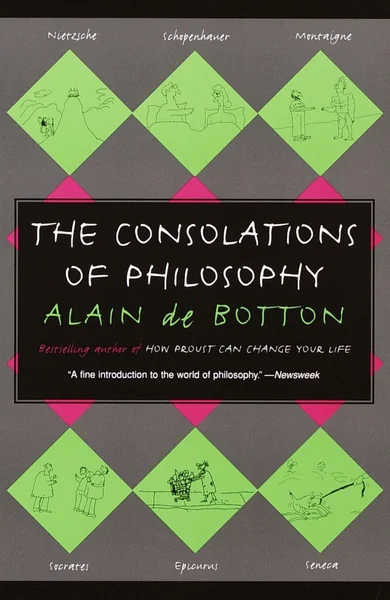
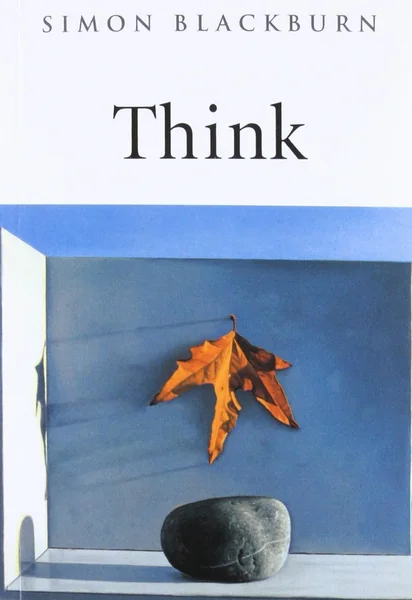
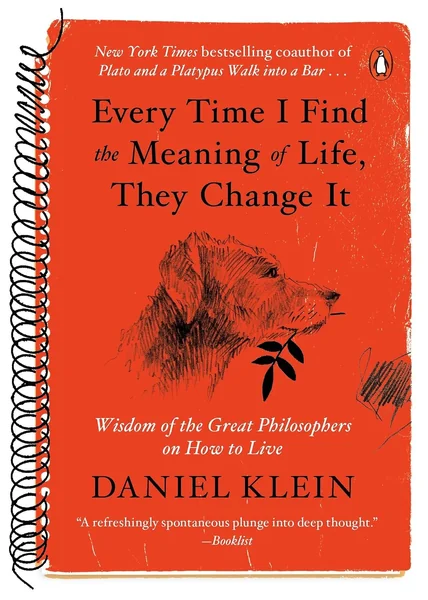
- Readers who enjoy 50 Philosophy Classics will find strong companions in Will Durant's The Story of Philosophy and Bertrand Russell's The History of Western Philosophy, both of which offer broad surveys of the tradition with their own distinctive authorial voices. For a more narrative and novelistic approach to philosophical ideas, Jostein Gaarder's Sophie's World is widely recommended as an accessible gateway. Alain De Botton's The Consolations of Philosophy takes a more personal and essayistic angle on how ancient thinkers can speak to everyday life, while Simon Blackburn's Think: A Compelling Introduction to Philosophy offers a more structured academic entry point. Daniel Klein's Every Time I Find the Meaning of Life, They Change It provides a lighter, more literary take on philosophical wisdom.
- Who should read this?
- 50 Philosophy Classics is most squarely aimed at intellectually curious general readers who want a structured orientation to philosophy without committing to a university curriculum — including book club participants, self-directed learners, and anyone who has found standard philosophy textbooks intimidating. It suits readers who want to understand not just who the major figures are, but what fundamental questions their work addresses, thanks to the four-part framework of thinking, being, acting, and seeing. Academic philosophers and advanced students are not the intended audience, as the condensed format will not satisfy the need for rigorous depth.
- About Tom Butler-Bowdon
- Tom Butler-Bowdon is a non-fiction author based in Oxford, England.
- What are the main themes?
- The book is organised around four animating questions that Butler-Bowdon argues define philosophy's enduring project: how to think, how to be, how to act, and how to see. These headings give shape to the fifty entries — for example, Descartes, Foucault, and Wittgenstein appear under 'how to think'; Aristotle, Spinoza, and Sartre under 'how to be'; Bentham, Kant, and Peter Singer under 'how to act'; and Baudrillard and Hegel under 'how to see.' The overarching premise is that philosophy has served as humanity's best guide to the experience of being human and the true nature of reality for over two thousand years, and that this tradition deserves a lively, welcoming entry point.
- Do I need to read it cover to cover?
- No — the book's design lends itself naturally to selective or dip-in reading. Each of the fifty entries is self-contained, introducing a philosopher's core ideas and situating them within the broader discipline, so readers can follow the thematic sections or focus on individual thinkers that interest them most. The book also functions effectively as a guided reading list: entries can direct readers toward the original works whenever a particular philosopher sparks genuine curiosity.
Summarize this book
Follow up
Synthesized from verified book data & published reviews · How we review
What would you like to know about 50 Philosophy Classics: Thinking, Being, Acting, Seeing?
Answers come from our editorial notes on this book. If we haven't covered something, we'll say so.
Readers often ask
Our Review
This review covers the book's content, premise and published critical reception, not a first-hand reading.
What the Book Is and How It Is Structured
Scope and Ambition: Two Thousand Years in One Volume
Strengths: Lucidity and Sympathetic Engagement
Genuine Limitations: A Survey Is Not a Deep Dive
Who This Book Is For
Sources & Further Reading
The key facts and claims in this review are grounded in the retrieved, verified sources listed below.
- 1
Tom Butler-Bowdon, LuvemBooks
- 2
- 3
- 4
butler-bowdon.com
- 5
- 6
- 7
Age & Reading Level
Recommended age
Adult
who it suits
Skip if you want rigorous scholarly analysis, sustained philosophical argument, or close engagement with secondary literature.
Reader reviews
Be one of the first readers to answer.
Read it? Was it right for you?
Books like 50 Philosophy Classics: Thinking, Being, Acting, Seeing
Curated picks for readers who enjoyed 50 Philosophy Classics: Thinking, Being, Acting, Seeing, with our reasoning for each match.

If you liked 50 Philosophy Classics: Thinking, Being, Acting, Seeing