Share This Review

Our review
Philosophy for Kids
Philosophy for Kids by David White Review: A Rigorous Yet Accessible Gateway to Philosophy
Philosophy for Kids by David A. White is an activity-rich introduction to philosophical inquiry designed for young learners, organized around the core topics of values, knowledge, reality, and critical thinking — and now in a second edition from Routledge. This review is based on published sources and the book's documented content and structure, not hands-on use.
LuvemBooks Verdict
Best for
Educators, homeschooling parents, and classroom teachers looking for a structured, discussion-ready philosophy curriculum — authored by a credentialed philosopher — to introduce children in roughly grades 3–6 to serious philosophical thinking across values, knowledge, reality, and critical reasoning.
Worth it if
Worth adopting if you or your students are ready to engage with genuinely open-ended dialogue, and you want a resource with real academic rigour behind it — built around 40 concrete questions that treat young people as capable thinkers rather than passive recipients.
Skip if
Skip it if you're hoping for a light, self-directed read children can work through alone — the discussion-dependent activities require a confident adult facilitator to generate the philosophical dialogue the book promises, and the abstract questions on reality and self-knowledge can fall flat without that guidance.
What readers & critics say
The homeschool review blog Quarks and Quirks describes the book's questions as genuine discussion-starters used two or three mornings a week to open the academic day, noting the material suits children 10 and up but can work with younger gifted readers depending on abstract reasoning ability. Curriculum-reviews.com notes that the "For Further Thought" questions can serve as written essay prompts for older students, though they may need initial help crafting logical responses to abstract concepts, as the move from childhood questioning to philosophical thinking generally takes encouragement and practice.
Sources: Quarks and Quirks, Curriculum ReviewsAsk LuvemBooks
Was this helpful?
- Is it worth reading?
- For educators and homeschooling parents seeking a credible, structured philosophy resource for young learners, Philosophy for Kids earns a clear recommendation — it is authored by a career philosopher with a doctorate from the University of Toronto and decades of university teaching, and its 40-question framework provides genuine intellectual rigour rather than a vague survey approach. The book's flexibility, spanning individual reading and whole-class use, and its cross-curricular intent — positioning philosophical reasoning as a skill that strengthens performance across other academic subjects — add practical value. The key caveat is facilitation: the discussion-dependent activities mean their effectiveness will vary significantly based on an adult's comfort with open-ended philosophical dialogue, so it rewards committed facilitators more than passive adopters.
- Similar books
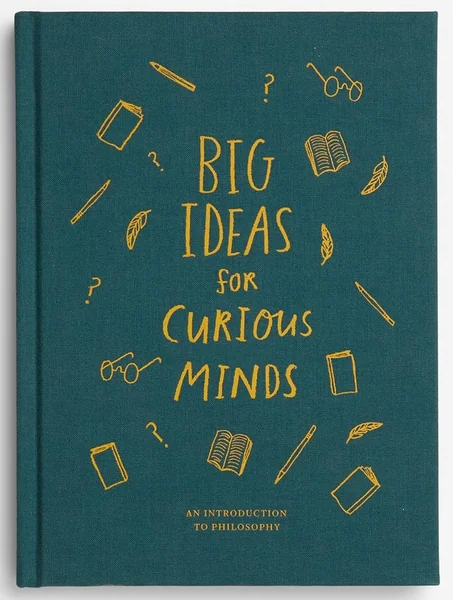
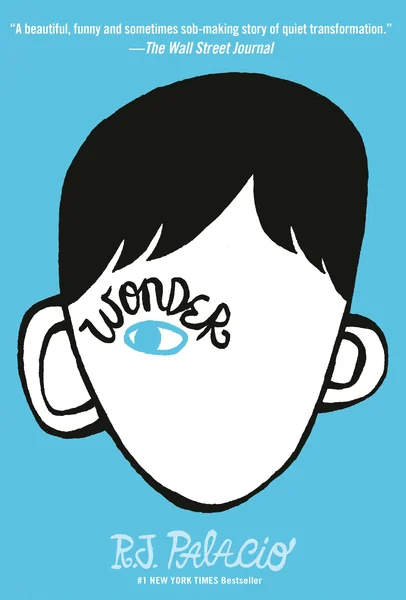
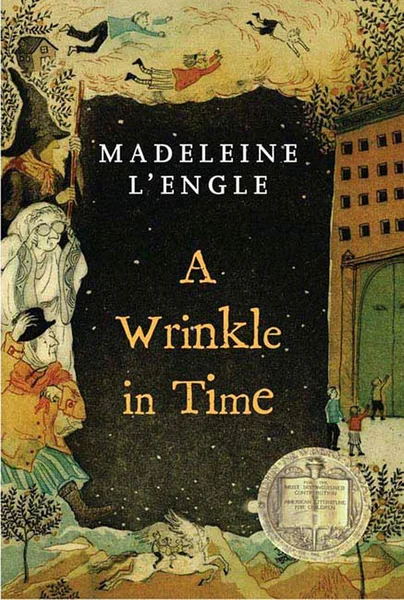
- Readers drawn to Philosophy for Kids will find strong companions in the curated selection below. Big Ideas for Curious Minds: An Introduction to Philosophy by The School of Life offers another accessible, visually engaging entry point into philosophical ideas for young audiences. For fiction that naturally sparks philosophical and ethical thinking in children, Wonder by R. J. Palacio and A Wrinkle in Time by Madeleine L'Engle both prompt rich discussion about identity, reality, and moral reasoning — themes that overlap directly with White's four pillars. The Mysteries of the Universe by Will Gater pairs well for children whose curiosity about reality and knowledge extends into science, while Matilda by Roald Dahl remains a beloved gateway for young readers who love to think differently about the world around them.
- Who should read this?
- Philosophy for Kids is best suited for classroom teachers, homeschooling parents, and educators who want a credible, structured resource for introducing philosophical reasoning to young learners — particularly those comfortable facilitating open-ended discussion. Its primary grade target is grades 3–4, though the book's effective range is elastic, tied more to a child's comfort with abstract reasoning than to a fixed grade level; verbally advanced or academically accelerated younger children may engage with it ahead of the stated band. Curious individual readers who enjoy big questions will also find value in it, though the book's activities are most effective when an engaged adult facilitator is present.
- What age is it for?
- Best for ages 8–10 and up (grades 3–4 is the primary target), though the book's effective age range is elastic and depends more on a child's abstract reasoning ability and verbal skills than on a fixed grade level. Some of the 40 questions — particularly those touching on the nature of reality or the limits of self-knowledge — are genuinely challenging and benefit from adult facilitation, while others are accessible enough for confident younger readers; the book's teaching tips are built in to help bridge that gap.
- What's the reading level?
- Philosophy for Kids targets children in grades 3–4 as its primary audience, but its effective reading and comprehension level is less about decoding words and more about a child's capacity for abstract reasoning and philosophical dialogue. The glossary of terms and built-in teaching tips are designed to scaffold the material for learners who are new to philosophical vocabulary, while the 40 questions themselves range in complexity from the imaginative ("Can computers think?") to the genuinely demanding ("Are numbers and people equally real?"), meaning the ceiling of the book is higher than its stated grade band might suggest.
- Does it support other school subjects?
- Yes — the book's design intent is expressly interdisciplinary. According to the publisher, engaging with philosophical thought is meant to enhance a young person's appreciation for reasoning across the traditional curriculum of subjects, positioning Philosophy for Kids not as a detour from core academics but as a sharpener of the skills those subjects demand. The inclusion of teaching tips alongside activities signals that the material was developed with classroom facilitation in mind, reinforcing skills such as critical thinking, argumentation, and close reading that carry across English, science, history, and mathematics.
Summarize this book
Follow up
Synthesized from verified book data & published reviews · How we review
Press Enter to ask. Answers come from our editorial Q&A — start typing to see related questions.
Our Review
What the Book Actually Is and How It's Structured
The Author's Credentials and the Book's Place in the Field
Core Strengths: Breadth, Usability, and Cross-Curricular Design
Pitch and Audience Calibration
Genuine Limitations to Consider
Sources & Further Reading
The key facts and claims in this review are grounded in the retrieved, verified sources listed below.
- Cited in this review
- 1
worldofbooks.com
- Further reading
- 2
- 3
- 4
- 5
- 6
curriculum-reviews.com
- 7
- 8
- 9
- 10
Age & Reading Level
Recommended age
Ages 8–12
Reading level
Middle grade
who it suits
Best for: Ages 8+ (grades 3–4) — abstract philosophical questions and activity-based format suit confident, verbally capable readers; some questions on reality and self-knowledge benefit from adult facilitation
Skip if you want a light, passive read rather than a facilitated, discussion-driven activity book
Reader reviews
Be one of the first readers to answer.
Read it? Was it right for you?
Books like Philosophy for Kids
Curated picks for readers who enjoyed Philosophy for Kids, with our reasoning for each match.
If you liked Philosophy for Kids