8 min read
Share This Review
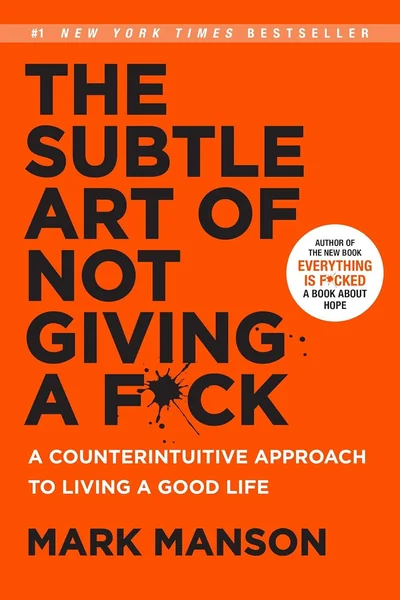
The Subtle Art of Not Giving a F*ck by Mark Manson Review: A Counterintuitive Self-Help Phenomenon
Mark Manson's The Subtle Art of Not Giving a F*ck is a nonfiction self-help book that rejects the culture of relentless positivity in favor of a candid argument: life's struggles give it meaning, and focusing on what truly matters is more valuable than chasing happiness as an end in itself. Published under HarperOne and now with over 20 million copies sold worldwide, it has earned the status of a generation-defining work in the self-help genre.
LuvemBooks Verdict
Best for
Readers who feel exhausted by relentless positivity culture and want a blunt, philosophically grounded argument for choosing what genuinely deserves their attention and energy.
Worth it if
You're open to a sustained, anecdote-driven counterintuitive argument — delivered in an unapologetically profane, conversational voice — that life's struggles are the source of meaning, not obstacles to it.
Skip if
If you prefer evidence-based, research-cited self-help or find confrontational, profanity-laden prose more distracting than motivating, this book's entire register will work against you.
What readers & critics say
Kirkus Reviews, as cited on kirkusreviews.com, called it "a good yardstick by which self-improvement books should be measured," praising Manson's "cheeky but thoughtful opinions." Reader and blogger responses retrieved from johnwalterswriter.com and emibeebooks.wordpress.com highlight the book's relatable, casual voice and its frank challenge to readers who "care about everything way too much."
“Manson's cheeky but thoughtful opinions combine with in-depth advice — a good yardstick by which self-improvement books should be measured.”
— Kirkus Reviews“You get a lot of tough love from Mark Manson — human beings are flawed and limited, and you need to get comfortable with your limitations.”
— The Invisible MentorAsk LuvemBooks
Was this helpful?
- Is it worth reading?
- For readers worn down by the positivity-at-all-costs messaging that dominates self-help, The Subtle Art of Not Giving a F*ck offers a tightly focused, genuinely counterintuitive alternative with a clear philosophical through-line. Critics called it 'a good yardstick by which self-improvement books should be measured,' and its sustained sales of over 20 million copies across more than 65 languages confirm that its core message resonates broadly. The key caveat is that the book leans heavily on personal anecdote rather than research, and its confrontational tone is non-negotiable — those factors will determine whether it lands as refreshing or frustrating.
- Similar books
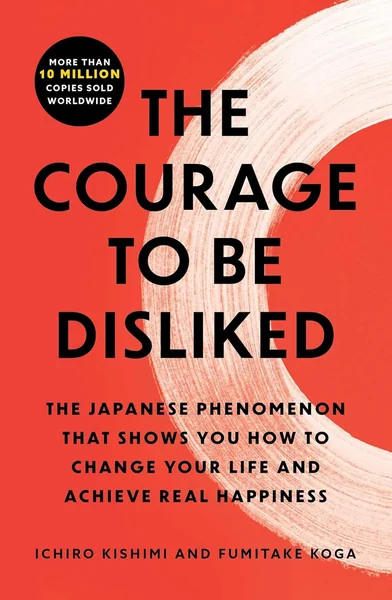
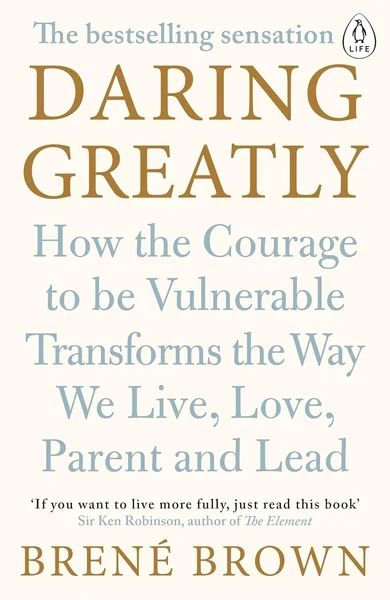
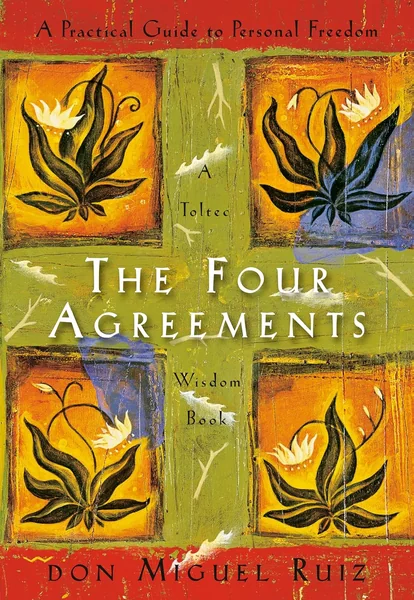
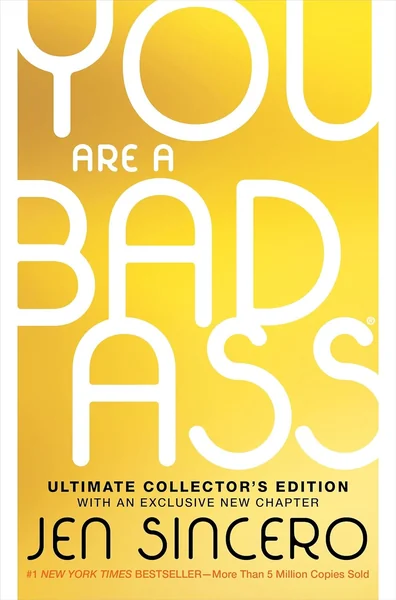
- Readers drawn to Manson's candid, philosophy-grounded approach to self-improvement may also want to explore The Subtle Art of Not Giving a F*ck Journal by Mark Manson, which extends the book's ideas in a companion format. Beyond Manson's own work, books that share its counterintuitive, no-nonsense stance on meaning and personal values — such as Ryan Holiday's The Obstacle Is the Way or Viktor Frankl's Man's Search for Meaning — occupy similar philosophical territory. For readers who appreciate the blunt critique of mainstream self-help culture, Oliver Burkeman's Four Thousand Weeks offers a comparably direct argument about attention and priorities.
- Who should read this?
- The Subtle Art of Not Giving a F*ck is designed for readers who feel worn down by positivity-at-all-costs self-help messaging and are looking for a more direct, philosophically grounded alternative. It is particularly well-suited to those comfortable with blunt, profanity-laden prose and willing to engage with a sustained argument rather than a step-by-step program. The publisher describes it as 'a refreshing slap for a generation to help them lead contented, grounded lives,' and its broad cultural reach — endorsed publicly by figures such as Olympic gold medalist Simone Biles — suggests its message travels across a wide range of audiences.
- About Mark Manson
- Mark Manson is an American self-help author and blogger.
- Tell me about the adaptation
- The Subtle Art of Not Giving a F*ck was adapted into a documentary film in 2023, with Manson himself narrating. The adaptation extends the book's cultural reach beyond the page and represents an unusual case of an author directly shaping how their work is presented on screen. The documentary is a companion to, rather than a replacement for, the book's sustained written argument.
- How does this compare to the Manson journal?
- The Subtle Art of Not Giving a Fck is a sustained philosophical argument delivered in an entertaining, confrontational voice — its purpose is to challenge the reader's thinking about values, struggle, and meaning. The Subtle Art of Not Giving a Fck Journal by Mark Manson, which LuvemBooks has also reviewed, translates those ideas into an interactive companion format designed for active reflection and application. Readers looking for the full intellectual argument should start with the original book; the journal is a natural follow-on for those who want to work with its ideas more directly.
Summarize this book
Follow up
Synthesized from verified book data & published reviews · How we review
Press Enter to ask. Answers come from our editorial Q&A — start typing to see related questions.
Age & Reading Level
Recommended age
Adult
Reading level
Adult
1 content note · who it suits
Content to know about
Best for: Adults — the confrontational, profanity-laden register and abstract philosophical argument are squarely aimed at an adult readership.
Skip if you want a research-backed, evidence-driven self-help book or prefer a measured, profanity-free tone.
Our Review
What the Book Actually Argues
Place in the Self-Help Genre and Cultural Reach
Strengths: Voice, Structure, and the Substance of the Argument
Limitations and Who May Struggle With It
Who This Book Is For
Sources & Further Reading
The key facts and claims in this review are grounded in the retrieved, verified sources listed below.
- Cited in this review
- 1
- 2
brianchristner.io
- 3
en.wikipedia.org
- Further reading
- 4
Mark Manson, Wikipedia
- 5
markmanson.net
- 6
- 7
Books like The Subtle Art of Not Giving a F*ck
Curated picks for readers who enjoyed The Subtle Art of Not Giving a F*ck, with our reasoning for each match.
If you liked The Subtle Art of Not Giving a F*ck