

7 min read
4.7
· 1,058 Amazon ratingsShare This Review

Our review
The Subtle Art of Not Giving a F*ck Journal
The Subtle Art of Not Giving a F*ck Journal by Mark Manson Review: A Structured Companion to a Bestselling Philosophy
Published by Harper Paperbacks in May 2022, this interactive companion journal translates the core philosophy of Mark Manson's internationally bestselling The Subtle Art of Not Giving a F*ck into hundreds of guided prompts and writing exercises, organized across five thematic sections covering emotions, values, and purpose — designed for readers who want to move from reading Manson's ideas to actively applying them.


 Tap to enlarge
LuvemBooks Verdict
Best for
Fans of The Subtle Art of Not Giving a F*ck who found Manson's philosophy resonant but want a structured, writable space to actively interrogate their own values, emotions, and priorities through his framework.
Worth it if
You've already read — and connected with — The Subtle Art of Not Giving a F*ck and want a concrete, prompt-driven tool to translate its counterintuitive philosophy into genuine self-examination on your own terms.
Skip if
You're new to Manson's work, expecting fresh ideas or new arguments from him, or need built-in accountability and structured daily progression to sustain a journalling habit.
What readers & critics say
Kirkus Reviews praised the source book — on which this journal is squarely built — as "a good yardstick by which self-improvement books should be measured," commending Manson's rejection of empty affirmations in favour of genuinely finely honed values. Brianchristner.io notes that Manson offers "a refreshing perspective on living a meaningful life" by arguing that the relentless pursuit of happiness actually makes us unhappy, and that true meaning comes through overcoming challenges rather than avoiding them.
“A good yardstick by which self-improvement books should be measured.”
— Kirkus ReviewsPreview the book

Ask LuvemBooks
Was this helpful?
- Is it worth reading?
- For readers who found The Subtle Art of Not Giving a F*ck resonant but abstract in its personal application, the journal offers a concrete, structured pathway — one that retains Manson's irreverent, anti-platitude voice rather than softening it into generic wellness-speak. Its deliberate rejection of rigid daily schedules aligns the format with the source book's core anti-perfectionism philosophy, making it a tool that fits Manson's worldview rather than contradicting it. However, it delivers no new intellectual content, so readers hoping for a sequel or fresh arguments will be disappointed, and those who need structured accountability may find the open-ended format too loose to sustain engagement.
- Similar books
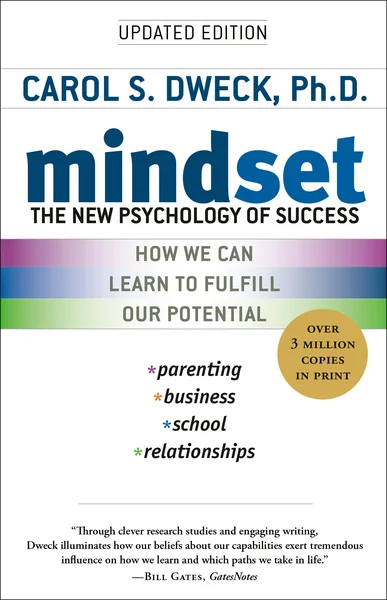
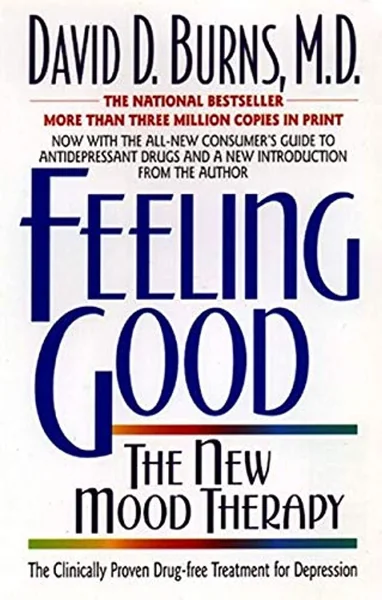
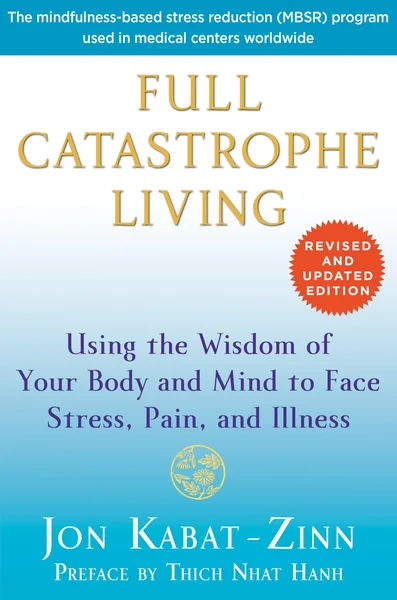
- Readers drawn to this journal's self-reflective, value-driven approach will find strong companions in several nearby titles. Carol S. Dweck's Mindset: The New Psychology of Success shares the journal's focus on reexamining core beliefs and assumptions about growth. For readers interested in evidence-based emotional work, David D. Burns' Feeling Good: Overcome Depression and Anxiety with Proven Techniques offers structured, practical exercises in a similar applied vein. Gretchen Rubin's The Happiness Project One-Sentence Journal: A Five-Year Record is a natural comparison for readers weighing different journaling formats and philosophies. Jon Kabat-Zinn's Full Catastrophe Living offers a deeper, mindfulness-based framework for those who want to complement Manson's acceptance-oriented philosophy with a more formal practice.
- Who should read this?
- This journal is squarely aimed at existing fans of Mark Manson who have read The Subtle Art of Not Giving a Fck — and ideally Everything Is Fcked — and want to move from reading his philosophy to actively applying it to their own values, emotions, and priorities. It will particularly resonate with readers who found the source book intellectually compelling but wanted a more hands-on, personal framework for working through its ideas. Those who thrive on flexible, non-prescriptive formats and respond to Manson's direct, irreverent voice will get the most from it. Readers new to Manson, or those seeking new arguments and ideas from him rather than a reflective tool, are not the intended audience.
- About Mark Manson
- Mark Manson is an American self-help author and blogger.
- How does it compare to the original book?
- Where The Subtle Art of Not Giving a F*ck presents Manson's counterintuitive self-improvement philosophy as argument and narrative, this journal is an entirely different format: interactive, writable, and structured around application rather than reading. The five sections mirror the source book's thematic arc, but the content here is guided prompts, writing exercises, and space for extended personal reflection — not new ideas or expanded arguments. The journal retains Manson's distinctive voice and explicitly resists generic wellness-speak, but it offers nothing for readers seeking intellectual depth beyond what the original already delivered.
- What's the journal's format like?
- The journal is structured into five thematic sections that mirror the arc of The Subtle Art of Not Giving a F*ck, providing coherent scaffolding without imposing a rigid schedule. Manson's promotional framing makes the design philosophy explicit: it 'isn't a once a day or once a week thing — you can use it any time, or not, leave it and come back.' Hundreds of prompts and writing exercises are accompanied by color images throughout the interior, and ample space is provided for extended reflection. That deliberate flexibility aligns the format with the source book's anti-perfectionism ethos, though it also means minimal built-in accountability for readers who need structured progression.
Summarize this book
Follow up
Synthesized from verified book data & published reviews · How we review
What would you like to know about The Subtle Art of Not Giving a F*ck Journal?
Answers come from our editorial notes on this book. If we haven't covered something, we'll say so.
Readers often ask
Our Review
We review the evidence: published critics, reader verdicts and BookTube reviews, gathered and weighed with AI assistance and edited by LuvemBooks, rather than one reader's first-hand take.
What This Journal Actually Is
The Source Material and Manson's Standing
Structure, Design Intent, and Flexibility
Genuine Strengths and Who Benefits Most
Limitations and Realistic Expectations
Sources & Further Reading
The key facts and claims in this review are grounded in the retrieved, verified sources listed below.
- Cited in this review
- 1
- 2
- 3
- Further reading
- 4
Mark Manson, LuvemBooks
- 5
- 6
- 7
- 8
- 9
- 10
Age & Reading Level
Recommended age
Adult
who it suits
Skip if you're looking for new ideas or intellectual expansion from Mark Manson rather than a reflective application tool.
Reader reviews
Be one of the first readers to answer.
Read it? Was it right for you?
Books like The Subtle Art of Not Giving a F*ck Journal
Curated picks for readers who enjoyed The Subtle Art of Not Giving a F*ck Journal, with our reasoning for each match.
More by Mark Manson
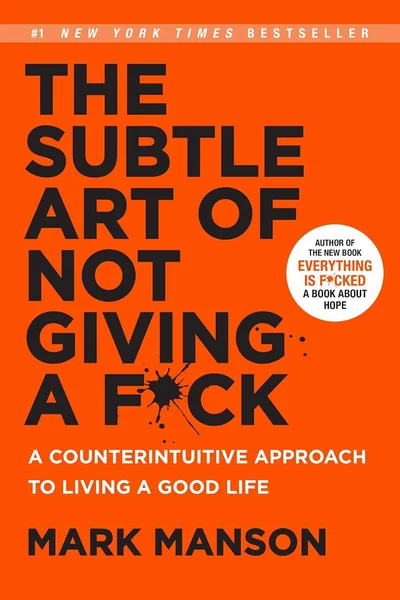

If you liked The Subtle Art of Not Giving a F*ck Journal
Related News
Mark Manson's 'Subtle Art' Dominates Kindle Chart Nine Weeks Running
Mashable reports The Subtle Art of Not Giving a F*ck has spent nine weeks on Amazon Kindle's Most Read chart in 2026, spotlighting the companion journal.
Jul 3, 2026
Mark Manson Launches AI App to Fill Mental Health Chatbot Gaps
Self-help author Mark Manson has co-founded Purpose, an AI coaching app designed to deliver practical life advice while avoiding the pitfalls that plague existing mental health chatbots. The launch co
Mar 22, 2026