8 min read
4.4
· 151 Amazon ratingsShare This Review
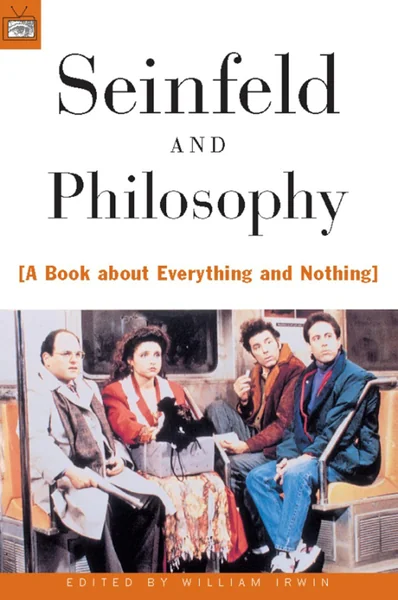
Seinfeld and Philosophy: A Book about Everything and Nothing by William Irwin Review: A Sharp, Accessible Philosophical Companion
Edited by William Irwin and published by Open Court in 1999 as part of the Popular Culture and Philosophy series, this essay collection uses the characters and situations of Seinfeld to introduce readers to enduring philosophical questions — covering Socratic ethics, Aristotelian virtue, Kierkegaardian stages, and everyday moral dilemmas through the lens of one of television's most iconic sitcoms.
LuvemBooks Verdict
Best for
Seinfeld fans with a curiosity about philosophy — or philosophy students looking for a genuinely entertaining entry point — who want to encounter Aristotle, Kierkegaard, and de Beauvoir through the characters and situations they already know by heart.
Worth it if
Worth reading if you want an accessible, multi-voiced introduction to canonical philosophy that meets you where you are, using the show's plots as worked examples rather than mere decoration.
Skip if
Skip it if you're after a single, sustained philosophical argument about Seinfeld as a cultural object, comprehensive coverage of the show's full run, or engagement with theoretical frameworks developed after 1999.
What readers & critics say
Wikipedia credits William Irwin with originating the "philosophy and popular culture" book genre with this 1999 volume, establishing the template for the entire Popular Culture and Philosophy series that followed. PhilPapers records formal academic engagement with the book, including a published review in the International Journal for the Semiotics of Law, suggesting it found an audience beyond casual pop-culture readers.
Sources: Wikipedia (William Irwin), PhilPapersAsk LuvemBooks
Was this helpful?
- Is it worth reading?
- For readers who want an accessible but intellectually honest introduction to philosophy, Seinfeld and Philosophy is genuinely worth the time. It does not soft-pedal the thinkers it covers — asking whether Elaine's choices align with de Beauvoir's framework or whether George's 'opposite' strategy constitutes a rational response to consistent failure are questions with real stakes in moral and practical philosophy, not rhetorical softballs. The multi-contributor model brings a range of scholarly voices to a single subject, and the four-act structure provides multiple entry points. The caveat is for readers seeking a unified thesis: because the essays are self-contained, the book builds no single overarching argument, and its theoretical frameworks have not been updated since 1999.
- Similar books
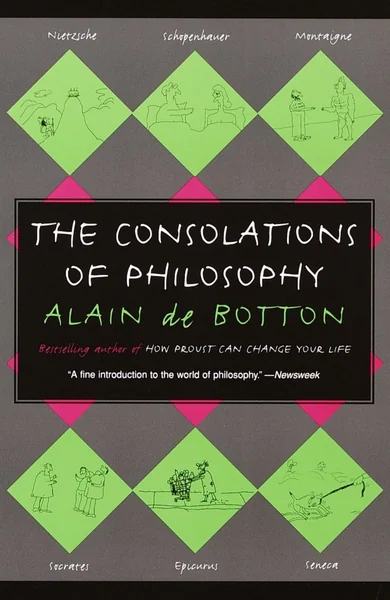
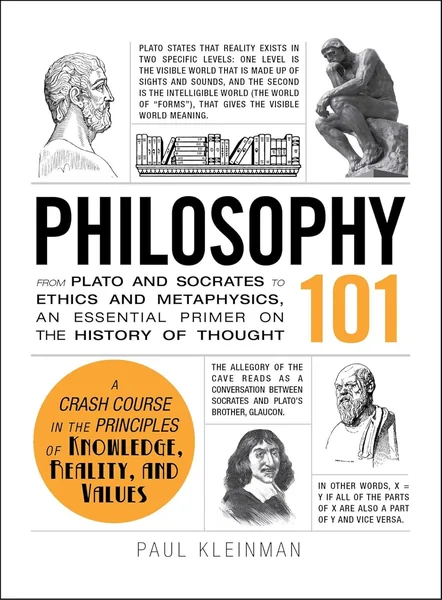
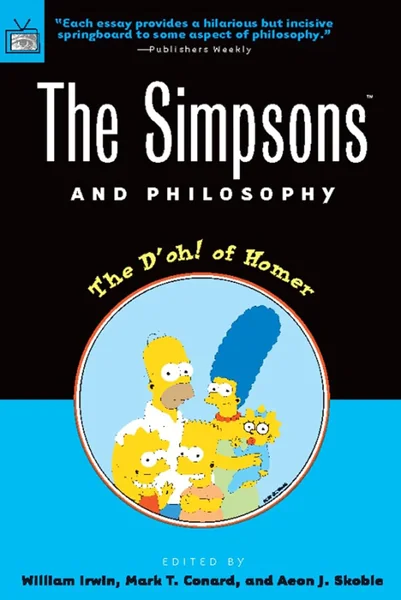
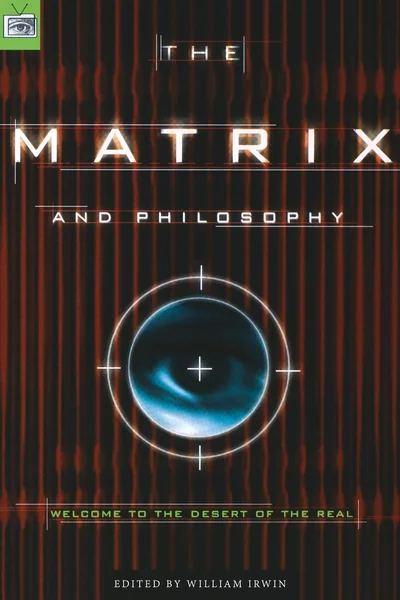
- Readers who enjoy Seinfeld and Philosophy have several strong options nearby. William Irwin's own The Simpsons and Philosophy: The D'oh! of Homer and The Matrix and Philosophy apply the same Popular Culture and Philosophy methodology to different cultural texts and are natural companions. For a more narrative approach to making philosophy accessible, Alain de Botton's The Consolations of Philosophy and Jostein Gaarder's Sophie's World are widely recommended gateway texts. Paul Kleinman's Philosophy 101 offers a more structured survey introduction, while Robert Pantano's The Art of Living a Meaningless Existence explores existentialist themes in a similarly accessible register.
- Who should read this?
- Seinfeld and Philosophy is well suited to two distinct audiences: complete newcomers to philosophy who want an accessible entry point through familiar pop-cultural material, and seasoned philosophy readers who enjoy seeing canonical figures like Aristotle, Kierkegaard, de Beauvoir, Nietzsche, and Plato applied in an unexpected context. It works equally well as a casual standalone read or as a companion text for an introductory philosophy course. Readers who want a single sustained philosophical argument, comprehensive coverage of Seinfeld's full nine seasons, or engagement with post-1999 theoretical frameworks will find the book's scope and methodology limiting.
- About William Irwin
- William Irwin is Professor of Philosophy at King's College in Wilkes-Barre, Pennsylvania. He is best known for originating the 'philosophy and popular culture' book genre with Seinfeld and Philosophy: A Book about Everything and Nothing in 1999 and The Simpsons and Philosophy: The D'oh! of Homer in 2001.
- What are the main philosophical themes?
- The book covers a wide range of canonical philosophical territory. In ethics and the good life, it explores Socratic self-examination through Jerry Seinfeld, Aristotelian eudaimonia and virtue through George Costanza's failures, and virtue ethics in the context of television more broadly. De Beauvoir's feminist philosophy is applied to Elaine Benes, while Kierkegaard's stages on life's way — with Kramer positioned permanently in the aesthetic stage — anchor the existentialist strand. The Plato-versus-Nietzsche essay on eternal recurrence and time extends the book into metaphysics, and Act Four's focus on everyday moral dilemmas addresses practical ethics through the show's plots, including the rationality of George's 'do the opposite' strategy.
- How does this compare to Irwin's other books?
- Seinfeld and Philosophy holds a particular place among Irwin's work as the book that originated the 'philosophy and popular culture' genre — it came first, in 1999, and established the methodology that The Simpsons and Philosophy (2001) and The Matrix and Philosophy would follow. All three use the same multi-contributor essay format and the same premise that a mass-market cultural text is a legitimate site for serious philosophical inquiry. The Seinfeld volume is distinguished by the fact that Irwin himself contributed two essays — one on Jerry and Socrates, one mapping Kramer onto Kierkegaard — giving it a slightly more personal editorial voice than a purely curated anthology.
Summarize this book
Follow up
Synthesized from verified book data & published reviews · How we review
Press Enter to ask. Answers come from our editorial Q&A — start typing to see related questions.
Age & Reading Level
Recommended age
Adult
Reading level
Adult
who it suits
Skip if you want a single sustained philosophical argument rather than a curated collection of independent essays
Our Review
What the Book Actually Is
The Structure and Its Arguments
Significance and Place in the Genre
Genuine Strengths
Limitations and Who May Be Frustrated
Sources & Further Reading
The key facts and claims in this review are grounded in the retrieved, verified sources listed below.
- Cited in this review
- 1
- 2
searchworks.stanford.edu
- Further reading
- 3
William Irwin, Wikipedia
- 4
- 5
- 6
- 7
- 8
- 9
Books like Seinfeld and Philosophy
Curated picks for readers who enjoyed Seinfeld and Philosophy, with our reasoning for each match.
If you liked Seinfeld and Philosophy