At a glance

LuvemBooks Verdict
Best for: Readers new to spiritually grounded self-help who want a concise, plain-language framework for re-examining their internal belief systems and habitual patterns of thought — especially those drawn to wisdom-tradition literature or who have encountered the four agreements in popular culture and want to engage with the source text.
Worth it? Skip it? Read the full verdict →Ask LuvemBooks
Was this helpful?
- Is it worth reading?
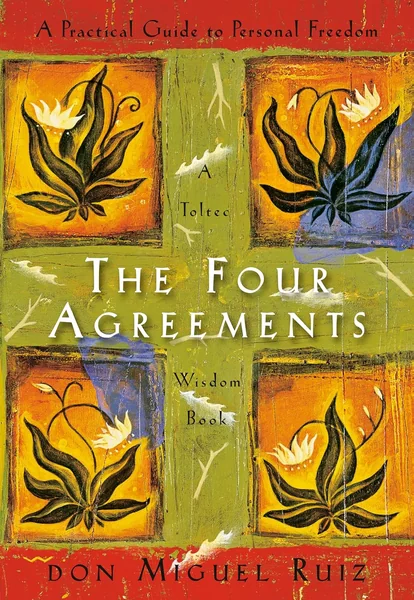
- For readers drawn to concise, spiritually grounded self-help, The Four Agreements has a documented record of exceptional and sustained resonance — over 15 million copies sold in the United States, a decade-plus run on the New York Times bestseller list, and endorsements from Oprah Winfrey, Deepak Chopra, and Wayne Dyer. Its plain-language framework and compact structure make it particularly valuable as an accessible entry point for those new to wisdom-tradition literature or looking to re-examine habitual patterns of thought. The important caveat is that the Toltec framing is Ruiz's own interpretive tradition rather than an academically verified account, and readers seeking evidence-based or step-by-step practical guidance may find the four principles more useful as orienting philosophy than as actionable daily instruction.
- Similar books
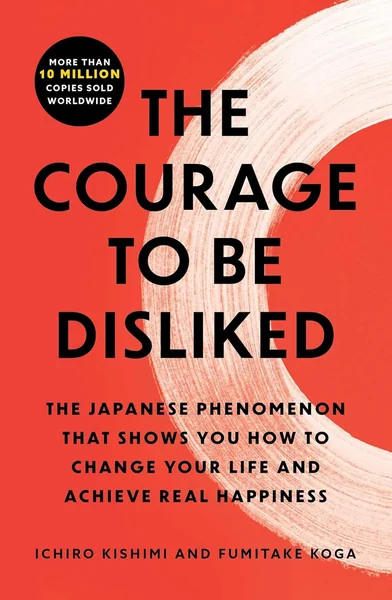
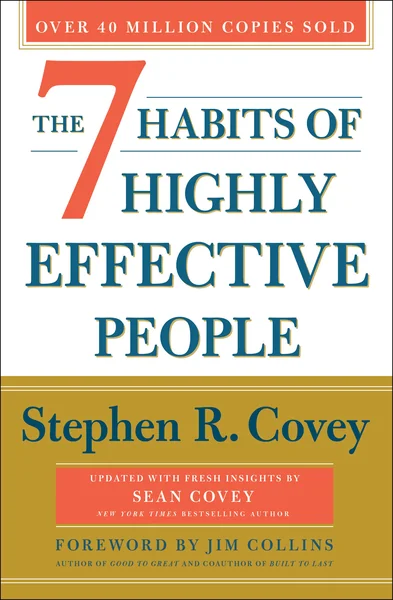
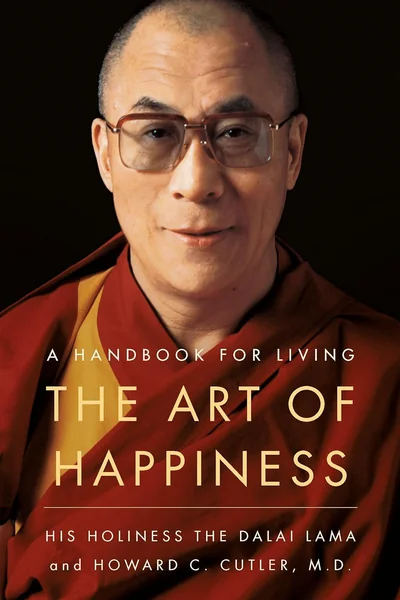
- Readers who connect with The Four Agreements often gravitate toward books that combine philosophical depth with personal transformation. The Courage to Be Disliked by Ichiro Kishimi and Fumitake Koga explores Adlerian psychology through dialogue in a way that parallels Ruiz's challenge to internalized social conditioning. The Art of Happiness: A Handbook for Living by the Dalai Lama offers a similarly accessible, wisdom-tradition approach to reframing suffering and pursuing inner freedom. For readers who want more structured habit-building alongside the philosophical grounding, The 7 Habits of Highly Effective People by Stephen R. Covey provides a principle-centered framework with greater procedural depth. Daring Greatly by Brené Brown addresses vulnerability and self-limiting beliefs from a research-backed perspective, while A Simpler Life by The School of Life shares the compact, philosophy-meets-daily-life format that makes Ruiz's book so approachable.
- Who should read this?
- The Four Agreements is best suited to readers seeking a concise, spiritually grounded introduction to re-examining their internal belief systems and habitual patterns of thought. Its plain-language approach and compact structure make it an accessible entry point for those new to self-help or to wisdom-tradition literature. It also rewards readers who have encountered the four agreements in popular culture — through Oprah Winfrey's endorsement, for instance — and want to engage with the source text. Readers building a personal development library around spiritual frameworks, or those who found value in books like The Art of Happiness or The Courage to Be Disliked, are likely to find it similarly resonant.
- About Don Miguel Ruiz
- Miguel Ángel Ruiz Macías, better known as Don Miguel Ruiz, is a Mexican author of Toltec spiritual and personal development texts.
- What are the main criticisms?
- The two most consistent criticisms of The Four Agreements are the high-level nature of its principles and the contested status of its Toltec framing. The four agreements — while memorable and broadly appealing — do not offer the granular psychological scaffolding or step-by-step guidance that readers accustomed to evidence-based self-help may expect; many find them more useful as orienting philosophy than as actionable daily instruction. On the framing side, Wikipedia flags the book's claim to be based on Toltec teachings as needing better sourcing, and the cosmological concepts Ruiz employs — "the Dream of the Planet," "domestication" — are his own interpretive tradition rather than an academically verified account of Toltec culture.
- What is the book's cultural impact?
- The Four Agreements occupies a rare position in the self-help genre: it spent two years on the Publishers Weekly bestseller list and over a decade on the New York Times bestseller list, has sold approximately 15 million copies in the United States alone, and is available in 53 languages. Its breakthrough into mainstream culture is largely attributed to Oprah Winfrey's endorsement on The Oprah Winfrey Show in 2001, with renewed momentum when it was featured on Super Soul Sunday in 2013. Beyond Winfrey, it earned praise from Deepak Chopra, who called it "a roadmap to enlightenment and freedom," and Wayne Dyer, who described it as "an inspiring book with many great lessons." Dan Millman situated Ruiz in the tradition of Carlos Castaneda, noting that Ruiz "distills essential Toltec wisdom" for modern readers.
Summarize this book
Follow up
Synthesized from verified book data & published reviews · How we review
Press Enter to ask. Answers come from our editorial Q&A — start typing to see related questions.
Age & Reading Level
Recommended age
Adult
Reading level
Adult
who it suits
Skip if you're looking for evidence-based, step-by-step practical guidance rather than a spiritually framed philosophical framework.
Editorial Review
Don Miguel Ruiz's The Four Agreements: A Practical Guide to Personal Freedom is a self-help book grounded in Toltec teachings that distills a four-part code of conduct — be impeccable with your word, don't take anything personally, don't make assumptions, and always do your best — into a compact guide designed to help readers dismantle self-limiting beliefs and pursue what Ruiz frames as freedom, happiness, and love. Published in 1997 by Amber-Allen Publishing, it spent over a decade on The New York Times bestseller list and has sold approximately 15 million copies in the United States alone, reaching readers in 53 languages.…
Read the Full ReviewBooks like The Four Agreements
Curated picks for readers who enjoyed The Four Agreements, with our reasoning for each match.
If you liked The Four Agreements