At a glance

LuvemBooks Verdict
Best for: General readers who want a philosophically rigorous yet personally grounded entry point into Stoicism as a lived practice, backed by real scholarly credentials rather than self-help approximations.
Worth it? Skip it? Read the full verdict →Ask LuvemBooks
Was this helpful?
- Is it worth reading?
- For readers curious about Stoicism as a practical philosophy rather than an academic subject, How to Be a Stoic is one of the more credible entry points available — written by Massimo Pigliucci, the K. D. Irani Professor of Philosophy at CUNY, it carries genuine scholarly authority that most popular philosophy titles lack. Donald J. Robertson, author of How to Think Like a Roman Emperor, called it "lucid, engaging, and persuasive" and praised it as "a fine primer for the aspiring Marcus Aurelius." The key caveat is selectivity: certain technical dimensions of Stoic philosophy, and topics such as Stoic views on sexuality and passion, are not addressed, so readers wanting an exhaustive treatment of the tradition will need to look further.
- Similar books
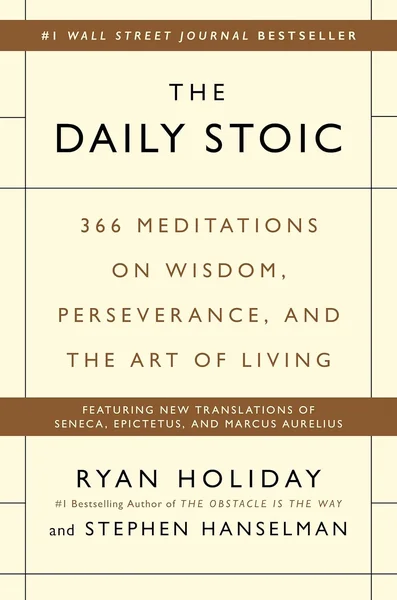
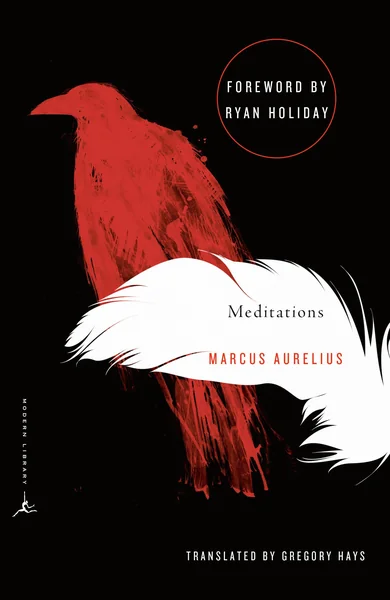
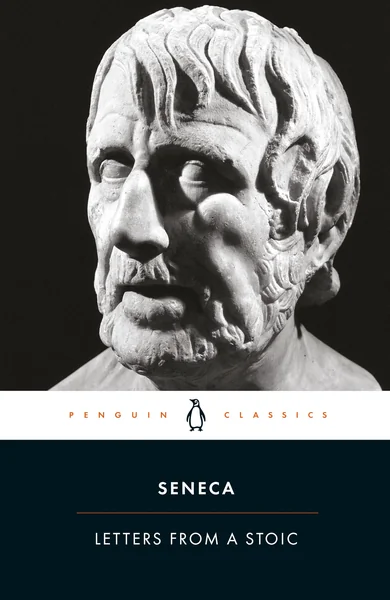
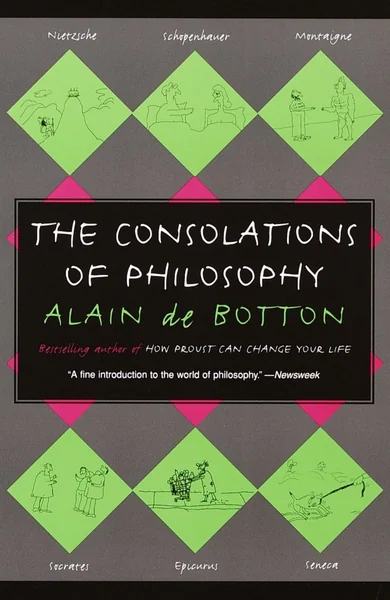
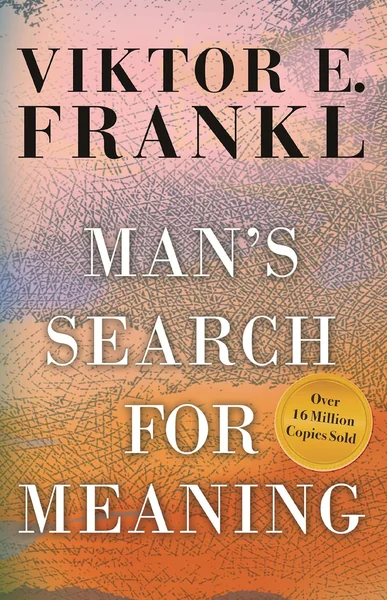
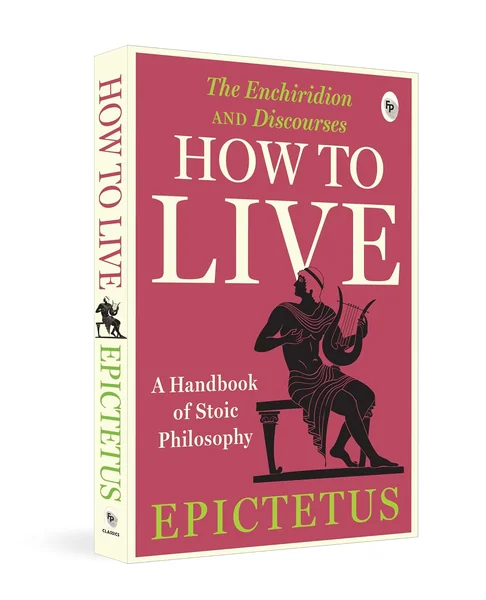
- Readers who enjoy How to Be a Stoic often turn to the primary sources Pigliucci draws on: Marcus Aurelius's Meditations is the most read Stoic text in the canon, and Seneca's Letters from a Stoic offers another accessible entry into the tradition. Ryan Holiday and Stephen Hanselman's The Daily Stoic provides a more devotional, day-by-day format for engaging with Stoic thought. For philosophy made accessible to general readers without a self-help frame, Alain de Botton's The Consolations of Philosophy and Viktor E. Frankl's Man's Search for Meaning both explore how ancient and modern philosophical frameworks can guide a meaningful life.
- Who should read this?
- How to Be a Stoic is best suited to general readers who want philosophy as a practical tool for everyday life and who are willing to engage with some conceptual rigour — it is written by an academic philosopher, not a self-help generalist. It will particularly appeal to readers who are sceptical of purely motivational self-improvement books and want their reading grounded in an actual intellectual tradition. Those already familiar with the ancient texts or looking for an exhaustive scholarly treatment of Stoic metaphysics may find the conversational approach too selective, and readers hoping for discussion of Stoic views on sexuality and passion will need to look elsewhere.
- Does it correct common myths about Stoicism?
- One of the book's most deliberate aims is dismantling the popular image of Stoicism as cold, joyless, and emotionally repressive. As The Philosophers' Magazine noted in its coverage, Stoicism carries a reputation for being "cold and callous" — a caricature Pigliucci pushes back against directly, presenting instead what the same source describes as "a more nuanced interpretation" that affirms friendship, love of relatives, and, in Pigliucci's own words, a philosophy that "was very much a philosophy of social engagement and encouraged love for all humankind and Nature as well." The book is explicit that Stoics are asked to distinguish what they can and cannot govern — not to cultivate emotional numbness.
- Is the author a real philosopher or a self-help writer?
- Pigliucci is unambiguously a credentialed academic philosopher — he holds the K. D. Irani Professor of Philosophy chair at the City College of New York and has authored or edited sixteen books. His work has appeared in the New York Times, Wall Street Journal, Washington Post, and Salon, and he has written about philosophy's relevance to everyday life for years, including through his blog "Footnotes to Plato," hosted by The Philosophers' Magazine. The review notes that this pedigree matters: the book is not a self-help writer borrowing philosophical window dressing, but a practising philosopher making an earnest case for a tradition he has personally adopted.
- What does the book leave out?
- The book's conversational, practical focus means certain technical dimensions of Stoic philosophy receive less coverage — readers seeking deep scholarly treatment of Stoic metaphysics or a full survey of the ancient sources may find the treatment deliberately selective. The Philosophers' Magazine specifically noted that Stoic views on sexuality and passion are not addressed, leaving some aspects of the tradition's scope unexplored. What the book offers in their place is a coherent, well-argued entry point into Stoic ethics and practice designed, as the publisher frames it, to demonstrate that "whoever we are, Stoicism has something for us."
Summarize this book
Follow up
Synthesized from verified book data & published reviews · How we review
Press Enter to ask. Answers come from our editorial Q&A — start typing to see related questions.
Age & Reading Level
Recommended age
Adult
Reading level
Adult
who it suits
Skip if you want a comprehensive scholarly treatment of Stoic metaphysics or engagement with Stoic views on sexuality and passion.
Editorial Review
How to Be a Stoic: Using Ancient Philosophy to Live a Modern Life by Massimo Pigliucci (Basic Books) is a rigorous yet accessible self-help philosophy book that channels the ancient Stoic tradition — particularly the teachings of Epictetus — into a framework for contemporary living, written by a professional philosopher who brings both academic depth and personal conviction to the subject.
Read the Full ReviewBooks like How to Be a Stoic
Curated picks for readers who enjoyed How to Be a Stoic, with our reasoning for each match.
If you liked How to Be a Stoic