
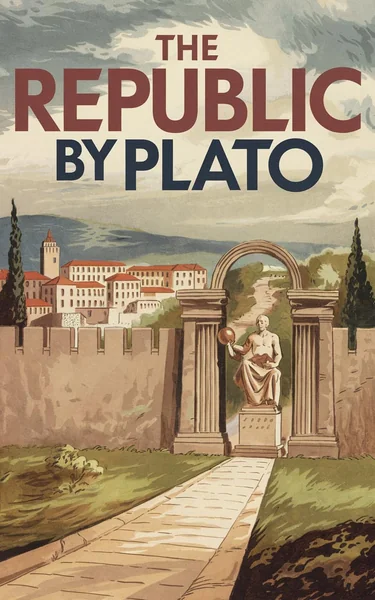
The Republic: A Timeless Classic on Justice, Morality
by Plato
At a glance
LuvemBooks Verdict
Best for: Curious general readers and students who want an accessible digital entry point into one of philosophy's foundational texts — particularly those drawn to enduring questions about justice, happiness, and how society should be ordered.
Worth it? Skip it? Read the full verdict →Ask LuvemBooks
Was this helpful?
- Is it worth reading?
- For anyone genuinely curious about justice, the good life, and the ordering of society, the Republic is essential reading — not as historical artifact but as a living argument, with its core claims continuing to generate serious, divergent scholarly engagement rather than settled consensus. The dialectical structure rewards patience: the argument accumulates across ten books, and the payoff is access to one of philosophy's most consequential and contested positions. The Grapevine Kindle edition is accessible and digitally navigable, though readers who want scholarly rigour should note the unspecified translation.
- Similar books
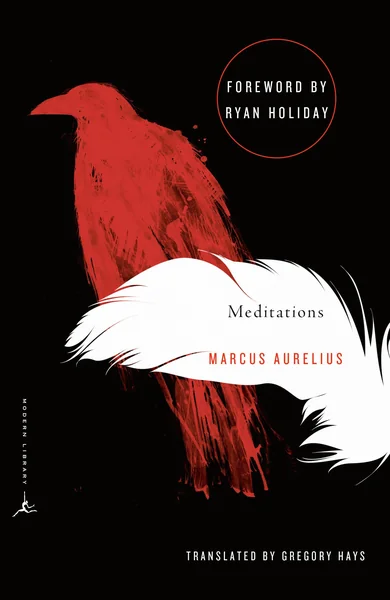
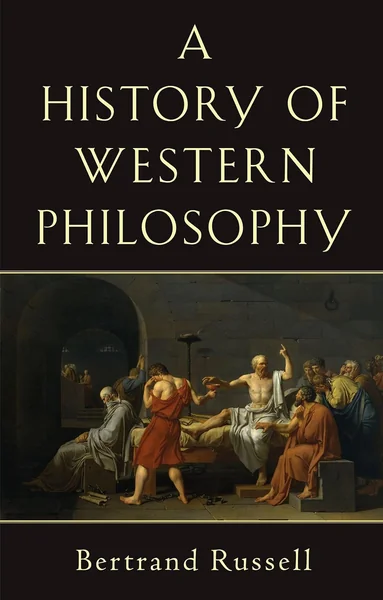
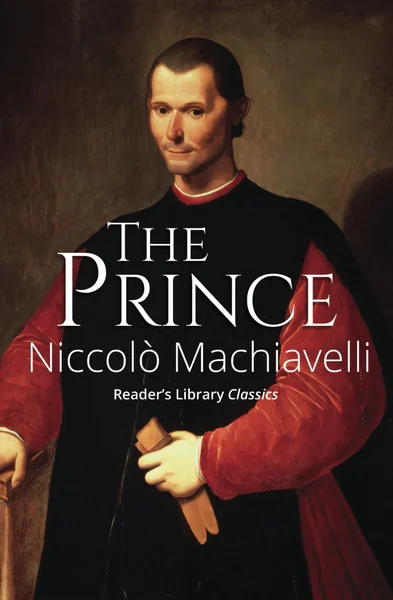
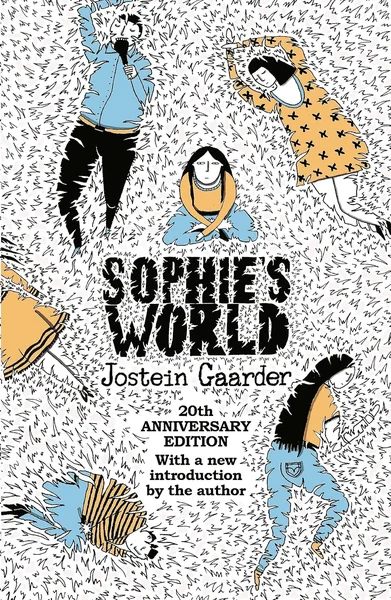
- Readers drawn to the Republic's intersection of ethics and political philosophy will find natural companions in Niccolò Machiavelli's The Prince — a contrasting vision of political power available in the LuvemBooks catalogue — and Marcus Aurelius's Meditations, which brings Stoic practical philosophy to bear on questions of virtue and the good life. Bertrand Russell's The History of Western Philosophy offers essential context for situating Plato within the broader tradition, while Sophie's World by J. Gaarder provides an accessible narrative introduction to the history of philosophy for readers newer to the field. Plato's own Meno, though not currently in the catalogue, offers a shorter earlier dialogue that pairs naturally with the Republic's treatment of virtue.
- Who should read this?
- The Republic is essential for students of philosophy, political theory, and ethics, but its questions — what is justice, what makes a life worth living, how should a society be ordered — remain permanently alive for any intellectually curious adult reader. The Grapevine Kindle edition's digital navigation features make it particularly well-suited to general readers and students engaging with the text outside a formal academic setting. Scholars requiring a rigorously annotated or critically established text will likely supplement this edition with a scholarly translation and commentary.
- About Plato
- Born in ancient Athens around 428 BC, Plato stands as one of history's most influential philosophers — a student of Socrates whose ideas would shape Western thought for millennia.
- Why is this book trending?
- The Republic is experiencing a resurgence as political debates about democracy, justice, and who should hold power dominate the news cycle — readers are returning to Plato's foundational text for historical perspective on questions that feel urgently contemporary. The book's sustained inquiry into the nature of democracy, its account of how cities decline from the best constitution through oligarchy and tyranny, and Socrates' challenge to define justice beyond mere self-interest all resonate with readers seeking a deeper framework for understanding current events.
- What are the main themes?
- The Republic's central themes are justice, happiness (eudaimonia), and the relationship between the well-ordered soul and the well-ordered city. Through the analogy between the just city and the just individual, Socrates also develops sustained arguments about knowledge and the Theory of Forms, the proper education of citizens and rulers, the critique of poetry and imitation, and the nature of political decline across five constitutional types. The myth of Er extends the argument into eschatology, raising questions of divine justice and personal responsibility.
- What are philosopher-kings?
- In the Republic, philosopher-kings are the rulers of Socrates' ideal city — those rare individuals whose reason has been trained through decades of mathematical and philosophical education to grasp the Form of the Good. Because their knowledge is genuine rather than mere opinion, Socrates argues they alone are fit to govern: they rule not from ambition or appetite but because justice and reason require it. The political theory functions in the Republic primarily as a vehicle for the moral argument — the ideal city is a lens for understanding psychic order, not a literal blueprint for governance.
Summarize this book
Follow up
Synthesized from verified book data & published reviews · How we review
Press Enter to ask. Answers come from our editorial Q&A — start typing to see related questions.
Age & Reading Level
Recommended age
Adult
Reading level
Adult
who it suits
Skip if you want a straightforward, linear argument rather than a long, branching Socratic dialogue that demands sustained philosophical patience
Editorial Review
Plato's Republic remains one of Western philosophy's most consequential works, conducting its inquiry into justice, the ideal city, and the well-ordered soul through the voice of Socrates in extended dialogue. Published in this Grapevine Kindle edition, it continues to anchor curricula and shape debate across philosophy, political theory, and ethics millennia after its composition.
Read the Full ReviewBooks like The Republic
Curated picks for readers who enjoyed The Republic, with our reasoning for each match.
If you liked The Republic
Why It’s Trending
Plato's Republic Seeing Renewed Reader Interest Amid Ongoing Debates About Justice and Political Order
With political and ethical debates dominating public conversation in 2026, readers are turning back to Plato's Republic for its foundational take on justice, governance, and morality. It's one of those books that never really goes away — it just gets more relevant depending on the moment.