Your Money or Your Life: Transforming Your Relationship with Money
by Joe Dominguez, Vicki Robin
At a glance
About the Author
Joe Dominguez, Vicki Robin1 book reviewed
Your Money or Your Life
Transforming Your Relationship with Money
by Joe Dominguez, Vicki Robin
LuvemBooks Verdict
Best for: Readers who suspect their earning and spending habits are out of step with what they genuinely value, and who want a structured, philosophically grounded nine-step framework — not just tactical tips — for diagnosing and reshaping their relationship with money.
Worth it? Skip it? Read the full verdict →Ask LuvemBooks
Was this helpful?
- Is it worth reading?
- For readers who sense a misalignment between their financial habits and what they genuinely value, Your Money or Your Life is widely regarded as one of the most substantive personal finance books available. White Coat Investor describes it as "one of the most well-regarded books in the personal finance space," and Grant Sabatier has credited it with helping change the course of his life. Its philosophical depth — grounded in the "life energy" framework and the authors' own lived experience — sets it apart from tactical money guides. The main caveat is that its thoroughness is also its friction: the cent-by-cent tracking requirement and philosophical pace can be demanding for readers seeking fast, actionable tips.
- Similar books
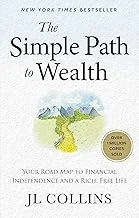
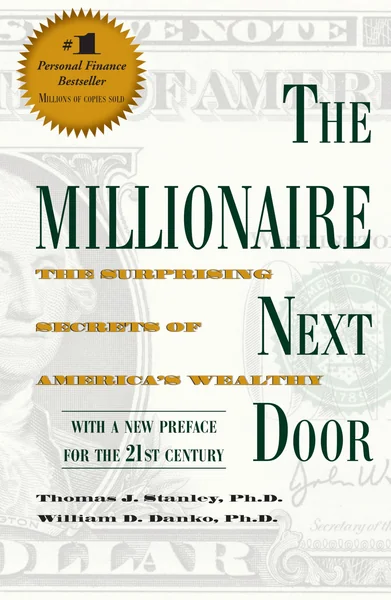
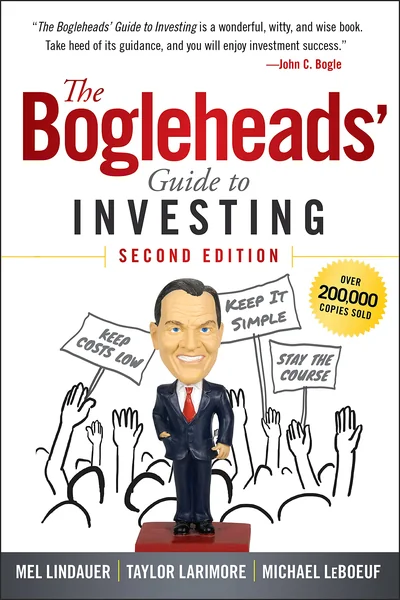
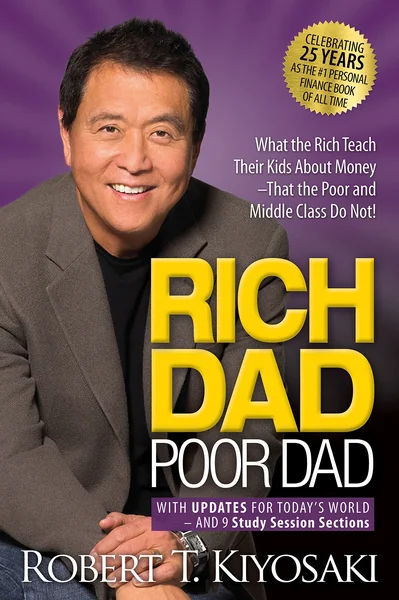
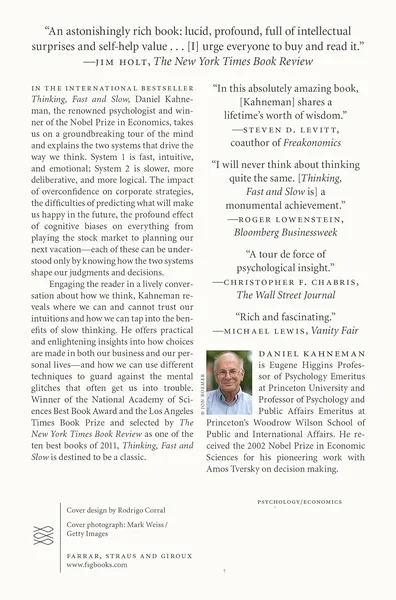
- Readers drawn to Your Money or Your Life often move on to J.L. Collins' The Simple Path to Wealth, which shares the financial independence ethos but focuses more squarely on low-cost index investing. Thomas J. Stanley and William D. Danko's The Millionaire Next Door offers complementary empirical research into how wealth is actually built and sustained in American households. For readers who want to go deeper on the investment mechanics, The Bogleheads' Guide to Investing by Mel Lindauer, Taylor Larimore, and Michael LeBoeuf is a natural companion. Robert T. Kiyosaki's Rich Dad Poor Dad covers similar ground on reframing money mindsets, and Daniel Kahneman's Thinking, Fast and Slow provides the behavioral psychology underpinning why financial habits are so hard to change.
- Who should read this?
- Your Money or Your Life is most clearly suited to readers who sense that their spending and earning habits are misaligned with what they actually value, and who want a structured, step-by-step framework to diagnose and change that. The FIRE (Financial Independence, Retire Early) community has claimed the book as foundational reading, and Money Magazine has called Vicki Robin "the millennial money whisperer," reflecting how the program has found new audiences across successive generations. It is less a book for readers seeking portfolio optimization or fast tactical wins, and more a book for those willing to commit to a philosophical and behavioral overhaul of their entire relationship with money.
- What are the main themes?
- The central theme is the reframing of money as "life energy" — the finite time and vitality readers trade for income — which repositions every spending decision as a question about what one's life hours are actually worth. From that foundation, the book explores financial self-awareness, the gap between values and spending behavior, the concept of "enough," and the path to financial independence through deliberate living rather than income maximization. A secondary theme is intentionality: the program is not designed to impose austerity but to give readers the tools to arrive at their own conclusions about what a meaningful, authentic life looks like.
- Is this a good book club pick?
- Your Money or Your Life can work well for a book club with an interest in personal finance, intentional living, or the FIRE movement, since its "life energy" framework generates genuine discussion about values, work, and what money is actually for. The nine-step structure gives groups a clear framework to discuss chapter by chapter, and the philosophical questions it raises — such as what constitutes "enough" and whether one's spending reflects one's values — tend to produce personal and varied responses. It is less suited to groups looking for narrative-driven discussion, as the book is methodological and prescriptive in structure rather than story-driven.
- Does the nine-step program actually work?
- The program's credibility rests on a combination of the authors' own lived experience and its long publishing track record. Joe Dominguez retired at age 31 by applying the nine-step method he had formulated for himself, and the book has sold over one and a half million copies across editions — with the 2018 update alone selling nearly half a million. Grant Sabatier, author of Financial Freedom, has credited the book with helping change the course of his life, and White Coat Investor describes it as "one of the most well-regarded books in the personal finance space." Whether the program "works" ultimately depends on a reader's willingness to commit to its most demanding element: the meticulous, real-time tracking of every cent that enters or leaves their finances.
Summarize this book
Follow up
Synthesized from verified book data & published reviews · How we review
Press Enter to ask. Answers come from our editorial Q&A — start typing to see related questions.
Age & Reading Level
Recommended age
Adult
Reading level
Adult
who it suits
Skip if you want fast, tactical financial tips or specific investment strategies rather than a philosophical and behavioral overhaul of your relationship with money.
Editorial Review
Your Money or Your Life is a landmark personal finance book by Joe Dominguez and Vicki Robin that reframes money not as an end in itself but as "life energy" — something readers trade their time and vitality for — and guides them through nine structured steps toward financial independence and a more intentional life.
Read the Full ReviewBooks like Your Money or Your Life
Curated picks for readers who enjoyed Your Money or Your Life, with our reasoning for each match.
If you liked Your Money or Your Life