8 min read
4.7
· 54,420 Amazon ratingsShare This Review
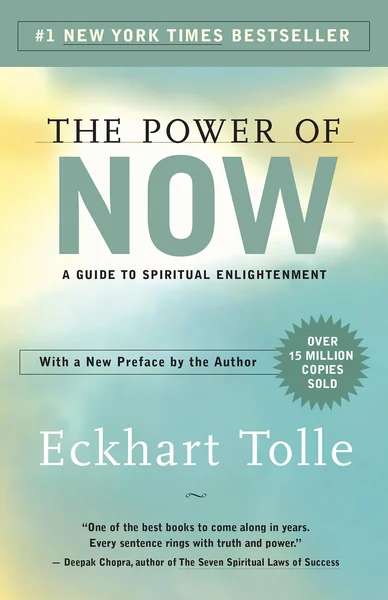
The Power of Now by Eckhart Tolle Review: A Global Spiritual Phenomenon Worth Examining
A self-help and spiritual guide first published in 1997, The Power of Now by Eckhart Tolle has sold 16 million copies worldwide and been translated into 33 languages, building its reputation on one central argument: that human suffering stems from identification with the thinking mind, and that relief lies in anchoring oneself to the present moment. This review covers the book's content, structure, cultural reach, and genuine limitations as documented in published sources — not from hands-on application.
LuvemBooks Verdict
Best for
Readers already open to contemplative or spiritual frameworks — Buddhist, mystical, or broadly non-denominational — who want an accessible, widely discussed entry point into present-moment awareness and the idea that habitual suffering stems from over-identification with thought.
Worth it if
Worth engaging with if you're willing to meet the book on its own experiential, reflective terms rather than expecting a structured, evidence-based self-improvement programme.
Skip if
Skip it if you want empirically grounded mental-health guidance or tightly argued practical instruction — Andrea Sachs in Time magazine specifically called it "awash in spiritual mumbo jumbo" and "unhelpful for those looking for practical advice."
What readers & critics say
Wikipedia's coverage of the book records that one reviewer described it as "Buddhism mixed with mysticism and a few references to Jesus Christ, a sort of New Age re-working of Zen," and notes that its core message — that emotional problems are rooted in identification with the mind — has driven 16 million copies sold and translations into 33 languages. Spiritualityandpractice.com highlights Tolle's view of relationships as spiritual practice while flagging his broad gender generalisation, noting he believes "the major obstacle for men is the thinking mind and for women, the pain-body."
Sources: Wikipedia – The Power of Now, Spirituality & PracticeAsk LuvemBooks
Was this helpful?
- Is it worth reading?
- For readers open to contemplative and spiritual frameworks, The Power of Now remains one of the most widely discussed entry points into the idea that presence — not analysis — is the path out of habitual suffering. Its 16-million-copy sales record and Oprah Winfrey's endorsement attest to a broad, lasting resonance. However, readers seeking empirically grounded mental-health guidance or a structured, step-by-step self-improvement programme are the most likely to share Time magazine reviewer Andrea Sachs's assessment that the book is 'awash in spiritual mumbo jumbo' and 'unhelpful for those looking for practical advice.' Its value is real, but it is contingent on meeting the book on its own contemplative terms.
- Similar books
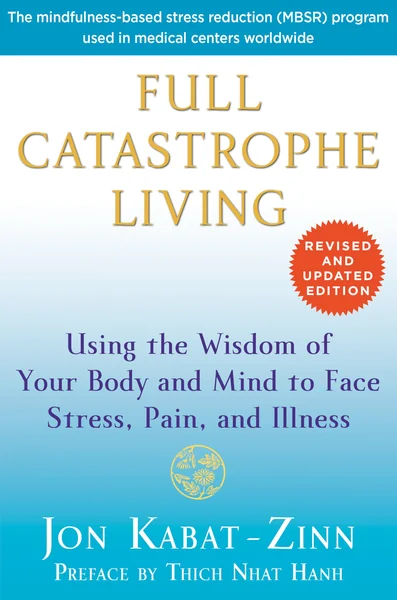
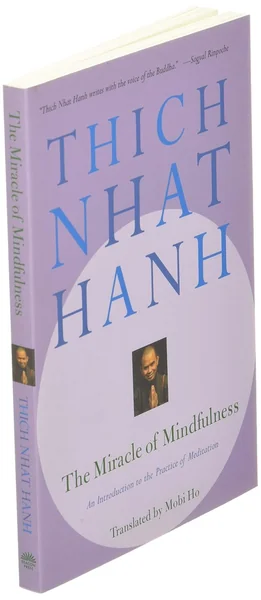
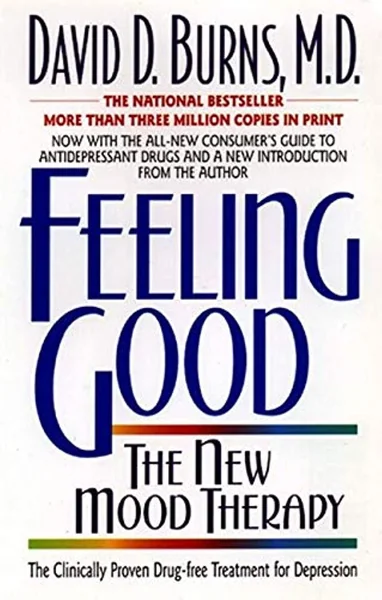
- Readers drawn to The Power of Now often find similar value in Jon Kabat-Zinn's Full Catastrophe Living, which brings a more clinically grounded but still mindfulness-centred approach to stress and wellbeing, and in Thich Nhat Hanh's The Miracle of Mindfulness, another accessible guide to present-moment awareness rooted in Buddhist practice. For those who appreciate Tolle's exploration of the ego, Michael A. Singer's The Untethered Soul covers closely related territory. If the appeal is more broadly about reshaping thought patterns, Carol S. Dweck's Mindset: The New Psychology of Success and David D. Burns's Feeling Good: Overcome Depression and Anxiety with Proven Techniques offer complementary perspectives with a more evidence-based footing.
- Who should read this?
- The Power of Now is best suited to adult readers already sympathetic to contemplative or spiritual frameworks — those open to drawing on Buddhist, mystical, and broadly non-denominational Christian ideas in pursuit of a less anxious inner life. It will particularly reward readers who are encountering Tolle's work for the first time and want an accessible entry point into the idea that identification with the thinking mind is the root of suffering. Readers who want empirically grounded mental-health guidance, a tightly argued philosophical text, or a structured step-by-step self-improvement programme will likely find its approach unsatisfying.
- About Eckhart Tolle
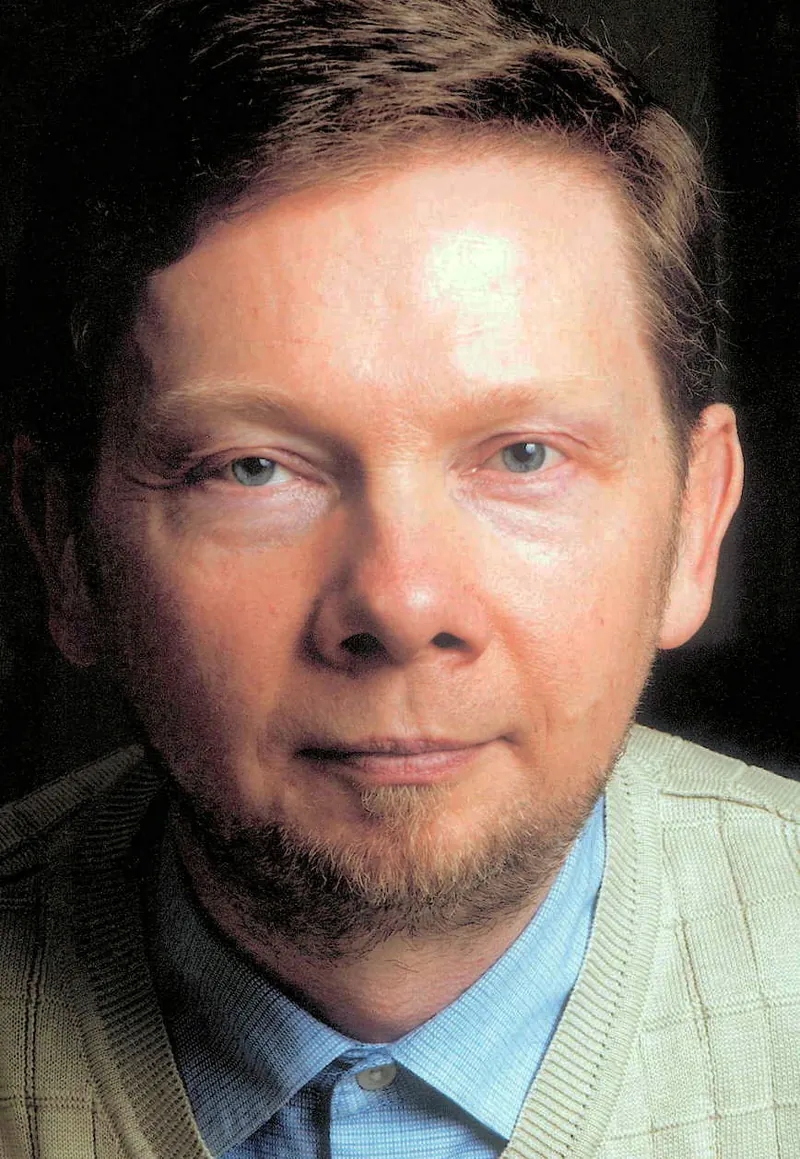
- Eckhart Tolle is a German spiritual teacher and self-help author.
- What are the main themes?
- The book's overarching theme is the liberation that comes from separating one's sense of self from the thinking mind — Tolle argues that people are not their thoughts but rather 'the watcher,' the presence that observes thought. From this foundation, the book explores the nature of consciousness, the concept of the 'pain-body' as accumulated emotional suffering, the role of the inner body in grounding awareness, and what Tolle calls 'enlightened relationships.' Running through all of these is the argument that surrender to the present moment — rather than the mind's compulsive drive to control — is the central act of spiritual practice.
- Where should I start with Tolle?
- The Power of Now is universally regarded as the starting point for readers new to Eckhart Tolle's work — it introduces the foundational framework, the distinction between self and thinking mind, that he extended in all his subsequent writing. Once readers have engaged with its core ideas, the natural next step is A New Earth: Awakening to Your Life's Purpose, which builds directly on the concepts of ego and present-moment awareness established here.
Summarize this book
Follow up
Synthesized from verified book data & published reviews · How we review
Press Enter to ask. Answers come from our editorial Q&A — start typing to see related questions.
Age & Reading Level
Recommended age
Adult
Reading level
Adult
who it suits
Skip if you want empirically grounded mental-health guidance or a structured, step-by-step self-improvement programme.
Our Review
What the Book Actually Is and Argues
Cultural Reach and Significance
What the Book Does Well
Where the Book Falls Short
Who This Book Is For
Sources & Further Reading
The key facts and claims in this review are grounded in the retrieved, verified sources listed below.
- Cited in this review
- 1
- 2
en.wikipedia.org
- Further reading
- 3
Eckhart Tolle, Wikipedia
- 4
dn790003.ca.archive.org
- 5
- 6
spiritualityandpractice.com
Books like The Power of Now
Curated picks for readers who enjoyed The Power of Now, with our reasoning for each match.
If you liked The Power of Now