At a glance
The Wealth of Nations
by Adam Smith
LuvemBooks Verdict
Best for: Students of economics, political philosophy, or intellectual history who want to engage with the original primary text — unmediated, in full — rather than a summary or secondary account of Smith's ideas.
Worth it? Skip it? Read the full verdict →Ask LuvemBooks
Was this helpful?
- Is it worth reading?
- For scholars, students of economics, political philosophy, or intellectual history, The Wealth of Nations is indispensable — it is the original source from which every subsequent debate about free markets, the role of the state, labour theory, and trade policy traces back. Encyclopaedia Britannica describes it as 'the first formulation of a comprehensive system of political economy', and that foundational status is not a marketing claim. The key caveat is accessibility: the eighteenth-century prose is dense and digressive, and Robert Southey's 1812 characterisation of the book as 'tedious' captures a real quality of the text that modern general readers should be prepared for. Those who want a quick overview of Smith's ideas may find a secondary source more approachable, but for those who want the real thing unmediated, there is no substitute.
- Similar books
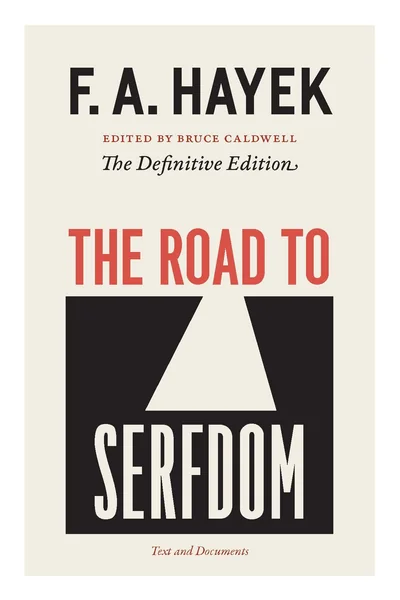
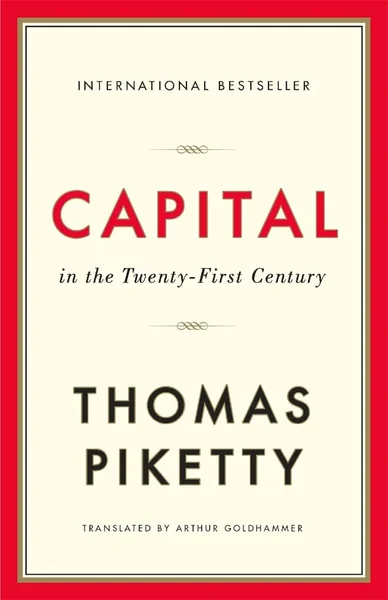
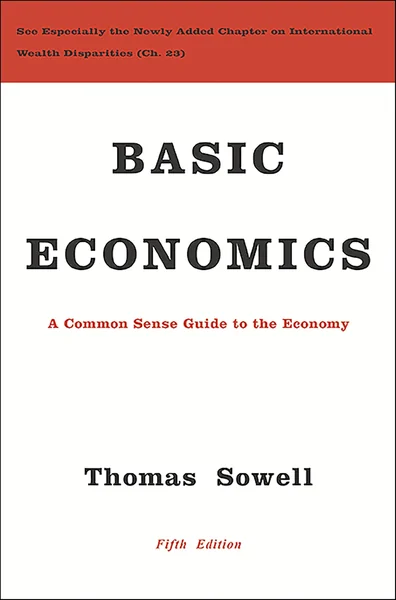
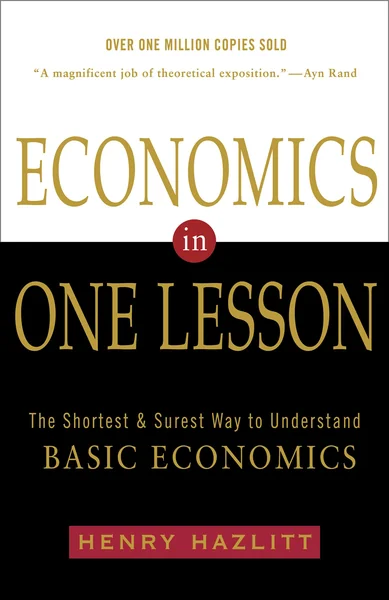
- Readers drawn to The Wealth of Nations will find strong companions in several classic works of economic and political thought. F. A. Hayek's The Road to Serfdom extends the tradition of free-market argument into the twentieth century, while Henry Hazlitt's Economics in One Lesson offers a more accessible distillation of market-economics principles. Thomas Piketty's Capital in the Twenty-First Century provides a contemporary counterpoint on wealth and inequality that engages directly with Smith's legacy, and Thomas Sowell's Basic Economics covers foundational economic ideas in a modern, accessible register. Adam Smith's own earlier work, The Theory of Moral Sentiments, offers essential context for the ethical philosophy underpinning his economic arguments.
- Who should read this?
- The Wealth of Nations is the essential primary text for students of economics, political philosophy, and intellectual history. Advanced and scholarly readers will find it repays close study precisely because it is the original source: every subsequent debate about free markets, the role of the state, labour theory, and trade policy traces back, in some form, to Smith's arguments. General readers with a serious interest in how the modern economic world came to be will also find it rewarding, provided they approach it with patience for its eighteenth-century scope and style. Those seeking a quick or casual introduction to economic ideas would be better served by a modern secondary work.
- About Adam Smith
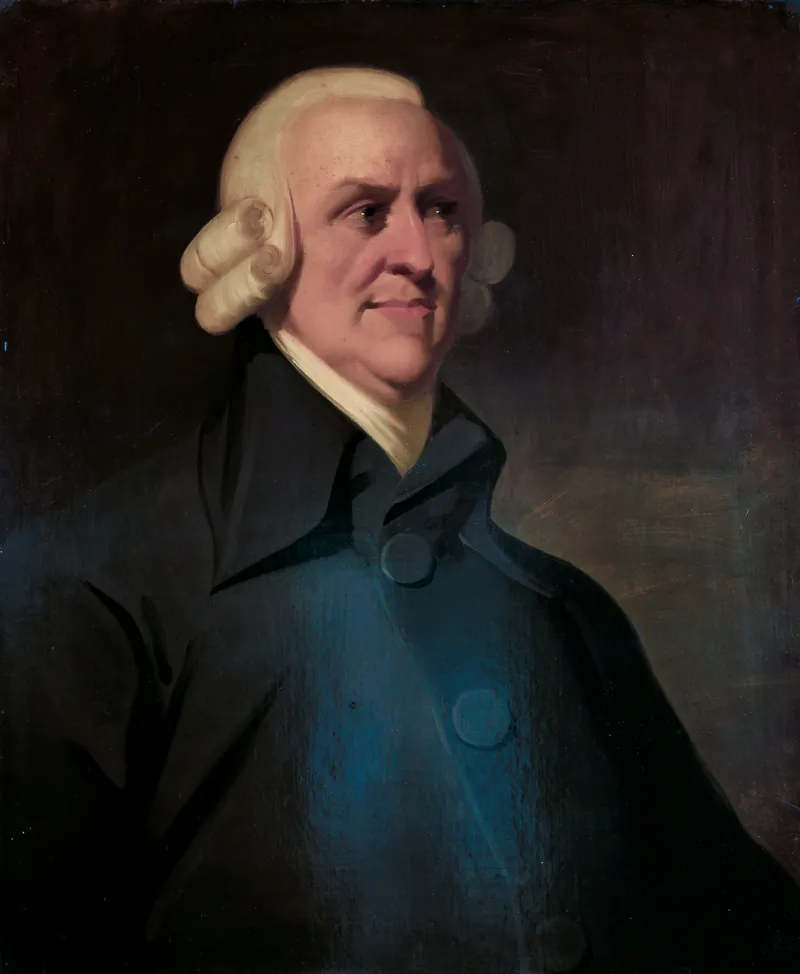
- Adam Smith was a Scottish economist and philosopher who was a pioneer in the field of political economy and a key figure during the Scottish Enlightenment.
- What are the main themes?
- The Wealth of Nations explores an exceptional range of interconnected themes: the division of labour as the engine of productivity, price determination and the nature of stock accumulation, and the self-regulating power of supply and demand — embodied in Smith's famous 'invisible hand' metaphor. The work delivers a sustained critique of mercantilism — the then-dominant doctrine that national wealth depended on state regulation and bullion accumulation — as well as of monopolies, colonial trade practices, high taxes on luxury goods, and the slave trade. Books IV and V engage directly with questions of taxation, public revenue, and the proper role of the state, making the treatise as much a work of political philosophy as of economics.
- How difficult is it to read?
- The difficulty is real and was acknowledged almost from the moment of publication. Robert Southey, writing in the Quarterly Review in 1812, condemned the book as 'tedious and hard-hearted' — a verdict that, whatever its political motivations, accurately describes the texture of the prose. Smith writes in the register of eighteenth-century philosophical discourse: dense, digressive, and given to reasoning through exceptions and qualifications at considerable length before arriving at a principle. The five-book, multi-volume structure requires sustained, scholarly engagement, and readers must also supply substantial historical context around mercantilism and early industrialisation to follow the full force of Smith's critique.
Summarize this book
Follow up
Synthesized from verified book data & published reviews · How we review
Press Enter to ask. Answers come from our editorial Q&A — start typing to see related questions.
Age & Reading Level
Recommended age
Adult
Reading level
Adult
1 content note · who it suits
Content to know about
Skip if you want a concise, modern-style introduction to economic ideas rather than a sprawling eighteenth-century philosophical treatise.
Editorial Review
First published on 9 March 1776, Adam Smith's The Wealth of Nations is, as Encyclopaedia Britannica describes it, "the first formulation of a comprehensive system of political economy" — a foundational treatise that redrew the intellectual map of economics, trade, and governance for centuries to come.
Read the Full ReviewBooks like The Wealth of Nations
Curated picks for readers who enjoyed The Wealth of Nations, with our reasoning for each match.
If you liked The Wealth of Nations