The Zen Monkey and the Lotus Flower: 52 Stories to Relieve Stress, Stop Negative Thoughts,
by Tenpa Yeshe
At a glance
The Zen Monkey and the Lotus Flower
52 Stories to Relieve Stress, Stop Negative Thoughts,
by Tenpa Yeshe
LuvemBooks Verdict
Best for: Readers navigating modern stress, negative self-talk, or a general sense of disconnection who want an accessible, Buddhist-influenced entry point they can work through one short story per week, with no prior knowledge of the tradition required.
Worth it? Skip it? Read the full verdict →Ask LuvemBooks
Was this helpful?
- Is it worth reading?
- For readers new to Buddhist-influenced mindfulness who are navigating modern stress, negative self-talk, or a sense of disconnection from contentment, The Zen Monkey and the Lotus Flower offers a genuinely accessible and well-structured entry point. The dual-metaphor framework of the Zen Monkey and the Lotus Flower gives the collection coherence that a loose anthology would lack, and the built-in reflections spare readers the work of extracting meaning on their own. The key caveat is depth: at 52 stories across 158 pages, brevity is the design priority, and readers already familiar with comparable mindfulness literature — such as the works of Thich Nhat Hanh or Jon Kabat-Zinn — may find the material covers well-trodden ground.
- Similar books
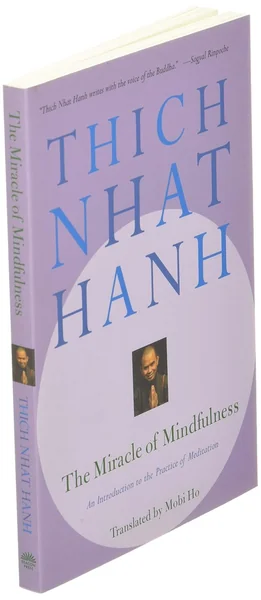
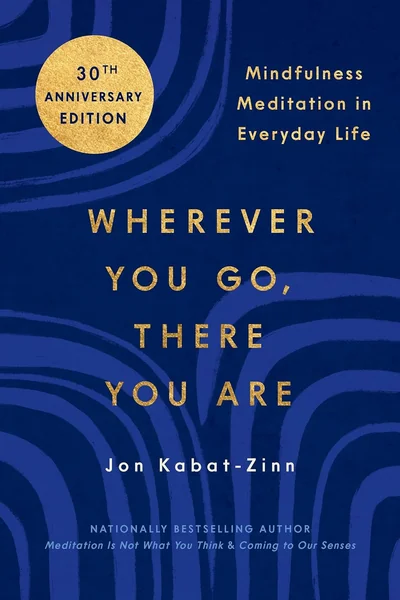
- Readers drawn to The Zen Monkey and the Lotus Flower will likely find common ground with several other titles in the mindfulness and Buddhist-wisdom space. Thich Nhat Hanh's The Miracle of Mindfulness is a classic accessible introduction to mindfulness practice rooted in Buddhist teaching, while his Old Path White Clouds uses narrative storytelling to explore the Buddha's life and teachings — a format that parallels Yeshe's parable-driven approach. Jon Kabat-Zinn's Wherever You Go, There You Are offers secular, practical mindfulness guidance with a similarly approachable tone. John Suler's Zen Stories to Tell Your Neighbors shares the short-story-plus-reflection structure directly. For readers interested in the self-compassion and gratitude themes Yeshe emphasises, Brené Brown's The Gifts of Imperfection is a natural companion read.
- Who should read this?
- The Zen Monkey and the Lotus Flower is squarely aimed at adults navigating the pressures of contemporary life — particularly those experiencing stress, negative self-talk, or a general sense of disconnection from contentment. Litlinks positioned it as 'a guide to navigating the complexities of modern life with a calm mind and open heart,' and its design explicitly assumes no prior knowledge of Buddhism or meditation. Readers who respond well to parable-style storytelling as a vehicle for personal reflection, and those who want practical, incremental guidance rather than an academic study, will find the format a natural fit. It is less suited to readers already well-versed in Buddhist or mindfulness literature who are seeking deeper doctrinal exploration.
- About Tenpa Yeshe
- Tenpa Yeshe, born in 1971, is a Buddhist practitioner, meditation teacher, and storyteller from Tibet. He is the author of The Zen Monkey and the Lotus Flower, a collection of 52 stories aimed at relieving stress and cultivating happiness, as well as Everything Will Be Okay: A Parable.
- What are the main themes?
- The collection centres on four recurring universal themes: gratitude, mindfulness, self-love, and happiness. Each story approaches one of these areas through a Buddhist-wisdom lens, with the 'Zen Monkey' metaphor representing the restless, anxious mind that modern life amplifies, and the 'Lotus Flower' standing for the possibility of mental clarity and transformation through practice. The full subtitle — 52 Stories to Relieve Stress, Stop Negative Thoughts, Find Happiness, and Live Your Best Life — makes explicit the practical, life-application orientation of these themes rather than a purely philosophical one.
- How should I read this book?
- The 52-story format strongly implies a one-story-per-week cadence — reading one entry and its accompanying reflection per week aligns the book's structure with a full calendar year of sustained, gradual engagement. Each story and reflection can be absorbed in a short sitting, making it practical for readers with limited time. That said, the self-contained nature of each entry also means the book can be read out of order or dipped into as needed, rather than consumed cover to cover.
Summarize this book
Follow up
Synthesized from verified book data & published reviews · How we review
Press Enter to ask. Answers come from our editorial Q&A — start typing to see related questions.
Age & Reading Level
Recommended age
Adult
Reading level
Adult
who it suits
Skip if you're looking for rigorous, scholarly, or doctrinally grounded Buddhist study.
Editorial Review
Tenpa Yeshe's independently published collection delivers 52 short Buddhist-inspired stories, each followed by a practical reflection connecting ancient wisdom to contemporary life — a compact, accessible guide designed for readers seeking mindfulness, stress relief, and a gentler relationship with their own thoughts.
Read the Full ReviewBooks like The Zen Monkey and the Lotus Flower
Curated picks for readers who enjoyed The Zen Monkey and the Lotus Flower, with our reasoning for each match.
If you liked The Zen Monkey and the Lotus Flower