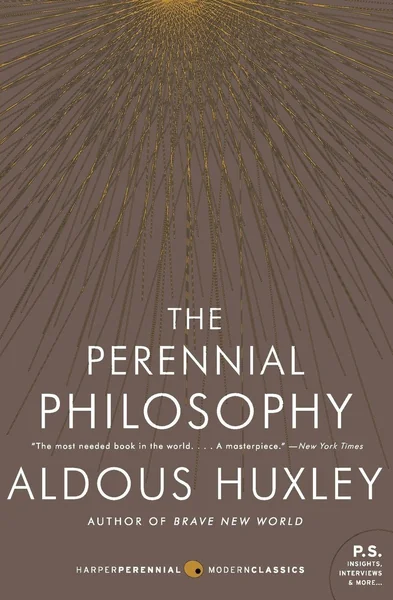
The Perennial Philosophy: A Study of Universal Mystical Philosophy (Harper Perennial
Aldous Huxley surveys the world's mystical traditions — from Christian mystics to Hindu philosophy and Taoism — arguing they share a single universal spiritual truth.
Read our full reviewAt a glance
LuvemBooks Verdict
Best for: Serious readers of comparative religion or philosophy who want a thematically organized, primary-source anthology of cross-traditional mystical thought — from Taoism and Buddhism to Christian mysticism and Sufism — guided by Huxley's own synthesizing intelligence.
Worth it? Skip it? Read the full verdict →Ask LuvemBooks
Was this helpful?
- Is it worth reading?
- For serious readers drawn to comparative religion, philosophy of mysticism, or the history of spiritual thought, The Perennial Philosophy remains a genuinely rewarding and ambitious work — one the Reverend W. R. Inge, writing in the journal Philosophy, called 'probably the most important treatise we have had on mysticism for many years.' Its thematic design surfaces lesser-known mystical writers alongside canonical figures, offering real discovery value even for well-read readers. The key caveat is that it rewards engagement rather than casual reading: it is dense, deliberately slow-paced, and assumes at least some prior familiarity with the Christian tradition and the Bible. Readers expecting a conventional survey of world religions will find instead a sustained philosophical thesis illustrated by sacred literature.
- Similar books
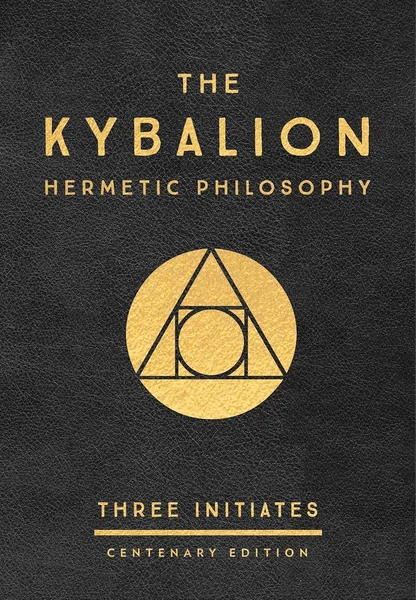
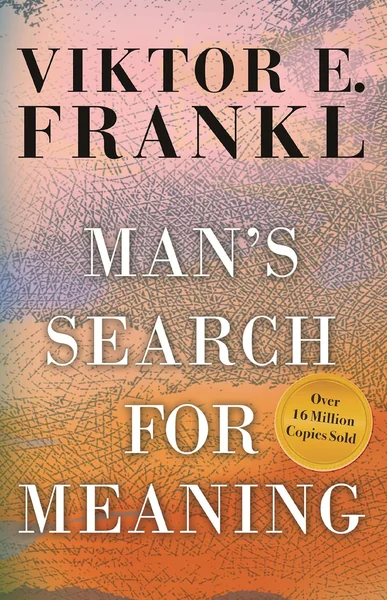
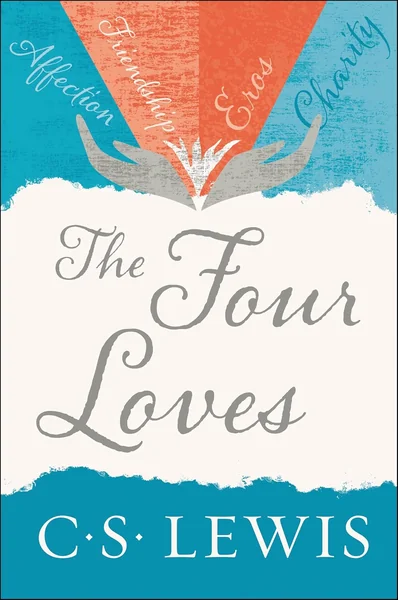
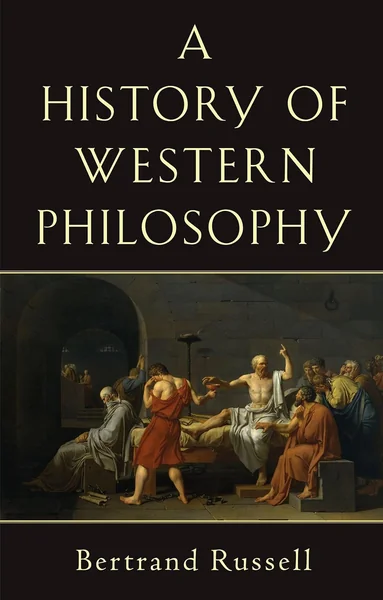
- Readers drawn to The Perennial Philosophy's intersection of philosophy and spiritual tradition will find several complementary works among LuvemBooks' curated selections. The Kybalion by Three Initiates similarly attempts to distill universal metaphysical principles from esoteric tradition into a single synthesizing text. The Consolation of Philosophy by Ancius Boethius is a foundational work of Western philosophical and spiritual thought that shares Huxley's interest in transcendent meaning. The Four Loves by C. S. Lewis brings a deeply Christian philosophical sensibility to questions of the spiritual life, while Man's Search for Meaning by Viktor E. Frankl approaches existential and spiritual themes through the lens of lived human experience. For a broader intellectual and historical context, Will Durant's The Story of Philosophy offers an accessible survey of Western philosophical tradition.
- Who should read this?
- The Perennial Philosophy is best suited to serious adult readers with an existing interest in comparative religion, mysticism, or philosophy of religion — those willing to engage with a dense, thematically organized primary-source anthology rather than a conventional survey. It offers particular value to readers already versed in one or two traditions who want to encounter less familiar mystical voices: Huxley deliberately favors sources 'unfamiliar to the modern reader,' making the book as much an act of excavation as synthesis. Readers should arrive with at least some baseline familiarity with the Christian tradition and the Bible, as Huxley's connecting commentary assumes that frame of reference. Those drawn to it through Huxley's fiction should note that this is a very different register — systematic and philosophical rather than novelistic.
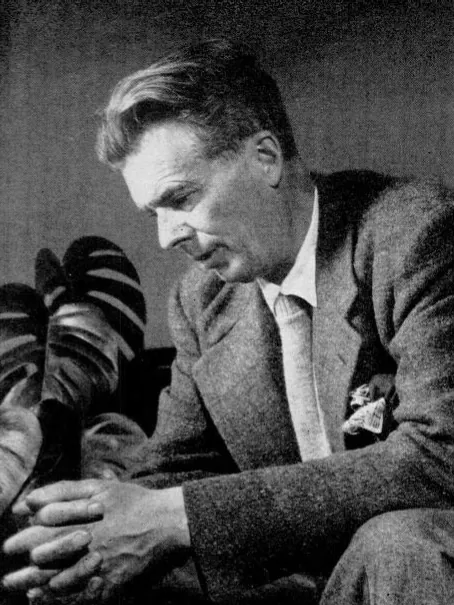
- About Aldous Huxley
- Aldous Leonard Huxley was an English writer and philosopher.
- What are the main themes?
- The central theme is the philosophia perennis — the argument that a shared mystical core underlies the surface differences of the world's great religions, from Taoism and Buddhism to Islam, Hinduism, and Christianity. Closely linked is the theme of the 'Natural Theology of the Saints': Huxley frames mystical experience as an absolute standard against which both individual moral life and collective societal behavior can be measured. The book also engages with the relationship between institutional religion and direct mystical experience, the value of primary spiritual voices over theological summaries, and — given its 1945 publication date — the question of what the 'insane and often criminal behaviour of the national societies we have created' reveals about humanity's spiritual condition.
- How does this compare to Brave New World?
- The Perennial Philosophy and Brave New World represent strikingly different registers of Huxley's work. Brave New World is a dystopian novel driven by narrative momentum, satirical vision, and invented characters, while The Perennial Philosophy is a systematic, meditative philosophical anthology assembled from sacred and mystical primary sources. Readers who come to this book expecting the same voice that wrote Brave New World will find instead something closer to a sustained philosophical thesis illustrated by scripture — deliberately slow-paced and demanding genuine engagement rather than narrative immersion.
Summarize this book
Follow up
Synthesized from verified book data & published reviews · How we review
Press Enter to ask. Answers come from our editorial Q&A — start typing to see related questions.
Age & Reading Level
Recommended age
Adult
Reading level
Adult
who it suits
Skip if you want a conventional survey of world religions or a light introduction to spiritual thought rather than a dense, argumentative philosophical anthology.
Editorial Review
First published in 1945 and reissued in a Harper Perennial Modern Classics edition in 2009, Aldous Huxley's The Perennial Philosophy remains one of the most ambitious anthological studies of mysticism in the English language — assembling sacred texts and mystical writings from across the world's great religious traditions to argue for a common spiritual ground beneath them all.
Read the Full ReviewBooks like The Perennial Philosophy
Curated picks for readers who enjoyed The Perennial Philosophy, with our reasoning for each match.
If you liked The Perennial Philosophy