
9 min read
4.4
· 25,295 Amazon ratingsShare This Review
The Picture of Dorian Gray by Oscar Wilde Review: A Timeless Gothic Masterpiece Still Resonates
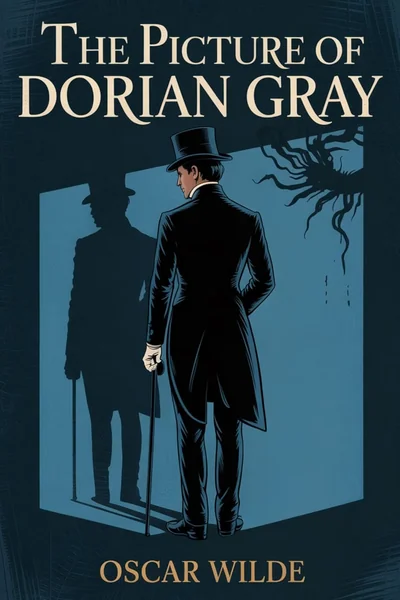
Oscar Wilde's only novel, The Picture of Dorian Gray, is a philosophical fiction and Gothic horror classic that follows the beautiful Dorian Gray as he bargains his soul so that his portrait — rather than himself — bears the marks of age and moral corruption. Originally published in 1890 and widely regarded as a cornerstone of both Gothic and English literature, this Grapevine Kindle edition makes the novel readily accessible to a new generation of readers. The Guardian has listed it among the 100 best novels ever written in English, and it remains among the most widely read Gothic novels in the world.
LuvemBooks Verdict
Best for
Readers drawn to ideas as much as plot — particularly those interested in Gothic fiction, Victorian literature, or philosophical horror — who want a richly layered novel that works simultaneously as moral fable, aesthetic manifesto, and supernatural tale.
Worth it if
Worth reading if you're willing to surrender to Wilde's discursive, essayistic style and let the novel's philosophical tensions — between beauty and corruption, art and morality, desire and consequence — do their slow, unsettling work.
Skip if
Skip it if you're after a tightly plotted thriller or horror novel with sustained narrative momentum, as Wilde's extended passages on aesthetics and decadence frequently pause the story in favour of philosophical argument.
What readers & critics say
The Guardian, whose review page for the novel is among our retrieved sources, placed it among the 100 best novels ever written in English, noting it enjoyed "by far the worst reception on its publication" before eventually being recognised as a classic. Britannica characterises it as "an archetypal tale of a young man who purchases eternal youth at the expense of his soul," while Wikipedia's account of its reception confirms it is now Wilde's best-known publication, having been largely overlooked until the 1980s before attracting substantial academic and popular interest.
“Wilde's only novel enjoyed by far the worst reception on its publication — not until many years after his death was it recognised as a classic.”
— The GuardianAsk LuvemBooks
Was this helpful?
- Is it worth reading?
- For readers drawn to literary fiction, Gothic horror, or philosophical prose, The Picture of Dorian Gray stands as essential reading — Joyce Carol Oates called it 'exceptionally good — in fact, one of the strongest and most haunting of English novels,' and The Guardian placed it among the 100 best novels ever written in English. Lord Henry Wotton's epigrams and paradoxes give the novel a wit and intellectual energy unusual in Gothic fiction, while the moral stakes remain urgent more than a century after publication. The chief caveat is pace: Wilde's extended passages on aesthetics and decadence can feel digressive to readers expecting a plot-driven thriller, and the Victorian coding of its moral critique may require some patience.
- Similar books
- Readers who respond to Dorian Gray's Faustian bargain and moral doubling will find natural companions in Robert Louis Stevenson's The Strange Case of Dr Jekyll and Mr Hyde, which shares the Victorian Gothic preoccupation with a hidden, corrupted self, and Johann Wolfgang von Goethe's Faust, the foundational text for the soul-bargain archetype. Emily Brontë's Wuthering Heights offers a comparably brooding Gothic atmosphere and an anti-hero whose destructive passions echo Dorian's moral ruin. Among the catalogue titles featured below, Victor Hugo's The Hunchback of Notre Dame likewise explores obsession, beauty, and social condemnation in a Gothic register, while John Milton's Paradise Lost — another canonical meditation on pride, transgression, and the cost of defying a moral order — provides a striking thematic parallel to Dorian's Faustian arc. Patricia Highsmith's The Talented Mr. Ripley offers a modern psychological counterpart, following a charming, amoral protagonist whose carefully maintained surface conceals a trail of destruction.
- Who should read this?
- The Picture of Dorian Gray is best suited to readers who enjoy literary fiction at the intersection of Gothic horror, moral philosophy, and dark psychological study. Students of English literature will find it indispensable — it sits at the heart of both the Gothic canon and the Victorian aesthetic movement — while general readers drawn to character-driven narratives about vanity, corruption, and consequence will find its central premise perennially compelling. It is recommended for readers aged 13 and up, though those expecting fast-paced plot mechanics rather than discursive philosophical debate may find the novel tests their patience.
- What age is it for?
- Best for ages 13 and up, in line with customer guidance on the current Grapevine Kindle edition. The novel's themes of moral decay, manipulation, cruelty toward Sibyl Vane, and eventual violence are substantive, and the Victorian-era coding of its social and moral critique — oblique by design — is best appreciated by readers with some experience of literary fiction. Younger readers tackling it as a school text will benefit from contextual guidance on Wilde's Aestheticism and the pressures that shaped the novel's deliberate indirection.
- What are the main themes?
- The Picture of Dorian Gray operates on several thematic registers simultaneously. At its most immediate, it is a Faustian meditation on the pursuit of eternal youth at the expense of the soul — Dorian's wish that the portrait bear the marks of his corruption while he remains untouched literalises the moral bargain. More broadly, Wilde uses Dorian's story to interrogate Aestheticism, the doctrine that beauty and art exist for their own sake independent of moral utility, and to expose its human cost. The corrosive vanity of beauty, the psychological burden of hidden sin, and the tension between social surface and private corruption run through every chapter.
- Tell me about the adaptations
- The Picture of Dorian Gray has been adapted repeatedly for film, stage, and other art forms since its publication. Notable film versions include the 1945 MGM production — one of the most celebrated — and subsequent adaptations across multiple decades. The novel's influence is also formalised in the cultural calendar: the Dorian Awards, honouring LGBTQ+ film and television, have been presented annually since 2009, named in recognition of Wilde's novel and its coded queer subtext. Stage and operatic adaptations have appeared internationally, testament to the story's enduring theatrical potential.
- About Oscar Wilde
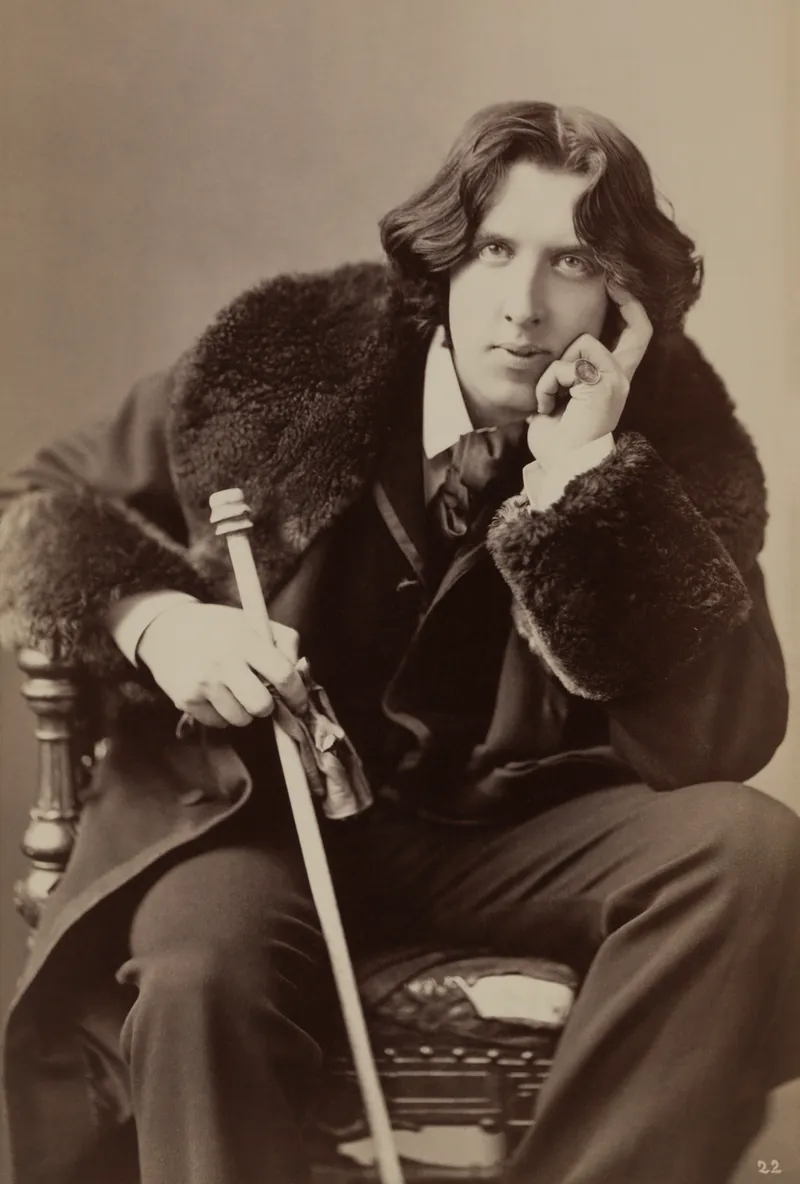
- Oscar Fingal O'Fflahertie Wills Wilde was an Irish author, poet, and playwright. The Picture of Dorian Gray, first published in 1890, remains his only novel.
Summarize this book
Follow up
Synthesized from verified book data & published reviews · How we review
Press Enter to ask. Answers come from our editorial Q&A — start typing to see related questions.
Age & Reading Level
Recommended age
Ages 12–18
Reading level
Young adult
4 content notes · who it suits
Content to know about
Best for: Ages 13+ — substantive themes of moral decay, manipulation, and violence, combined with Victorian-era philosophical density, suit readers with some experience of literary fiction.
Skip if you want fast-paced Gothic horror with plot-driven momentum rather than philosophical, essayistic prose.
Our Review
What the Novel Is and What It Contains
The Novel's Significance and Literary Standing
What the Novel Does Well: Ideas, Wit, and Wilde's Aestheticism
Genuine Limitations and Who May Find It Challenging
Who This Edition Is For and How It Reads Today
Sources & Further Reading
The key facts and claims in this review are grounded in the retrieved, verified sources listed below.
- Cited in this review
- 1
- 2
- 3
- 4
- Further reading
- 5
Oscar Wilde, Wikipedia
- 6
en.wikipedia.org
- 7
- 8
- 9
- 10
thepaladinpages.com
Books like The Picture of Dorian Gray
Curated picks for readers who enjoyed The Picture of Dorian Gray, with our reasoning for each match.
If you liked The Picture of Dorian Gray
Why It’s Trending
Dorian Gray Is Having a Moment Again — And It's Not Hard to See Why
Oscar Wilde's gothic classic about eternal youth and moral decay is drawing renewed attention right now, with fresh content and discussion popping up across the web. It's one of those books that keeps finding new audiences, and the themes feel especially relevant in a world obsessed with appearance and self-image.