7 min read
4.4
· 348 Amazon ratingsShare This Review
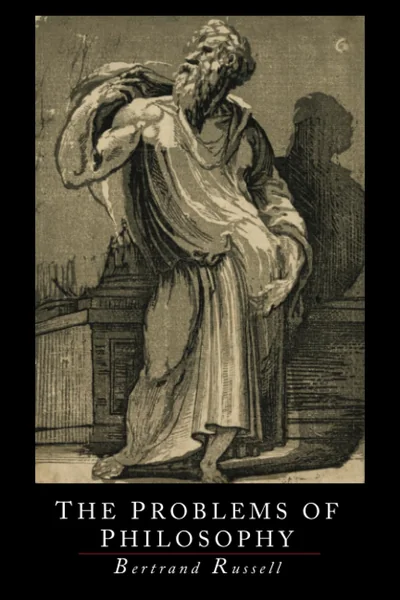
The Problems of Philosophy by Bertrand Russell Review: A Timeless Gateway to Philosophical Inquiry
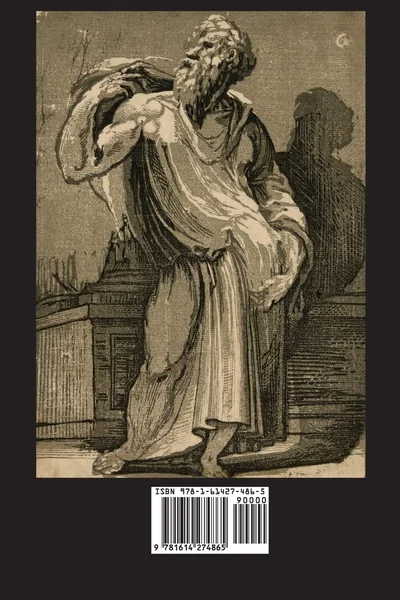
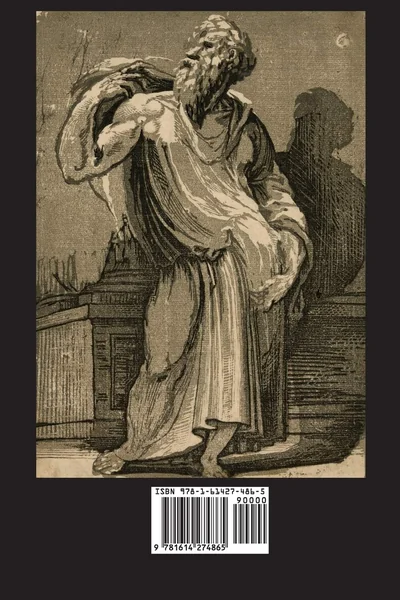
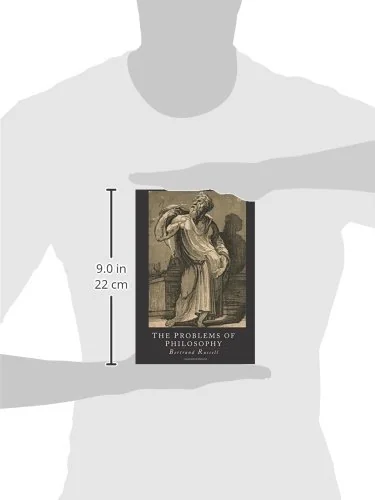
First published in 1912 and reissued in numerous editions since — including a Martino Fine Books paperback edition — Bertrand Russell's The Problems of Philosophy remains one of the most widely read introductions to the discipline ever written, guiding general readers and philosophy students alike through the central questions of knowledge, perception, and mathematical truth.
 Tap to enlarge
LuvemBooks Verdict
Best for
Readers with no prior philosophical background who want an intellectually serious, concise orientation to epistemology's core questions — particularly those drawn to philosophy's intersections with mathematics and the sciences.
Worth it if
You want to understand why philosophy's central questions remain genuinely open, and what rigorous philosophical thinking looks like, without needing prior training or a large time commitment.
Skip if
You are looking for a comprehensive survey of philosophy — including ethics, political philosophy, aesthetics, or non-Western traditions — because Russell's deliberate selectivity leaves all of those largely untouched.
What readers & critics say
EBSCO describes the book as "a foundational text in the fields of metaphysics and epistemology, offering readers a clear introduction to complex philosophical issues" and notes it is "one of the earliest comprehensive examples of analytic philosophy." The University of Oxford's Univ college reading list credits it as the book that "most inspired" at least one contributor to study philosophy at university, praising its power to invite readers to question the solutions Russell presents — a skill it calls "really useful" for degree-level study.
Sources: EBSCO Research Starters, University of Oxford – Univ College, Wikipedia, Project Gutenberg, markrkelly.comPreview the book
Ask LuvemBooks
Was this helpful?
- Is it worth reading?
- For anyone seeking a rigorous but genuinely accessible entry into philosophy, The Problems of Philosophy earns its reputation. Russell's clarity with difficult material is one of the book's most remarked-upon qualities, and its decades of use as a university course text confirm that it functions effectively as a starting point for more advanced study. The key caveat is scope: Russell's deliberate selectivity means ethics, political philosophy, and aesthetics receive little or no treatment, and readers wanting a comprehensive handbook will need to supplement it. But for understanding why philosophy's questions remain open and what careful philosophical thinking actually looks like, Russell's slim volume remains a reliable first destination.
- Similar books
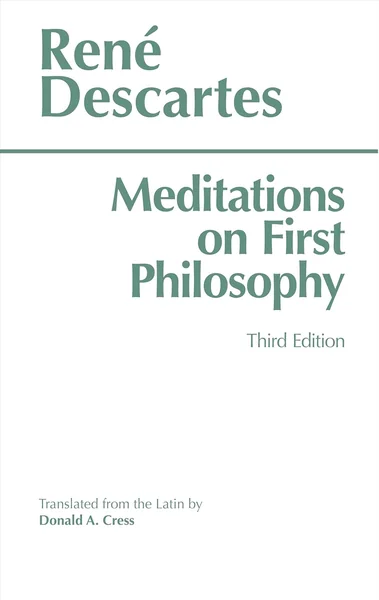
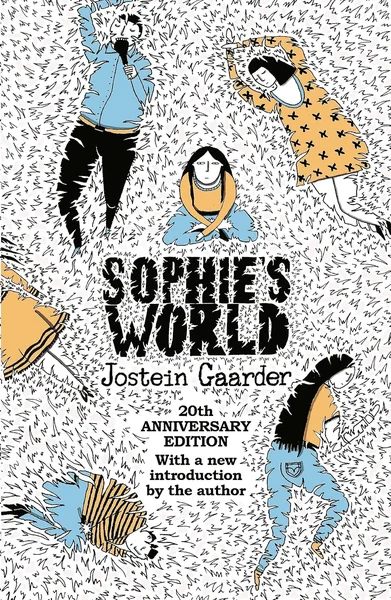
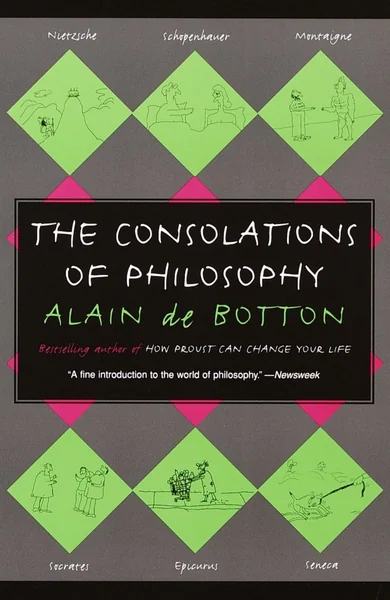
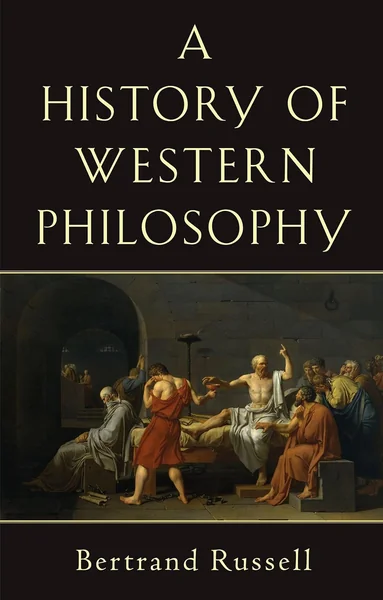
- Readers who enjoy The Problems of Philosophy often turn to Simon Blackburn's Think: A Compelling Introduction to Philosophy, which offers a broader introductory survey of the discipline. Russell's own The History of Western Philosophy provides a far more expansive — and characteristically lucid — tour through the Western tradition. For those drawn to philosophy's foundational texts directly, Plato's The Republic and Immanuel Kant's Critique of Pure Reason are essential companions, with Kant being one of the thinkers Russell engages in the book. J. Gaarder's Sophie's World offers a narrative approach to the history of philosophy for readers who prefer story-driven introductions, and Alain De Botton's The Consolations of Philosophy presents philosophical ideas through an accessible, humanistic lens.
- Who should read this?
- The Problems of Philosophy is best suited to readers who are curious about philosophy but have no prior training — Russell's explicit design goal was accessibility for exactly this audience. It is also well-suited to university students encountering philosophy for the first time, given its documented decades of use as a course text. Readers with a background or interest in mathematics will find the book's treatment of mathematical truth and the philosophy of pure mathematics particularly rewarding. Those wanting a comprehensive survey covering ethics, political philosophy, aesthetics, or non-Western philosophical traditions should note that these areas are largely absent and will need supplementary reading.
- About Russell Bertrand
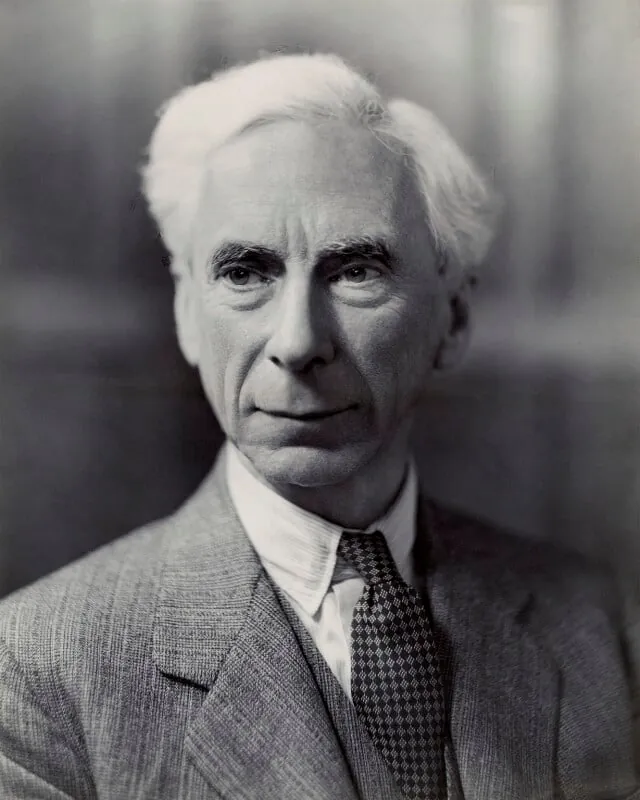
- The 1950 Nobel Prize in Literature was awarded to the British philosopher Bertrand Russell (1872–1970) 'in recognition of his varied and significant writings in which he champions humanitarian ideals and freedom of thought.' He is the third philosopher to receive the prize, after the German philosopher Rudolf Christoph Eucken in 1908 and the French analytic-continental philosopher Henri Bergson in 1927.
- What are the main themes?
- The central intellectual thread of The Problems of Philosophy is epistemology — the theory of knowledge. Russell organises the book around questions such as whether we can prove an external world exists, whether cause and effect can be validated, and whether morality can be objectively justified. His consistent position is that philosophy cannot deliver proofs to these questions, and that the value of the discipline lies in the rigour of the inquiry itself rather than in settled answers. The book also gives sustained attention to the philosophy of mathematics, exploring how pure mathematics is possible — a theme Russell approaches with the authority of a working mathematician.
- What's the reading level?
- The Problems of Philosophy is written for a general adult readership — Russell's explicit aim was to make philosophy accessible to those with no prior training in the subject, and the book's clear, concise prose reflects that commitment. Published reader commentary confirms that it assumes no previous knowledge of philosophy. While the ideas are genuinely challenging, the writing style is unusually approachable for a canonical philosophical text, and university use across decades confirms it functions well as a first encounter with serious philosophical thinking.
Summarize this book
Follow up
Synthesized from verified book data & published reviews · How we review
Press Enter to ask. Answers come from our editorial Q&A — start typing to see related questions.
Age & Reading Level
Recommended age
Adult
Reading level
Adult
who it suits
Skip if you want a comprehensive survey of philosophy covering ethics, political philosophy, aesthetics, or non-Western philosophical traditions.
Our Review
What the Book Actually Is and Does
Its Place in the Canon
Core Strengths: Accessibility and Intellectual Rigour
Limitations and Who May Find It Frustrating
Who This Book Is For Today
Sources & Further Reading
The key facts and claims in this review are grounded in the retrieved, verified sources listed below.
- Cited in this review
- 1
- 2
- 3
- Further reading
- 4
en.wikipedia.org
- 5
users.drew.edu
- 6
- 7
Books like The Problems of Philosophy
Curated picks for readers who enjoyed The Problems of Philosophy, with our reasoning for each match.
If you liked The Problems of Philosophy