9 min read
Share This Review
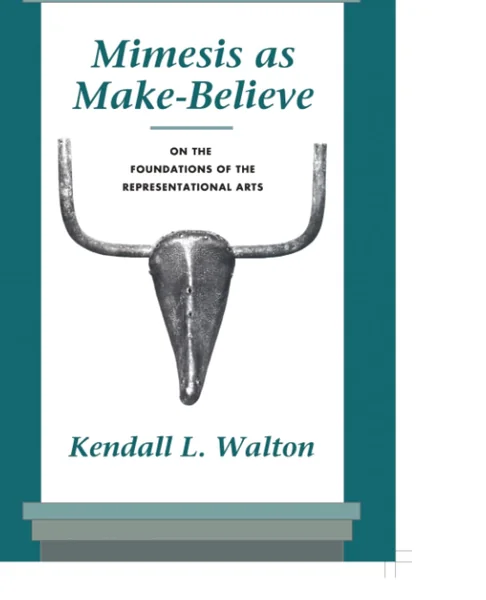
Mimesis as Make-Believe by Kendall Walton Review: A Landmark Work in Analytic Aesthetics
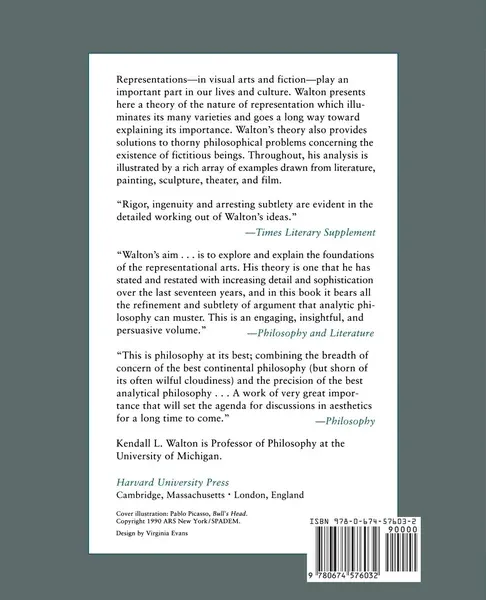
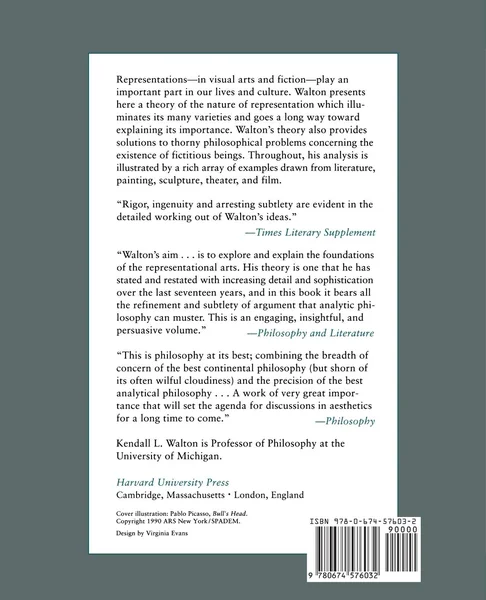
Kendall Walton's Mimesis as Make-Believe: On the Foundations of the Representational Arts is a major work of analytic philosophy of art, originally published by Harvard University Press in 1990 and later issued in a reprint paperback edition. By grounding the theory of representation in the logic of children's make-believe, Walton constructs a unified framework that spans literature, painting, sculpture, theater, and film — making it essential reading for philosophers of art, aestheticians, and theorists of fiction.
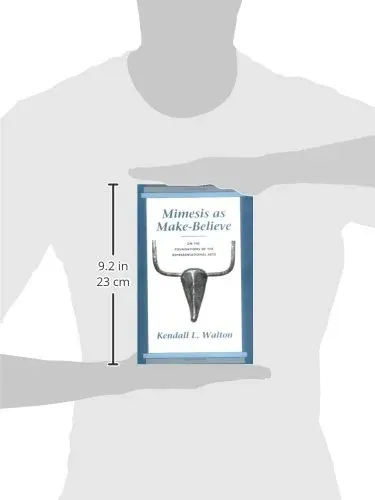
 Tap to enlarge
LuvemBooks Verdict
Best for
Philosophers and advanced graduate students working in analytic aesthetics, philosophy of mind, or philosophy of language who need a rigorous, unified theoretical account of representation across the arts.
Worth it if
You are prepared to engage with dense, systematically argued analytic philosophy and want a single framework that addresses fiction, depiction, the ontology of fictional entities, and emotional response to art in one coherent sweep.
Skip if
You are a general reader, an undergraduate new to philosophy of art, or a humanities scholar (in film studies, literary theory, or art history) who is not yet comfortable with analytic methodology and its highly technical vocabulary — the investment required to unlock the payoffs is substantial.
What readers & critics say
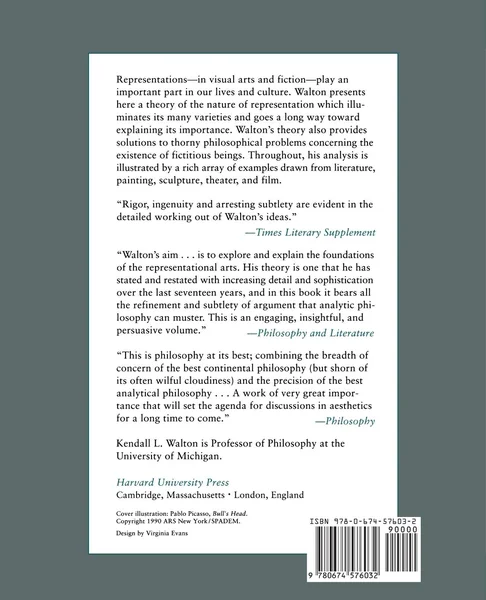
David Novitz, writing in Philosophy and Literature (as summarised on muse.jhu.edu), describes the theory as bearing "all the refinement and subtlety of argument that analytic philosophy can muster," noting that Walton's aim is to explore and explain the foundations of the representational arts. First Person Scholar notes the broad applicability of the make-believe framework, observing that it opens productive new lenses even beyond the arts Walton explicitly addresses.
Sources: muse.jhu.edu (Philosophy and Literature, David Novitz), firstpersonscholar.comPreview the book
Ask LuvemBooks
Was this helpful?
- Is it worth reading?
- For philosophers working in aesthetics, philosophy of mind, or philosophy of language, Mimesis as Make-Believe is widely regarded as indispensable — a rare work that brings a single, elegantly simple premise to bear on a remarkably broad set of foundational questions. Theorists in adjacent fields such as film studies, literary theory, and art history who want a rigorous analytic account of representation will find it rewarding, though demanding. The book is not designed as an introduction to aesthetics: it presupposes comfort with philosophical argumentation and requires significant investment before the payoffs become visible. For the audience it addresses, however, Walton's achievement — unifying the theory of the representational arts under one coherent framework — is the kind that defines a field.
- Similar books
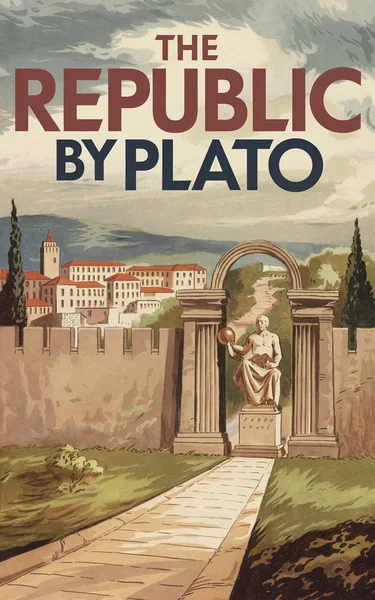
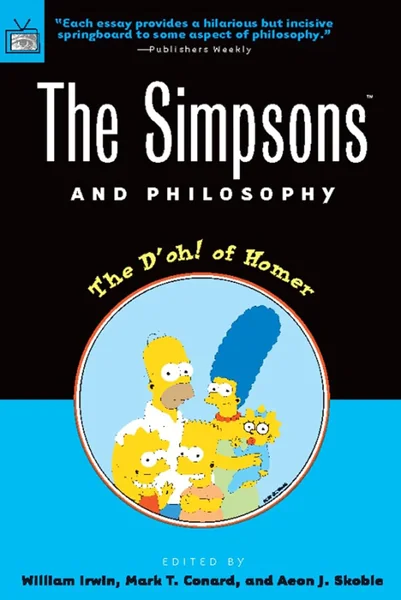
- Readers drawn to Mimesis as Make-Believe for its rigorous analytic approach to foundational questions will find natural companions in the curated selections below. Plato's The Republic is an essential predecessor — its treatment of mimesis and the arts as imitation remains the classical backdrop against which Walton's theory is inevitably read. For those wanting a broader orientation to philosophical method and argument before diving into Walton's technical apparatus, Simon Blackburn's Think: A Compelling Introduction to Philosophy offers an accessible survey of the discipline. Readers interested in foundational epistemological and metaphysical questions of the kind Walton raises about fictional reality will also find resonance in René Descartes' Meditations on First Philosophy. Friedrich Nietzsche's Beyond Good and Evil offers a contrasting Continental approach to questions of appearance, reality, and the arts. For a lighter, pop-culture entry point into philosophical aesthetics, The Simpsons and Philosophy: The D'oh! of Homer applies philosophical concepts to mass-media representation in a far more accessible register.
- Who should read this?
- The book's primary audience is philosophers working in aesthetics, philosophy of mind, and philosophy of language, for whom it is considered essential reading. Theorists in adjacent fields — film studies, literary theory, art history — who want a rigorous analytic account of how representation works across art forms will find it substantive and rewarding, provided they are willing to invest in mastering Walton's technical framework. The book explicitly is not designed for general readers or students new to philosophy of art: it presupposes comfort with philosophical argumentation and extended systematic reasoning. Graduate students in philosophy and seasoned researchers are the core readership Harvard University Press has kept the book in print for across more than three decades.
- How technical is Walton's approach?
- Walton's approach is notably and deliberately technical, in a manner characteristic of analytic philosophy at its most rigorous. He explicitly signals at the outset that he uses the term 'representation' both more broadly and more narrowly than is ordinarily done — and that only fiction will qualify as 'representational' in his specific technical sense. Rather than borrowing ordinary language and hoping for the best, Walton builds a technical apparatus from the ground up, carefully managing his own vocabulary throughout to reduce the ambiguity common in aesthetics. Readers coming from philosophy will find this rigor familiar and valuable; those from art history, film studies, or literary theory may need to invest considerably in mastering his framework before the theoretical payoffs become visible.
- How has the book held up over time?
- First published in 1990, Mimesis as Make-Believe has maintained a sustained presence in philosophical aesthetics for more than three decades. Harvard University Press has kept it in print in a reprint paperback edition — a practical signal of its continued use in graduate philosophy courses and its standing as a reference point in ongoing debates about fiction, depiction, and emotional response to art. The make-believe theory Walton develops has become one of the most discussed proposals in analytic philosophy of art, continuing to influence debates around the paradox of fiction and the ontology of fictional entities well into the twenty-first century.
- Does it really cover all the art forms equally?
- Walton deliberately draws literature, painting, sculpture, theater, and film into a single theoretical orbit rather than treating them as separate domains requiring separate accounts. The cross-media scope is integral to the book's central argument: the claim is that the make-believe model illuminates representation as such — not merely representation in one corner of the arts. Walton illustrates his theoretical positions with examples drawn from across all these art forms, using that breadth as evidence for the framework's explanatory power. The publisher's description positions the book as essential reading for 'everyone interested in the workings of representational art,' reflecting how broadly Walton casts the net.
Summarize this book
Follow up
Synthesized from verified book data & published reviews · How we review
Press Enter to ask. Answers come from our editorial Q&A — start typing to see related questions.
Age & Reading Level
Recommended age
Adult
Reading level
Adult
who it suits
Skip if you're looking for an accessible introduction to philosophy of art or aesthetics for a general audience.
Our Review
What the Book Actually Argues
Scope and Ambition Across the Arts
Philosophical Precision and a Distinctive Technical Vocabulary
Significance in the Field
Who This Book Is For
Sources & Further Reading
The key facts and claims in this review are grounded in the retrieved, verified sources listed below.
- Cited in this review
- 1
- 2
- Further reading
- 3
hup.harvard.edu
- 4
- 5
- 6
firstpersonscholar.com
- 7
Books like Mimesis and Make-Believe
Curated picks for readers who enjoyed Mimesis and Make-Believe, with our reasoning for each match.