7 min read
Share This Review
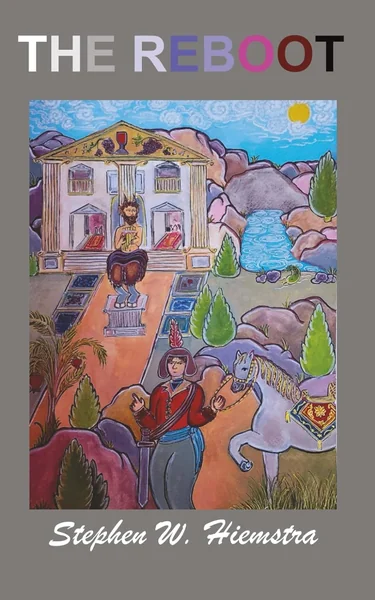
The Reboot (Jeez and the Gentile) by Stephen W. Hiemstra Review: A Faith-Driven Split-Time YA Adventure
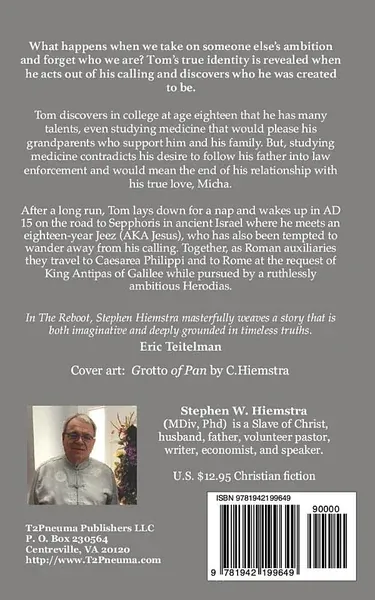
The Reboot is the concluding volume of Stephen W. Hiemstra's Jeez and the Gentile series, sending eighteen-year-old college student Tom back through time to walk dangerous roads in first-century Israel and brave a sea voyage to Rome alongside Jeez — a journey designed to strip away borrowed ambitions and reveal both characters' true callings.
 Tap to enlarge
LuvemBooks Verdict
Best for
Young adult readers aged 12–18 — and parents, educators, or youth-group leaders choosing for them — who want genre adventure set across first-century Israel and Rome and are open to fiction that places Christian questions of calling and identity at the centre of the plot.
Worth it if
You (or the reader you're buying for) have already read Jeez and the Gentile (Book 1) and want a fully resolved conclusion to both Tom's and Jeez's arcs, wrapped in a wide-ranging historical adventure.
Skip if
Readers coming to the series cold, or anyone seeking YA adventure with a secular or religiously neutral tone, will find the book's structural dependence on Book 1 and its overtly devotional framework a significant barrier.
What readers & critics say
The publisher's platform (t2pneuma.com) quotes a reviewer describing The Reboot as "both imaginative and deeply grounded in timeless truths," with the Judeo-Roman world's intrigues woven into the protagonists' personal searches for calling. No independent critical reviews from major outlets were available in retrieved sources.
Sources: T2Pneuma PublishersAsk LuvemBooks
Was this helpful?
- Is it worth reading?
- For its intended audience — YA readers ages 12–18 who are open to faith-integrated adventure fiction — The Reboot delivers on its promise: a wide historical and geographical canvas stretching from first-century Israel to Rome, a character-driven through-line about identity and vocation, and a fully resolved narrative arc for both Tom and Jeez. Reviewers connected with the book through the publisher's platform describe it as 'both imaginative and deeply grounded in timeless truths,' and critic Brien Benson highlighted how the Judeo-Roman world's intrigues are woven into the protagonists' personal searches. The key caveat is that the Christian thematic framework — vocation, calling, spiritual identity — is text, not subtext, and some YA readers may find the story's spiritual argument occasionally overtaking its narrative momentum. Readers already invested in the series after Book 1 will find the strongest payoff.
- Similar books
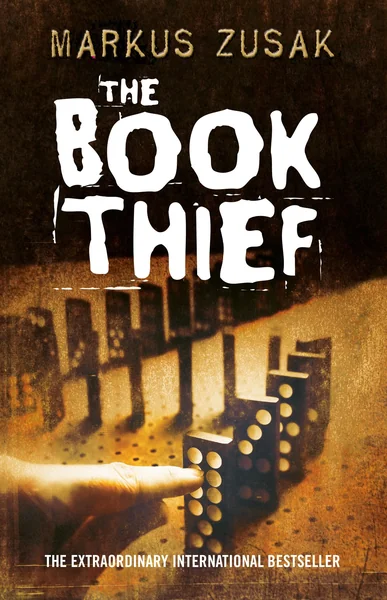
- Readers drawn to The Reboot's blend of time-displacement, historical setting, and questions of identity will find common ground with several titles. Miss Peregrine's Home for Peculiar Children by Ransom Riggs similarly combines a young protagonist crossing temporal boundaries with high-stakes adventure and a strong sense of a hidden, layered world. The Book Thief by Markus Zusak shares the first-century-adjacent instinct of embedding a young person's coming-of-age story within a meticulously rendered historical backdrop charged with life-and-death stakes. The Lost Crystals: A Young Adult Adventure Novel by Greg Blair and The Outsiders by S. E. Hinton round out the YA adventure shelf for readers who want narratives where identity, belonging, and purpose are central concerns.
- Who should read this?
- The Reboot is purpose-built for young adult readers ages 12–18 who are open to, or actively seeking, fiction that integrates Christian faith with genre adventure. It fits naturally into faith-based school curricula, church youth programs, and home libraries where parents want YA adventure that engages questions of identity and vocation. Readers who completed Jeez and the Gentile (Book 1) are the ideal audience, as the emotional payoff of both Tom's and Jeez's arcs depends on that prior investment. Readers seeking religiously neutral or secular speculative fiction are not the target audience.
- What age is it for?
- Best for ages 12 and up. The publisher sets the reading range at 12–18, aligning with the YA category, and the novel's split-time adventure structure, period-specific historical detail spanning first-century Israel and Rome, and thematic engagement with identity, vocation, and faith suit readers with the reading comprehension and life-stage relevance to engage those questions meaningfully. Younger readers below 12 may find the historical and theological layers less accessible.
- What are the main themes?
- The Reboot is built around the question of vocation versus borrowed ambition: what happens when a person — in this case Tom, pursuing medicine at his grandparents' urging — takes on someone else's goals and loses sight of their own calling? Hiemstra embeds this theological argument directly into the plot mechanics, so Tom's time-travel displacement is not merely an adventure device but the narrative engine of his spiritual and personal formation. Jeez's parallel arc — answering the call of a broken world — runs alongside Tom's, giving the novel dual protagonist arcs that both resolve within the completed duology. The faith content focuses on the Christian concept of a God-given calling distinct from externally imposed ambition.
- Where does this fit in the series?
- The Reboot is Book 2 of 2 in the Jeez and the Gentile series, making it the concluding volume of a completed duology. It is designed to be read after Jeez and the Gentile (Book 1), which establishes the character relationships and world-building that The Reboot's emotional payoff depends on. The series concludes with this volume, giving readers a fully resolved narrative arc for both Tom and Jeez — making the two books together a complete, self-contained read.
Summarize this book
Follow up
Synthesized from verified book data & published reviews · How we review
Press Enter to ask. Answers come from our editorial Q&A — start typing to see related questions.
Age & Reading Level
Recommended age
Ages 12–18
Reading level
Young adult
1 content note · who it suits
Content to know about
Best for: Ages 12+ — the split-time historical narrative, theological themes of vocation and calling, and multi-layered Judeo-Roman setting suit readers with the reading comprehension and life-stage context to engage them meaningfully
Skip if you're looking for YA adventure fiction with a secular or religiously neutral stance
Our Review
What the Book Is and What Happens
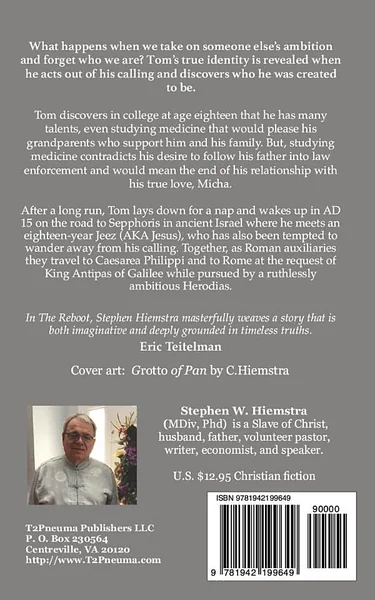
The Split-Time Concept and Its Place in the Genre
Strengths: Adventure Scope and Thematic Ambition
Limitations and Fit Considerations
Who This Book Is For
Sources & Further Reading
The key facts and claims in this review are grounded in the retrieved, verified sources listed below.
- Cited in this review
- 1
t2pneuma.com
- 2
- Further reading
- 3
waterstones.com
Books like The Reboot
Curated picks for readers who enjoyed The Reboot, with our reasoning for each match.
If you liked The Reboot