8 min read
4.7
· 15,464 Amazon ratingsShare This Review

Our review
The Book of Joy
The Book of Joy by Dalai Lama, Desmond Tutu & Douglas Carlton Abrams Review: A Profound Dialogue on Lasting Happiness
The Book of Joy captures a historic five-day conversation between Nobel Peace Prize Laureates the Dalai Lama and Archbishop Desmond Tutu, recorded in Dharamsala, India in April 2015, as both men reflected on suffering, resilience, and the nature of lasting happiness. Co-written with Douglas Carlton Abrams, it became a New York Times bestseller and has sold over one million copies.
LuvemBooks Verdict
Best for
Readers seeking accessible, cross-tradition wisdom on finding joy amid suffering — particularly those drawn to the personal authority of two Nobel Peace Prize Laureates whose lives of exile and oppression lend the book's argument an uncommon moral weight.
Worth it if
Worth reading if you want a warm, structured, and broadly spiritual guide to joy — grounded in Buddhist and Christian traditions, supplemented by science — and value the lived testimony of two figures who embody resilience rather than merely theorise it.
Skip if
Skip it if you're looking for scholarly rigour in positive psychology or theology, or need the Buddhist and Christian frameworks to fully reconcile into a single, doctrinally consistent system — the book prioritises warmth and narrative immersion over that kind of systematic resolution.
What readers & critics say
The book was an instant New York Times bestseller and has sold over one million copies, according to Penguin Random House; Wikipedia's reception summary notes coverage in major outlets including Time and The Boston Globe, with the latter drawing on its themes during the 2016 U.S. Election cycle. Spirituality & Practice describes it as "an illuminating dialogue on the spiritual practice of joy and its eight pillars," while Publishers Weekly (as quoted on Bookshop.org) calls it "sparkling, wise, and immediately useful."
Sources: Penguin Random House, Wikipedia, Spirituality & Practice, Bookshop.orgAsk LuvemBooks
Was this helpful?
- Is it worth reading?
- For readers drawn to accessible, experience-grounded wisdom, The Book of Joy is a compelling choice — its New York Times bestseller status and over one million copies sold reflect broad, sustained readership that goes well beyond a niche spiritual audience. What distinguishes it from generic wellness nonfiction is the biographical gravity of its two subjects: a man who has lived in exile for more than fifty years and another who was a central figure in the struggle against apartheid in South Africa. Readers seeking scholarly rigour in positive psychology or theology may find the conversational, narrative-driven format falls short of systematic depth, but the book is transparent about what it is.
- Similar books
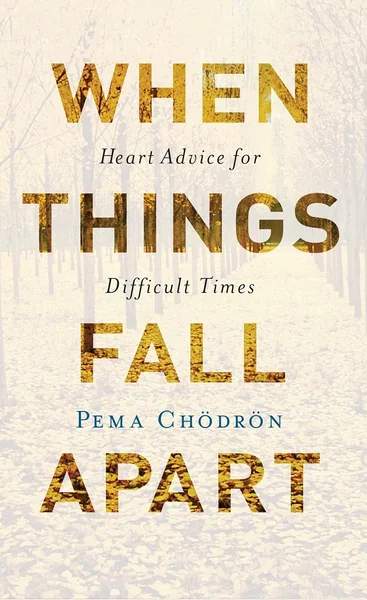
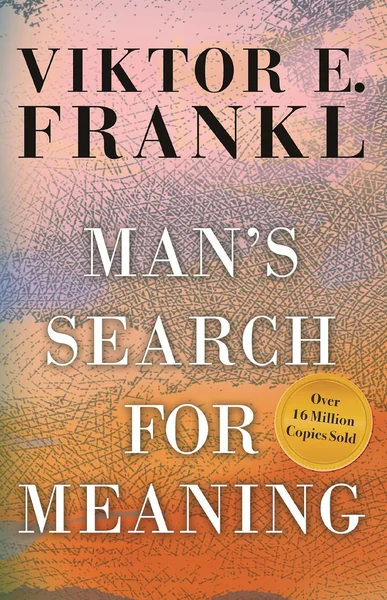
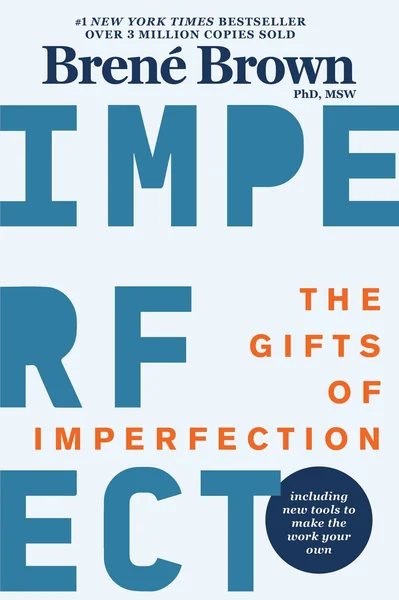
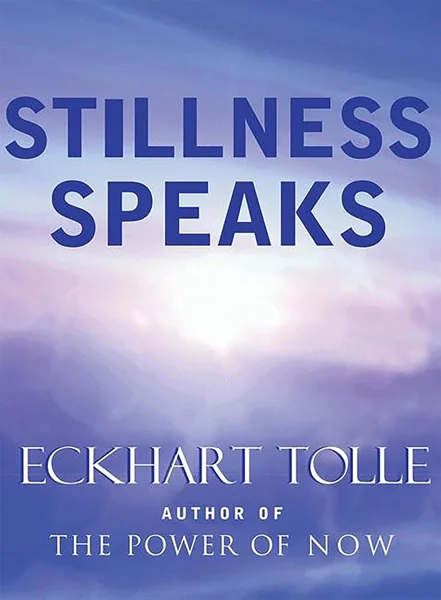
- Readers drawn to The Book of Joy will find natural companions in several titles. Pema Chödrön's When Things Fall Apart offers Buddhist-rooted guidance on finding groundedness amid pain and uncertainty, while Viktor E. Frankl's Man's Search for Meaning — another book in which survival of extreme suffering becomes the basis for a philosophy of purpose — provides a secular-philosophical parallel. Brené Brown's The Gifts of Imperfection approaches resilience and wholehearted living from a research-driven perspective, and Eckhart Tolle's Stillness Speaks distills contemplative wisdom into accessible, meditative prose. For a closer companion that shares the Dalai Lama's voice, The Art of Happiness (with Howard C. Cutler) and Desmond Tutu's No Future Without Forgiveness go deeper into each man's individual framework.
- Who should read this?
- The Book of Joy is designed for a broad general audience — anyone drawn to questions of happiness, resilience, and meaning who wants accessible wisdom rather than academic rigour. It will resonate particularly with readers interested in Buddhist or Christian spirituality, those navigating personal hardship, and readers curious about how two figures shaped by political oppression and exile have sustained joy across decades. It is equally appealing to secular readers willing to engage with cross-tradition perspectives, given the book's integration of scientific findings alongside spiritual teaching.
- Tell me about the adaptation
- In 2021, Netflix released Mission: Joy — Finding Happiness in Troubled Times, a documentary film based on the conversations captured during the same April 2015 week in Dharamsala that forms the book's core. The documentary extends the book's reach to viewers who prefer the spoken and visual register of the dialogue to the written narrative. A 2022 children's edition, The Little Book of Joy, further extended the book's cultural footprint, reflecting the depth of its impact across audiences and age groups.
- What are the main themes?
- At its core, The Book of Joy argues that lasting happiness is not the absence of suffering but is forged through it — a claim both men ground in lived experience of exile, oppression, and personal loss. The book explores fear, stress, anger, grief, illness, and death as the principal Obstacles of Joy before offering the Eight Pillars of Joy — qualities such as perspective, humility, humor, acceptance, forgiveness, gratitude, compassion, and generosity — as the foundation for genuine happiness. Running through everything is the theme of human connection: the friendship between the Dalai Lama and Archbishop Tutu is itself presented as evidence that warmth, humor, and mutual regard are not luxuries but spiritual practices.
- Do Buddhism and Christianity clash in the book?
- Rather than clashing, the Buddhist and Christian frameworks that the Dalai Lama and Archbishop Tutu each bring sit in productive tension throughout the book — they find striking common ground on compassion, forgiveness, and the nature of suffering, while leaving their theological differences respectfully intact. The book does not attempt to resolve the two traditions into a unified philosophical system, which the editorial assessment notes may feel incomplete to some readers but is also part of what makes the dialogue feel honest rather than artificially harmonious. For readers open to cross-tradition exploration, the contrast itself is one of the book's richest features.
Summarize this book
Follow up
Synthesized from verified book data & published reviews · How we review
What would you like to know about The Book of Joy?
Answers come from our editorial notes on this book. If we haven't covered something, we'll say so.
Readers often ask
Our Review
This review covers the book's content, premise and published critical reception, not a first-hand reading.
What the Book Actually Is
The Framework: Obstacles, Pillars, and Practices
The Weight Behind the Words
Reach and Cultural Impact
Who It Serves Best — and Where It Has Limits
Sources & Further Reading
The key facts and claims in this review are grounded in the retrieved, verified sources listed below.
- Cited in this review
- 1
- 2
ia600500.us.archive.org
- 3
en.wikipedia.org
- Further reading
- 4
- 5
- 6
- 7
greengroundswell.com
- 8
mentalhealthathome.org
- 9
- 10
Age & Reading Level
Recommended age
Adult
1 content note · who it suits
Content to know about
Skip if you want a systematic, academically rigorous treatment of positive psychology or theology rather than a warm, narrative-driven conversation.
Reader reviews
Be one of the first readers to answer.
Read it? Was it right for you?
Books like The Book of Joy
Curated picks for readers who enjoyed The Book of Joy, with our reasoning for each match.
More from the same writers


If you liked The Book of Joy