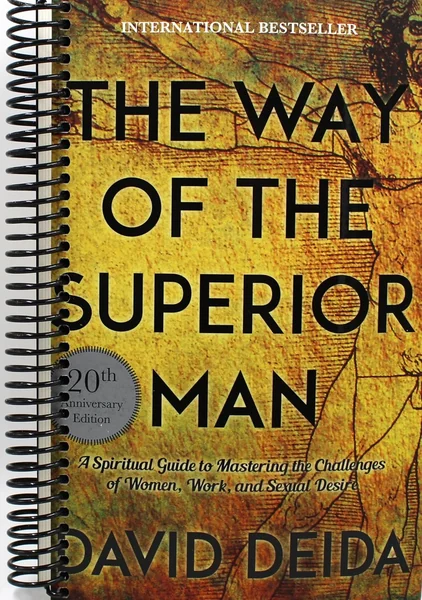
The Way of the Superior Man: A Spiritual Guide to Mastering the Challenges of
by David Deida
At a glance
LuvemBooks Verdict
Best for: Men drawn to a spiritually rooted, integrative framework — one that connects purpose and vocation with intimate relationships and sexual dynamics — who are open to exploring masculine and feminine as complementary energetic poles rather than seeking guidance grounded in empirical psychology or gender research.
Worth it? Skip it? Read the full verdict →Ask LuvemBooks
Was this helpful?
- Is it worth reading?
- For men seeking a framework that integrates spiritual development with practical questions about purpose, work, and intimate life, The Way of the Superior Man has demonstrated sustained relevance — over a million copies sold across two decades is not an accident. Its breadth, spanning career, family, sexuality, and spiritual practice in a single volume, makes it a wide-ranging reference rather than a narrow specialist text. However, readers who expect grounding in contemporary psychological research or gender theory will find it operates in a different register entirely — one rooted in spiritual philosophy. Those outside the heterosexual polarity model the book assumes may also find significant portions of the framework inapt for their circumstances.
- Similar books
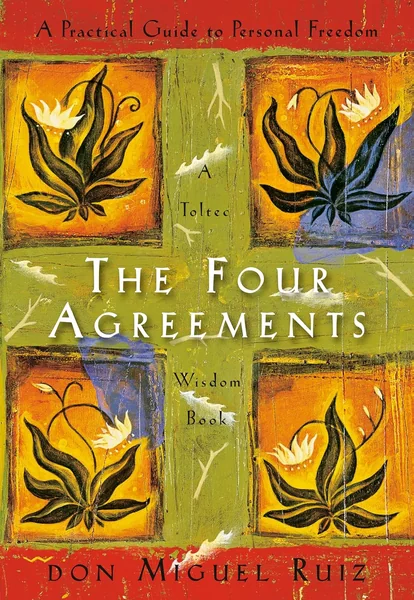
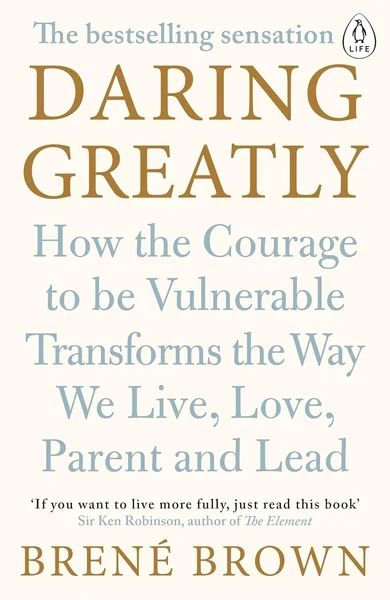
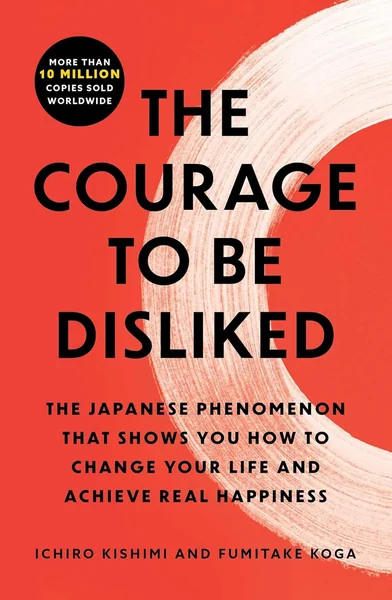
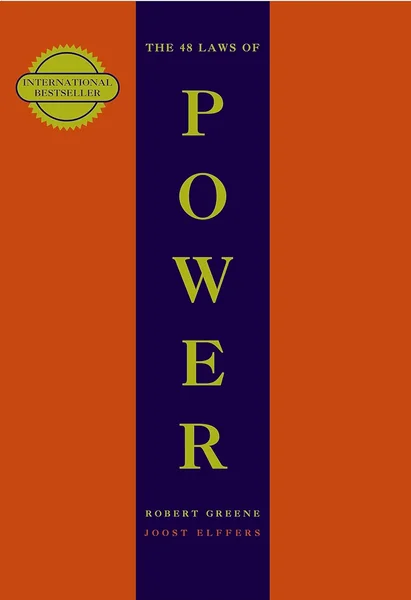
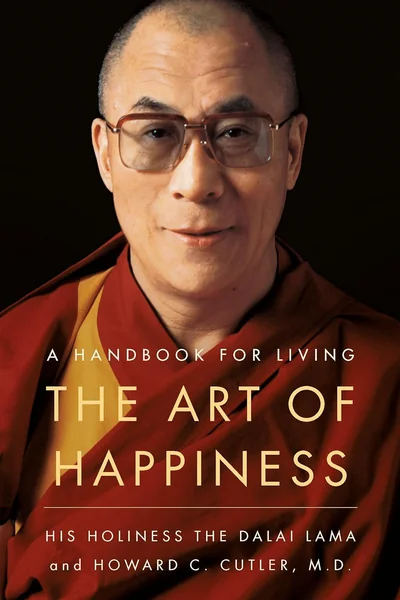
- Readers drawn to The Way of the Superior Man often gravitate toward other titles that blend personal philosophy with practical guidance. Don Miguel Ruiz's The Four Agreements offers a similarly compact, principle-driven framework for authentic living rooted in Toltec wisdom. The Art of Happiness by the Dalai Lama covers spiritual development and everyday conduct in a comparable integrative spirit. For readers interested in the psychology of courage and vulnerability, Brené Brown's Daring Greatly provides a research-backed but philosophically resonant counterpart. Robert Greene's The 48 Laws of Power and Ichiro Kishimi and Fumitake Koga's The Courage to Be Disliked also attract readers seeking frameworks for purposeful, self-directed living.
- Who should read this?
- The Way of the Superior Man is designed specifically for men seeking a framework that integrates spiritual development with practical questions about purpose, work, and intimate life — particularly those drawn to a model in which masculine and feminine energies are understood as complementary and generative forces. It will resonate most strongly with readers open to a spiritual-philosophical register rather than empirical self-help. Men who identify with the heterosexual polarity model at the book's core will find the most direct relevance; readers outside that model, or those who prioritise contemporary gender research, may find significant portions of the framework inapt for their circumstances.
- About David Deida
- David Deida is an American author who writes about the sexual and spiritual growth of men and women.
- What are the main themes?
- The Way of the Superior Man centres on five interlocking domains Deida identifies as most consequential for a man's life: career and vocation, family, intimate relationships with women, sexuality, and spiritual practice. Overarching these domains is the book's core challenge — "to unify heart and spine" — framing authentic masculine living as a simultaneous commitment to emotional openness and unwavering direction. The masculine/feminine polarity framework runs throughout, presenting the interplay between these energetic poles as the engine of both intimacy and personal growth. A recurring emphasis is that male sexuality and spiritual development should not be separated into distinct, sanitised categories — a position that endorser Mariana Caplan notes is rare in the field.
- Is this a good book club pick?
- The Way of the Superior Man can make a stimulating book club pick for groups specifically interested in men's spirituality, masculinity, or the intersection of sexuality and spiritual development — its polarity framework and broad claims about masculine and feminine energies are inherently discussion-generative. Endorser Mariana Caplan's prediction that the book "will offend and infuriate some, inspire and test others" suggests the material tends to provoke strong reactions, which can fuel lively group conversation. Mixed-gender groups should be prepared for divergent responses to the heterosexual polarity model at its core. Groups seeking empirically grounded frameworks or gender-inclusive models may find the discussion tilts more toward critique than application.
Summarize this book
Follow up
Synthesized from verified book data & published reviews · How we review
Press Enter to ask. Answers come from our editorial Q&A — start typing to see related questions.
Age & Reading Level
Recommended age
Adult
Reading level
Adult
2 content notes · who it suits
Content to know about
Best for: Adults — the book's sustained focus on male sexuality, intimate relationships, and spiritual philosophy is oriented toward adult readers.
Skip if you want a self-help framework grounded in empirical psychology, contemporary gender research, or inclusive of non-heterosexual and non-binary experiences.
Editorial Review
David Deida's The Way of the Superior Man is a long-selling spiritual guidebook for men that addresses career, intimate relationships, sexuality, and purpose through the lens of masculine spirituality; having sold over a million copies, its 20th Anniversary Edition — published by Sounds True / St. Martin's Essentials and featuring a new introduction by Deida — brings its central challenge to a new generation of readers, though its framework of polarity between masculine and feminine energies remains a point of genuine debate.
Read the Full ReviewBooks like The Way of the Superior Man
Curated picks for readers who enjoyed The Way of the Superior Man, with our reasoning for each match.
If you liked The Way of the Superior Man