8 min read
Share This Review
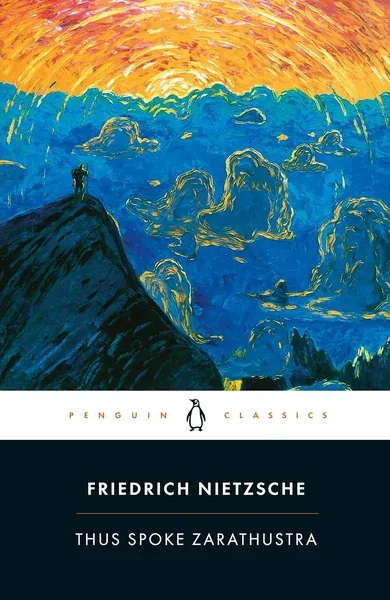
Our review
Thus Spoke Zarathustra
Thus Spoke Zarathustra: A Book for Everyone and No One Review: Accessible Yet Elusive
Nietzsche's Thus Spoke Zarathustra: A Book for Everyone and No One sends the prophet Zarathustra down from his mountain to announce that God is dead and the Superman is his successor. Penguin calls it accessible, while Wikipedia stresses how figurative and contested its meaning is.
LuvemBooks Verdict
Best for
Readers who want philosophy delivered as scripture-like parable and poetry, and who are content to wrestle with figurative claims and return to the book over time rather than extract a tidy doctrine.
Worth it if
Worth reading if you accept that it asks for interpretation, ideally in an edition with a scholarly introduction and notes, and you want the book where Nietzsche's death-of-God and Superman ideas first take dramatic shape.
Skip if
Skip it if you want a systematic argument with clear premises and conclusions, or have little patience for long runs of Zarathustra talking at people in symbolism that can be hard to crack.
What readers & critics say
The one reader review we retrieved, from the book blogger behind Bernie Gourley's site, leans positive at four stars: it finds the book both abstruse and readable, slow to start but clearer as it goes, and recommends a heavily annotated edition. The Eternalised blogger calls it one of the most fascinating and creative works in western philosophy, while Wikipedia stresses that its figurative style leaves no consensus on what Zarathustra means.
Sources: Bernie Gourley's blog, Eternalised, WikipediaAsk LuvemBooks
Was this helpful?
- Is it worth reading?
- For readers who want scripture or poetry with philosophical force, yes. The Eternalised blogger calls it one of the most fascinating and creative pieces of work in western philosophy, and says Nietzsche counted it his favourite of his creations, written in about ten days in bursts of inspiration. The sources split on how easy it is: Penguin Random House presents it as his most accessible work, while Wikipedia says there is no consensus about what Zarathustra means when he speaks, so expect to argue with it rather than absorb a settled doctrine.
- Similar books
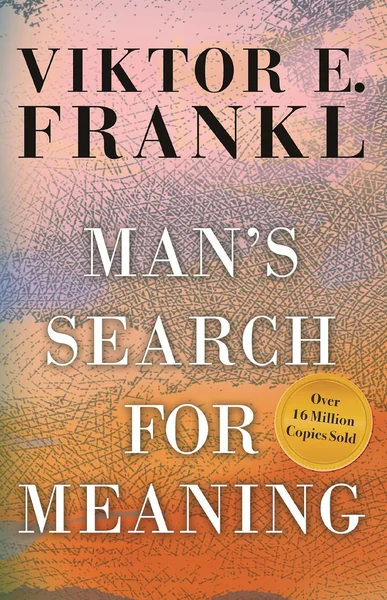
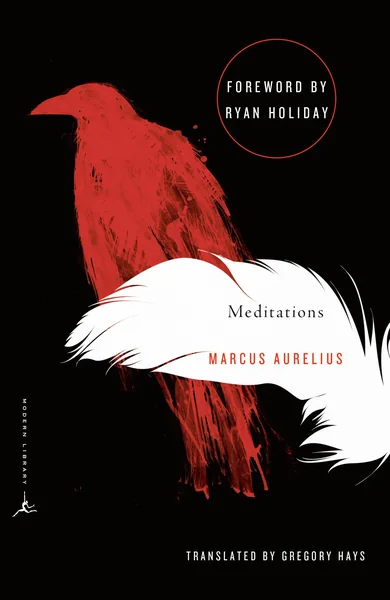
- Beyond Good and Evil is the natural next step within Nietzsche's own work and is reviewed here at LuvemBooks. Nietzsche's earlier The Gay Science is where eternal recurrence is introduced as 'the greatest weight,' though the sources do not call it an easier read. For adjacent reflections on how to live and find meaning, Marcus Aurelius's Meditations and Viktor Frankl's Man's Search for Meaning are the closest fits among the books reviewed here.
- Who should read this?
- It suits readers who want philosophy delivered as parable and poetry, who are content to wrestle with figurative claims, and who will return to the book rather than extract a tidy doctrine. It also suits anyone who wants the book where the death-of-God, Superman and will-to-power ideas first take dramatic shape. Readers wanting premises and conclusions laid out clearly will likely be frustrated.
- What age is it for?
- This is a book written for adults, and no source we found gives a recommended age. The difficulty is interpretive: dense symbolism and abstract claims about the Superman that reward a mature reader. A reader encountering it young would benefit from an edition with notes, since Penguin Random House notes its themes were later twisted by Nazi intellectuals.
- About Friedrich Nietzsche
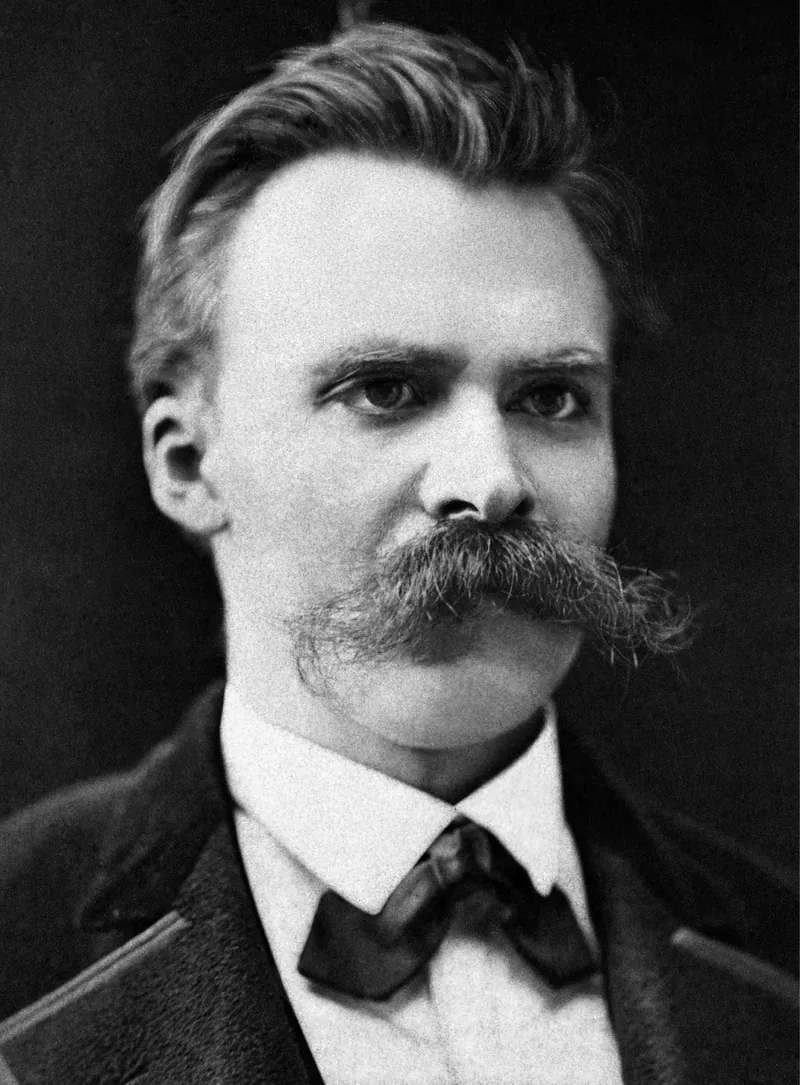
- Friedrich Wilhelm Nietzsche was a German philosopher and writer who started his career as a classical philologist and turned to philosophy early in his academic career.
- Why do readers need guidance on its history?
- Penguin Random House describes the book as misquoted and misrepresented, saying that the 'God is dead' utterance, the insistence that life's meaning lies in purely human terms, and the doctrines of the Superman and the will to power were later seized upon and twisted by, among others, Nazi intellectuals. Because the interpretive space leaves room for varied readings, an edition with introduction and notes gives useful grounding.
- Why can't critics agree on what it means?
- The explanations and claims given by the character are almost always analogical. There is some consensus about what Zarathustra speaks about, but none about his significance. That open-endedness is part of what the book offers, though it makes it a poor fit for readers wanting certainty.
Summarize this book
Follow up
Synthesized from verified book data & published reviews · How we review
What would you like to know about Thus Spoke Zarathustra?
Answers come from our editorial notes on this book. If we haven't covered something, we'll say so.
Readers often ask
Our Review
What happens in Thus Spoke Zarathustra: A Book for Everyone and No One?
Why does Zarathustra matter in Nietzsche's work?
Is Thus Spoke Zarathustra: A Book for Everyone and No One hard to read?
How has the book been misread?
Is Thus Spoke Zarathustra: A Book for Everyone and No One worth reading?
Sources & Further Reading
The key facts and claims in this review are grounded in the retrieved, verified sources listed below.
- 1
Friedrich Nietzsche, LuvemBooks
- 2
en.wikipedia.org
- 3
penguinbookshop.com
- 4
eternalisedofficial.com
- 5
- 6
- 7
- 8
- 9
- 10
Bernie Gourley's blog
Age & Reading Level
Our age band
Adult
Our age band groups books for browsing; it isn't an age a review gave.
2 content notes · who it suits
Content to know about
Skip if you want a systematic argument with clear premises and conclusions rather than parables and refrains.
Reader reviews
Be one of the first readers to answer.
Read it? Was it right for you?
Books like Thus Spoke Zarathustra
Curated picks for readers who enjoyed Thus Spoke Zarathustra, with our reasoning for each match.
More by Friedrich Nietzsche
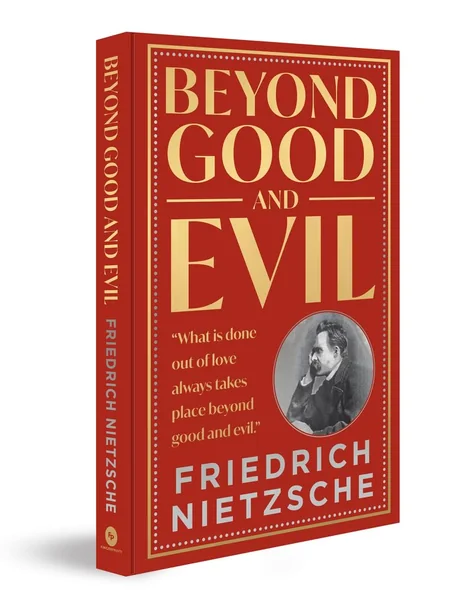

If you liked Thus Spoke Zarathustra