
At a glance

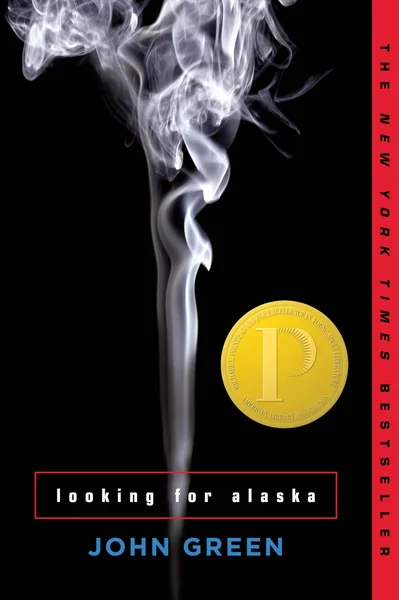
Looking for Alaska
by John Green
LuvemBooks Verdict
Best for: Readers aged 16 and up who want young adult fiction that takes adolescent grief, moral ambiguity, and philosophical inquiry as seriously as adult literary fiction — particularly those drawn to structurally inventive storytelling and John Green's wider body of work.
Worth it? Skip it? Read the full verdict →Ask LuvemBooks
Was this helpful?
- Is it worth reading?
- For readers drawn to young adult fiction that treats adolescent grief and moral ambiguity with the seriousness usually reserved for adult literary fiction, Looking for Alaska remains a defining text. The American Library Association honored it with the 2006 Michael L. Printz Award for literary excellence, and it has been named to TIME magazine's 100 Best Young Adult Novels of All Time, PBS's Great American Read, and Critics Best-Ever Teen Novels. Critics described it as "a showcase to the raw talent John Green has, the kind of talent that can make you close the crisp last page of a novel and come out as a different person." The key caveat: the novel deliberately withholds resolution on its central questions of grief, responsibility, and meaning — readers expecting tidy answers will find the ending intentionally open.
- Similar books
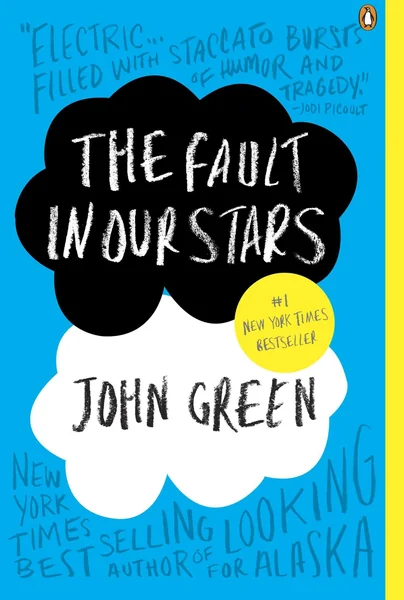
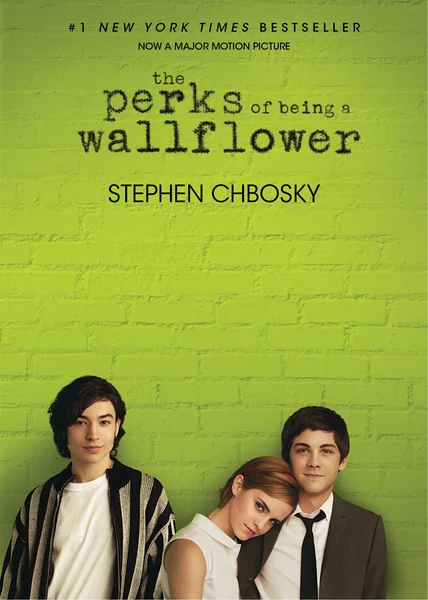
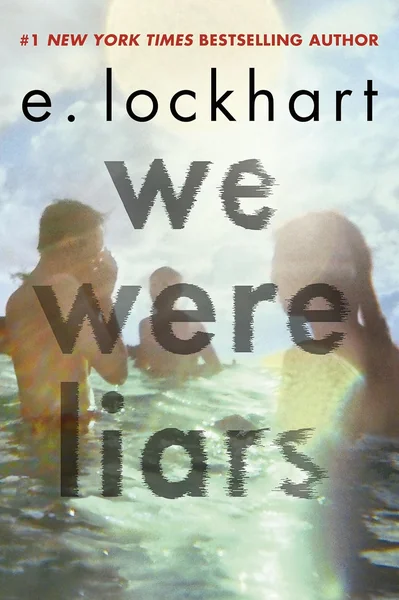
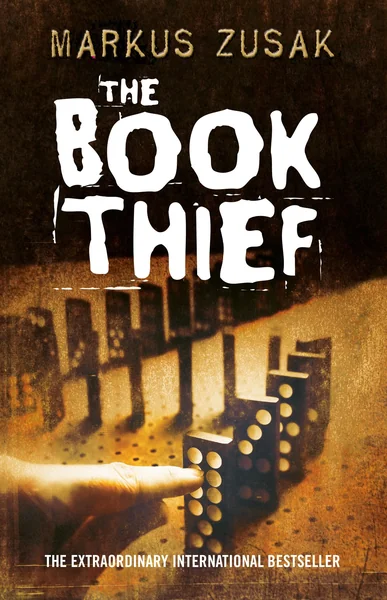
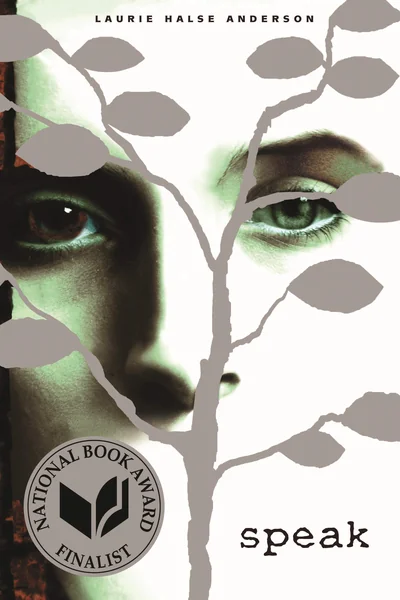
- Readers who respond to Looking for Alaska's blend of adolescent grief, moral ambiguity, and literary ambition will find strong companions in several of the curated titles below. The Fault in Our Stars by John Green revisits his signature themes of teenage loss and philosophical inquiry in a more emotionally direct register. The Perks of Being a Wallflower by Stephen Chbosky shares the boarding-school intimacy and raw emotional honesty, while We Were Liars by E. Lockhart deploys a similarly devastating structural reveal around a group of close teenage friends. The Book Thief by Markus Zusak offers the same seriousness of purpose in its treatment of death and meaning, and Speak by Laurie Halse Anderson is another landmark YA novel that handles difficult, mature themes with unflinching literary craft.
- Who should read this?
- Looking for Alaska is written for mature young adult readers — particularly those aged 16 and up — who are drawn to fiction that treats grief, moral responsibility, and the search for meaning with the seriousness usually reserved for adult literary fiction. It rewards readers who appreciate structural experimentation, philosophical depth embedded in character (Miles's obsession with famous last words and Simón Bolívar's dying words is central to the novel's intellectual texture), and emotional honesty that resists easy resolution. It is not recommended for readers who need narrative closure or who are sensitive to profanity and sexually explicit content. Educators and parents selecting it for classroom or home use should approach the publisher's 16+ guidance deliberately.
- What age is it for?
- Best for readers aged 16 and up — the publisher's listed reading age is 16+, and the American Library Association identified the novel as the fourth-most challenged book in the United States between 2010 and 2019, with profanity and a sexually explicit scene most frequently cited. PEN America documented 97 bans in public schools between July 2021 and June 2024, making it the second-most banned book in that period. The novel's mature content and deliberately unresolved treatment of grief, moral responsibility, and death make it unsuitable for all YA audiences, and parents or educators selecting it for younger teenagers should approach that context deliberately.
- About John Green
- John Michael Green is an American author and YouTuber.
- Tell me about the adaptation
- Looking for Alaska was adapted as a Hulu Original miniseries, released in October 2019 — nearly fifteen years after the novel's original publication in 2005. The adaptation brought the story to a new audience and is cited as a measure of how durably the novel has held its place in the culture. The miniseries format allowed the story's "Before" and "After" structure to be preserved in episodic form, staying close to the novel's central conceit of building toward and then reconstructing the night of Alaska's death.
- What are the main themes?
- The novel's central themes are grief, moral responsibility, and the search for meaning in the aftermath of sudden loss. Green structures the narrative around the question of how one rationalizes — in the words framing the novel's "After" section — "the harshness and messiness of life when one has, through stupid, thoughtless, and very human actions, contributed to that very harshness." Embedded throughout is a philosophical inquiry drawn from famous last words: Miles's obsession with figures including President John Adams, Emily Dickinson, Oscar Wilde, and Simón Bolívar gives the novel an intellectual texture unusual in the genre, and Bolívar's dying words become the lens through which Miles attempts to escape what Green calls "the labyrinth."
- How does it compare to The Fault in Our Stars?
- Both novels center on teenage grief and philosophical inquiry, but they arrive at those themes through different structural and emotional strategies. Looking for Alaska — Green's debut — withholds resolution deliberately and embeds its philosophy in Miles's obsession with famous last words and the ambiguous circumstances of Alaska's death, making it the more formally experimental and emotionally demanding of the two. The Fault in Our Stars is more emotionally direct in its treatment of loss and has a slightly more conventional narrative arc, which has made it the more widely accessible entry point to Green's work. Critics identified Looking for Alaska as the novel that announced Green's arrival as a major voice; The Fault in Our Stars is where that voice reached its widest audience.
Summarize this book
Follow up
Synthesized from verified book data & published reviews · How we review
Press Enter to ask. Answers come from our editorial Q&A — start typing to see related questions.
Age & Reading Level
Recommended age
Ages 12–18
Reading level
Young adult
4 content notes · who it suits
Content to know about
Best for: Mature 16+ — contains a sexually explicit scene, profanity, and an unflinching portrayal of teenage death and moral culpability; the publisher's listed reading age is 16 and up, and the ALA identified it as the fourth-most challenged book in the U.S. between 2010 and 2019 on those grounds.
Skip if You need a story with clear moral resolution and narrative closure after a character's death.
Editorial Review
Looking for Alaska, John Green's debut novel and winner of the 2006 Michael L. Printz Award, follows Miles "Pudge" Halter to a boarding school where his friendship with the magnetic Alaska Young, Chip "The Colonel" Martin, and Takumi Hikohito is defined and then devastated by Alaska's sudden death — a structural and emotional design that established Green as a major voice in contemporary young adult fiction and earned the novel a place on the New York Times and USA Today bestseller lists, TIME magazine's 100 Best Young Adult Novels of All Time, and Critics Best-Ever Teen Novels.
Read the Full ReviewBooks like Looking for Alaska
Curated picks for readers who enjoyed Looking for Alaska, with our reasoning for each match.
If you liked Looking for Alaska

Why It’s Trending
Looking for Alaska Is Having a Moment on TikTok Right Now
John Green's debut novel is circulating again on TikTok, with clips of Alaska Young's most memorable quotes racking up views. Readers who missed it the first time — or just want to revisit it — are picking it up all over again.