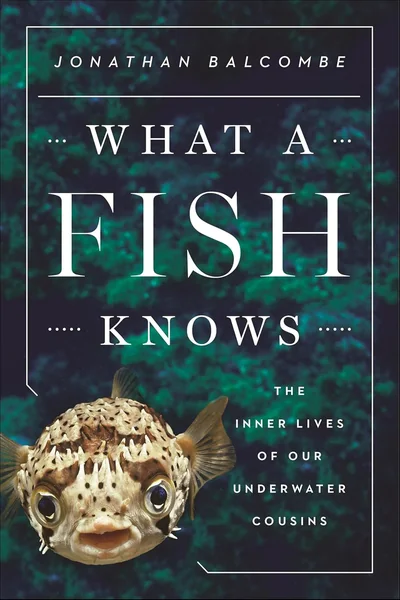
At a glance

LuvemBooks Verdict
Best for: General readers — aquarists, anglers, marine conservationists, or anyone curious about animal cognition — who want an accessible but rigorously sourced introduction to the science of fish sentience and behavior.
Worth it? Skip it? Read the full verdict →Ask LuvemBooks
Was this helpful?
- Is it worth reading?
- For readers curious about animal cognition, marine biology, or conservation, What a Fish Knows is a compelling and well-sourced entry point — its New York Times bestseller status reflects genuine reach beyond specialist audiences. Critics credited Balcombe with making 'a convincing case that fish possess minds and memories, are capable of planning and organizing, and cooperate with one another in webs of social relationships,' and David Profumo in Literary Review called it a 'sparkling exposition.' The one real caveat is that the book's arc leads toward ethical advocacy in its final sections, which may surprise readers expecting purely descriptive zoology.
- Similar books
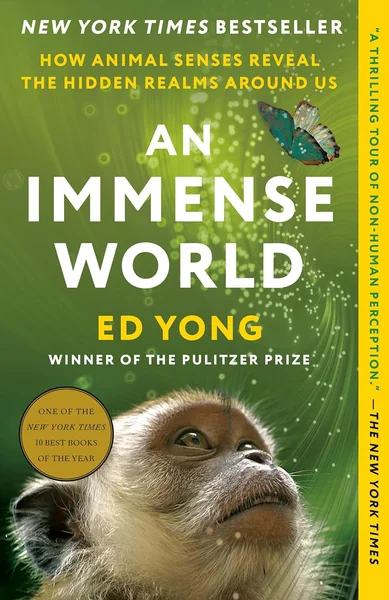
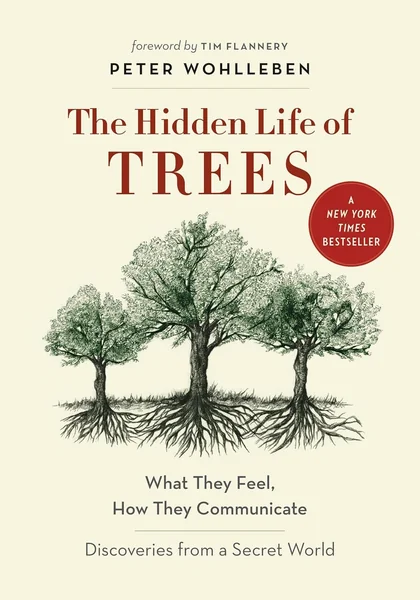
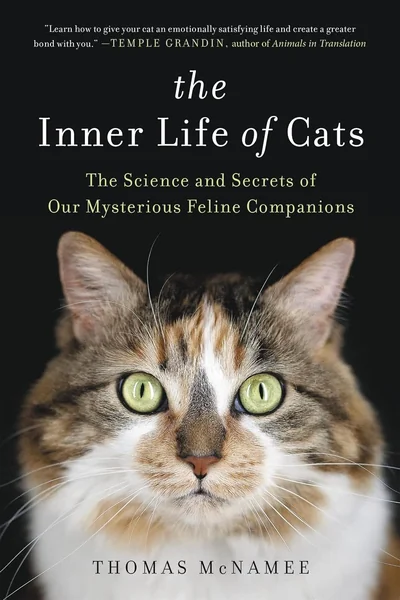
- Readers who enjoy What a Fish Knows will find natural companions in Ed Yong's An Immense World: How Animal Senses Reveal the Hidden Realms Around Us, which similarly uses the latest sensory research to reframe how non-human animals experience the world. Frans de Waal's Are We Smart Enough to Know How Smart Animals Are? covers overlapping territory on animal cognition with comparable scientific rigor. Peter Wohlleben's The Hidden Life of Trees: What They Feel, How They Communicate applies the same 'hidden inner life' framework to the plant kingdom, and Thomas McNamee's The Inner Life of Cats: The Science and Secrets of Our Mysterious Feline Companions brings a similar ethological lens to a domestic species. For readers drawn to the book's commitment to evidence-based thinking, Carl Sagan's The Demon-Haunted World: Science as a Candle in the Dark offers broader context on scientific skepticism and the dismantling of popular myths.
- Who should read this?
- What a Fish Knows is designed for general readers with an interest in animal cognition, marine biology, or conservation, and requires no scientific background. Aquarists, anglers, and marine conservationists will find its questions speak directly to their experience, as will anyone who has paused to wonder what the fish in a tank or stream might actually be experiencing. It is less suited to readers seeking a purely descriptive zoological reference without ethical dimension, or those wanting sustained deep-dives into a single species or habitat.
- About Jonathan Balcombe
- Jonathan Balcombe is an ethologist and author.
- What are the main themes?
- The book's central themes are animal sentience, cognitive complexity, and moral consideration — specifically as they apply to fishes, a group historically dismissed as unfeeling. Balcombe explores fish perception, memory, social bonds, cooperative hunting, tool use, deception, and pain, arguing that popular assumptions about fish intelligence and awareness are not just wrong but ethically consequential. A secondary theme is the gap between scientific evidence and public perception: the book systematically shows how breakthroughs in ethological research have outpaced the mainstream image of fishes as 'unfeeling, dead-eyed feeding machines.'
- Does it go deep or stay broad?
- What a Fish Knows is deliberately broad — it covers more than thirty thousand species across habitats from tide pools to the deep ocean, which is part of what earned it praise for showing the range and diversity of fish life. The trade-off, as the review notes, is that individual topics and ecosystems receive limited depth before the narrative moves on, which may frustrate readers seeking sustained focus on a single species group or habitat. The book is structured to build a cumulative argument about fish inner life rather than to serve as a reference work on any particular fish.
Summarize this book
Follow up
Synthesized from verified book data & published reviews · How we review
Press Enter to ask. Answers come from our editorial Q&A — start typing to see related questions.
Age & Reading Level
Recommended age
Adult
Reading level
Adult
1 content note · who it suits
Content to know about
Skip if you want a purely descriptive zoological survey without ethical advocacy or conservationist conclusions.
Editorial Review
Jonathan Balcombe's What a Fish Knows, a New York Times bestseller published by Scientific American / Farrar, Straus and Giroux, is a science-driven popular nonfiction work that systematically dismantles the idea that fishes are unfeeling, cognitively simple creatures, marshaling the latest ethological research to reveal their capacity for perception, feeling, thought, social bonds, and even tool use.
Read the Full ReviewBooks like What a Fish Knows
Curated picks for readers who enjoyed What a Fish Knows, with our reasoning for each match.
If you liked What a Fish Knows