8 min read
Share This Review
Our review
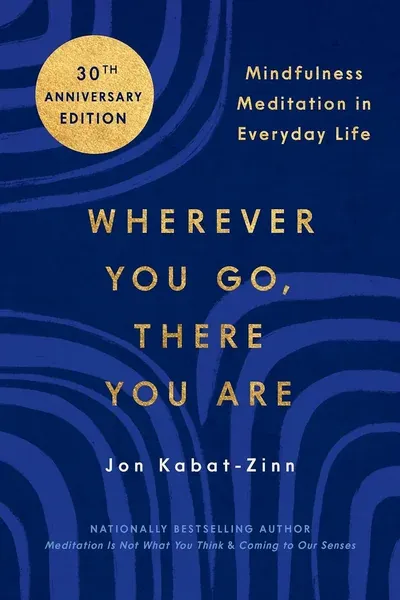
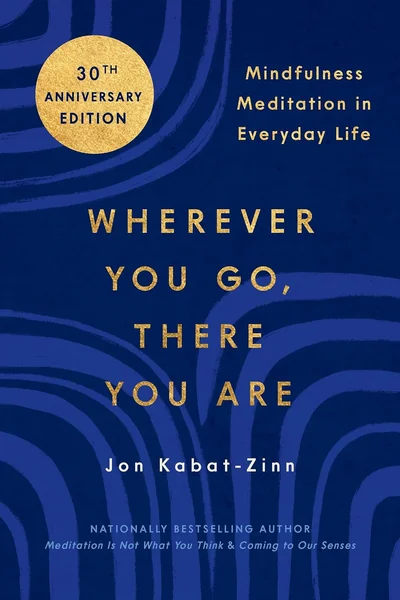
Wherever You Go, There You Are
Wherever You Go, There You Are by Jon Kabat-Zinn Review: A Foundational Mindfulness Guide That Endures
Originally published in 1994 and now in its 11th edition, Wherever You Go, There You Are remains one of the most enduring and widely read introductions to mindfulness meditation in everyday life, drawing on Jon Kabat-Zinn's medical research background to make the practice accessible to beginners and seasoned practitioners alike. This review is based on the book's documented content and published reception, not hands-on application.
LuvemBooks Verdict
Best for
Readers who want a science-grounded, non-dogmatic introduction to mindfulness that doubles as a lifelong reference — equally useful whether they have never sat in meditation or have practiced for years.
Worth it if
Worth reading if you want to fundamentally reframe your relationship to attention and daily experience, and are open to a reflective, essay-driven approach rather than a rigid step-by-step program.
Skip if
Skip it if you need a structured, week-by-week curriculum with clear milestones and prescriptive techniques, or if you are looking for the clinical depth of Kabat-Zinn's own Full Catastrophe Living.
What readers & critics say
Wikipedia's overview positions the book as a scientifically grounded guide that made meditation accessible to both beginners and longtime practitioners, crediting Kabat-Zinn's medical background at UMass for lending the subject institutional credibility. Inquiring Mind describes it as "a wonderful offering that makes mindfulness practice accessible to the neophyte and also reminds more experienced practitioners of the value of being present," while mentalhealthathome.org offers a more measured note, finding it less practically useful for readers seeking concrete at-home mindfulness exercises.
Sources: Wikipedia, Inquiring Mind, Mental Health at Home, Spirituality & Practice, About Meditation, Burn the Fat Inner CircleAsk LuvemBooks
Was this helpful?
- Is it worth reading?
- For readers open to a reflective, essay-driven approach to mindfulness, Wherever You Go, There You Are is one of the most enduring introductions to the field — a national bestseller that has remained in continuous print for over thirty years and sold more than 750,000 copies. Its value lies in reframing the reader's relationship to attention and presence rather than delivering a rigid sequence of techniques. Readers who want a structured, week-by-week curriculum with measurable milestones may find the format too discursive, and those seeking a more clinical framework would be better served by Kabat-Zinn's Full Catastrophe Living.
- Similar books
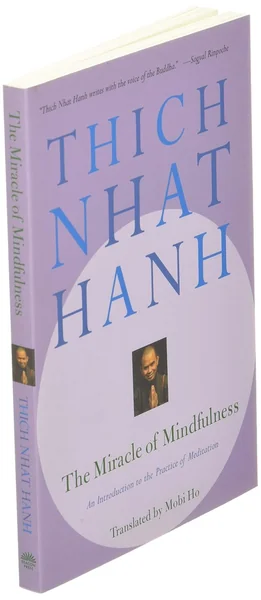
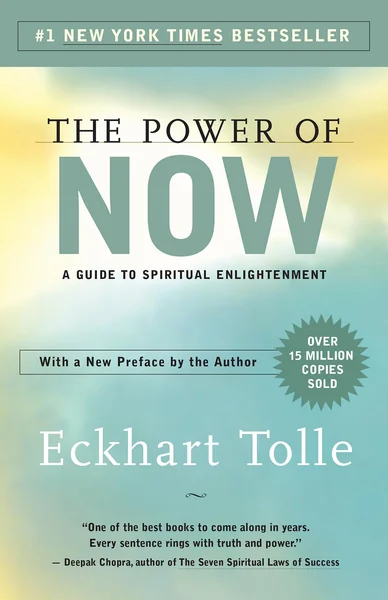
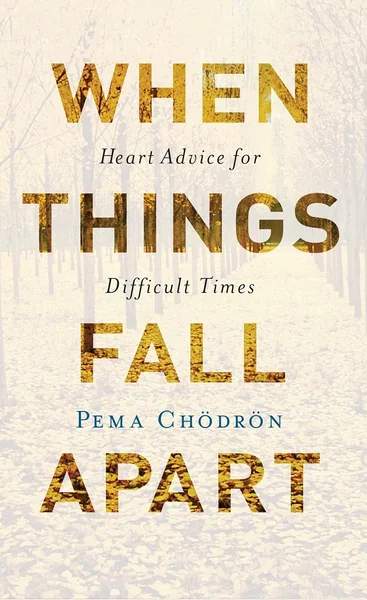
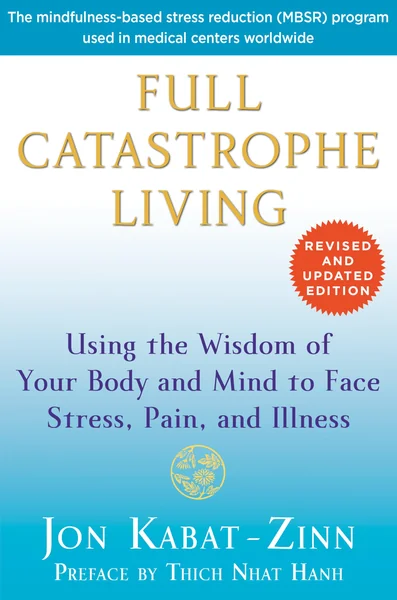
- Readers drawn to Wherever You Go, There You Are will find strong companions in several of the curated titles below. Full Catastrophe Living by Jon Kabat-Zinn covers related ground in a more clinical, structured framework focused on stress, pain, and illness. Thich Nhat Hanh's The Miracle of Mindfulness offers a similarly accessible, non-dogmatic introduction to mindfulness practice from a contemplative perspective. Eckhart Tolle's The Power of Now shares the emphasis on present-moment awareness as a transformative orientation. Pema Chödrön's When Things Fall Apart brings a compassionate, Buddhist-influenced lens to working with difficulty in daily life — a natural companion for readers drawn to Kabat-Zinn's non-judgmental approach.
- Who should read this?
- Wherever You Go, There You Are is suited to adult readers at any level of familiarity with meditation — from those encountering mindfulness for the first time to experienced practitioners looking for a reflective reference they can revisit across life stages. It will resonate particularly with readers interested in the intersection of science and contemplative practice, given Kabat-Zinn's medical research background at UMass. Readers who want a clinical protocol or a structured week-by-week program should instead start with Full Catastrophe Living; those who want a philosophical reorientation to daily attention will find this book more rewarding.
- About Jon Kabat-Zinn
- Jon Kabat-Zinn (born June 5, 1944) is an American scientist, writer, and meditation teacher, and professor emeritus of medicine at the University of Massachusetts Medical School.
- How does this compare to Full Catastrophe Living?
- Both books are by Jon Kabat-Zinn and draw on his medical research at the University of Massachusetts Medical School, but they occupy different registers. Full Catastrophe Living is more clinical and structured, addressing stress, pain, and illness within a framework directly tied to his Stress Reduction Clinic. Wherever You Go, There You Are is more philosophical and reflective — organized around short meditative essays rather than a prescribed program — making it a broader orientation to mindfulness as a way of daily life rather than a clinical protocol.
- What are the main themes?
- The book's central themes are present-moment awareness, non-judgmental attention, and the integration of mindfulness into the fabric of ordinary daily life rather than isolated meditation sessions. Kabat-Zinn also explores the relationship between scientific evidence and contemplative tradition, arguing that mindfulness is supported by medical research — including his own work at UMass — without requiring readers to adopt any belief system. A broader theme running through the text is the shift from mindfulness as a personal self-help tool to a larger orientation toward community and health, a dimension noted in published reception of the work.
Summarize this book
Follow up
Synthesized from verified book data & published reviews · How we review
What would you like to know about Wherever You Go, There You Are?
Answers come from our editorial notes on this book. If we haven't covered something, we'll say so.
Readers often ask
Our Review
What the Book Actually Is and Argues
Significance and Place in the Field
Strengths: Accessibility and Scope of Audience
Kabat-Zinn's Voice and Conceptual Approach
Who It Is For — and Where It Has Limits
Sources & Further Reading
The key facts and claims in this review are grounded in the retrieved, verified sources listed below.
- 1
- 2
- 3
- 4
spiritualityandpractice.com
- 5
- 6
mentalhealthathome.org
- 7
- 8
- 9
- 10
- 11
Inquiring Mind
- 12
About Meditation
Age & Reading Level
Our age band
Adult
Our age band groups books for browsing; it isn't an age a review gave.
Reader reviews
No LuvemBooks readers have answered yet.
Read it? Was it right for you?
Books like Wherever You Go, There You Are
Curated picks for readers who enjoyed Wherever You Go, There You Are, with our reasoning for each match.
If you liked Wherever You Go, There You Are