The Simpsons and Philosophy: The D'oh! of Homer (Popular Culture by
by William Irwin, Mark T. Conard, Aeon J. Skoble
At a glance
About the Author
William Irwin, Mark T. Conard, Aeon J. Skoble1 book reviewed
The Simpsons and Philosophy
The D'oh! of Homer (Popular Culture by
by William Irwin, Mark T. Conard, Aeon J. Skoble
LuvemBooks Verdict
Best for: Simpsons fans curious about Western philosophy — and philosophy students or instructors looking for an engaging, pop-culture-grounded entry point into thinkers from Aristotle to Nietzsche.
Worth it? Skip it? Read the full verdict →Ask LuvemBooks
Was this helpful?
- Is it worth reading?
- For anyone curious about Western philosophy and already fond of The Simpsons, the collection delivers on its central promise: grounding abstract philosophical concepts in characters and storylines already familiar to a mass audience. Its sales record of over 203,000 copies and adoption in university courses — including as a core text in Siena Heights University's 'Animated Philosophy and Religion' course — confirm that it functions credibly in both popular and academic settings. The inherent unevenness of an eighteen-contributor anthology means not every essay lands with equal force, and the analysis stops at the show's first decade. Neither limitation cancels the book's genuine achievement in bridging popular culture and formal philosophical discourse.
- Similar books
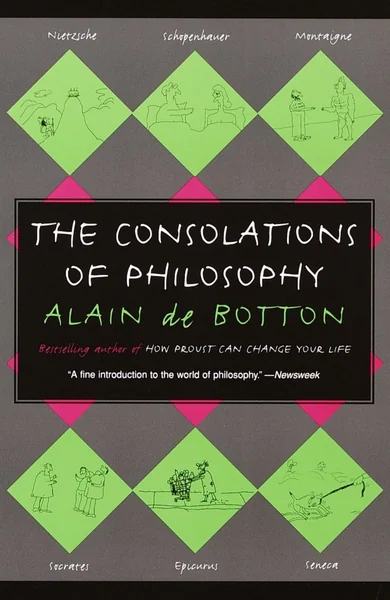
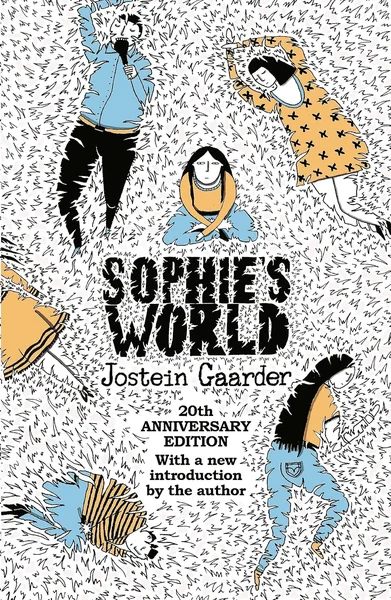
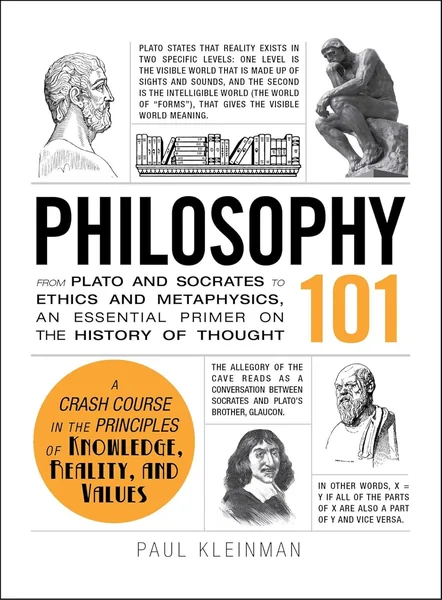
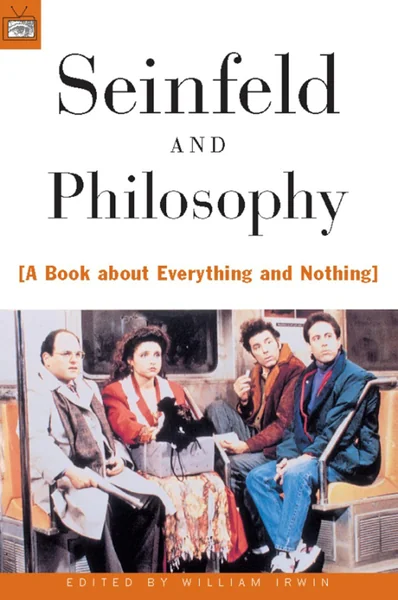
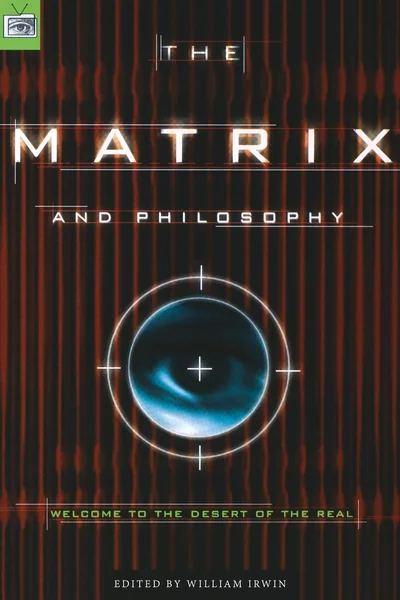
- Readers who enjoyed this volume's approach will find natural companions in the same series: William Irwin's Seinfeld and Philosophy: A Book about Everything and Nothing applies the same Popular Culture and Philosophy framework to another iconic sitcom, while The Matrix and Philosophy: Welcome to the Desert of the Real, also edited by Irwin, does the same for the Wachowski film. For those drawn more to the philosophical side than the pop-culture lens, Alain de Botton's The Consolations of Philosophy offers an accessible tour of Western thought, and Jostein Gaarder's Sophie's World is a widely acclaimed narrative introduction to the history of philosophy. Paul Kleinman's Philosophy 101 serves as a useful companion reference for readers who want a more structured primer alongside the Simpsons essays.
- Who should read this?
- The collection is designed for two overlapping audiences: devoted fans of The Simpsons who want a serious framework for thinking about why the show resonates, and philosophy students or educators looking for an engaging supplementary text. Booklist critics confirmed it 'makes erudite concepts accessible by viewing things through the lens of a great cartoon series,' and its adoption in university courses — including Siena Heights University's 'Animated Philosophy and Religion' — shows it holds up in formal academic settings. Readers seeking a single sustained philosophical argument, or those whose connection to The Simpsons is primarily through its post-2001 seasons, will find the fit less exact.
- What are the main philosophical themes?
- The eighteen essays span a wide range of Western philosophical territory. Several pieces draw direct comparisons between Springfield's characters and canonical thinkers: Homer Simpson is weighed against Aristotelian ethics, and Bart Simpson is examined alongside Nietzsche. Other essays address pleasure and what gives human beings fundamental satisfaction — with Homer's near-universal appeal used as a case study — as well as religion, explored through Homer's guilt over skipping church and Ned Flanders's experience of tragedy despite devout adherence to scripture. The collection also engages with broader philosophical statements the show makes and with questions of sexuality in politics.
- Is this used in universities?
- Yes — the book's academic utility is documented. Siena Heights University incorporates it as one of the main texts in a course titled 'Animated Philosophy and Religion,' and it is used in philosophy courses at various other universities. This adoption reflects its dual design: the editors structured the collection so that academic rigour and cultural familiarity reinforce each other, making it credible as an assigned text without sacrificing accessibility for general readers.
- How does this fit in the Popular Culture and Philosophy series?
- The Simpsons and Philosophy is the second volume in Open Court's Popular Culture and Philosophy series — a series that has since grown to eighty titles. It is, by a wide margin, the bestselling entry in the series, with over 203,000 copies sold. That commercial and critical success helped establish the template for the volumes that followed, including other entries edited by William Irwin such as Seinfeld and Philosophy and The Matrix and Philosophy.
Summarize this book
Follow up
Synthesized from verified book data & published reviews · How we review
Press Enter to ask. Answers come from our editorial Q&A — start typing to see related questions.
Age & Reading Level
Recommended age
Adult
Reading level
Adult
who it suits
Skip if you want a single sustained philosophical argument rather than an episodic anthology of independent essays.
Editorial Review
This non-fiction essay collection from Open Court uses The Simpsons as a lens for serious philosophical inquiry, drawing on eighteen academic contributors to explore ethics, religion, pleasure, and Western thought — and has sold over 203,000 copies to become the bestselling volume in Open Court's Popular Culture and Philosophy series.
Read the Full ReviewBooks like The Simpsons and Philosophy
Curated picks for readers who enjoyed The Simpsons and Philosophy, with our reasoning for each match.
More by William Irwin, Mark T. Conard, Aeon J. Skoble
If you liked The Simpsons and Philosophy