At a glance
LuvemBooks Verdict
Best for: Readers with a serious interest in Western philosophy, ethics, or intellectual history who want direct engagement with one of the most foundational — and most challenging — texts in the philosophical canon.
Worth it? Skip it? Read the full verdict →Ask LuvemBooks
Was this helpful?
- Is it worth reading?
- For anyone serious about Western philosophy, ethics, or the intellectual origins of twentieth-century thought, Beyond Good and Evil is indispensable — students of political philosophy, literature, and cultural theory routinely encounter Nietzsche's arguments here in foundational form. The aphoristic structure rewards focused, attentive reading, and the book contains some of the most enduring formulations in philosophical literature. The key caveat is that Nietzsche does not build his case sequentially; he provokes, and readers new to philosophy without supplementary context may find the experience demanding. Those willing to meet the text on its own terms will find it one of the most intellectually galvanising works in the canon.
- Similar books
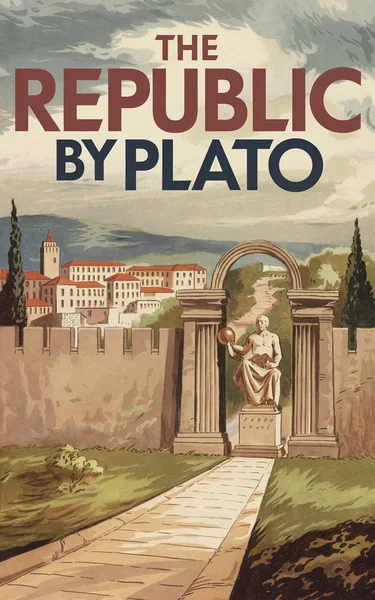
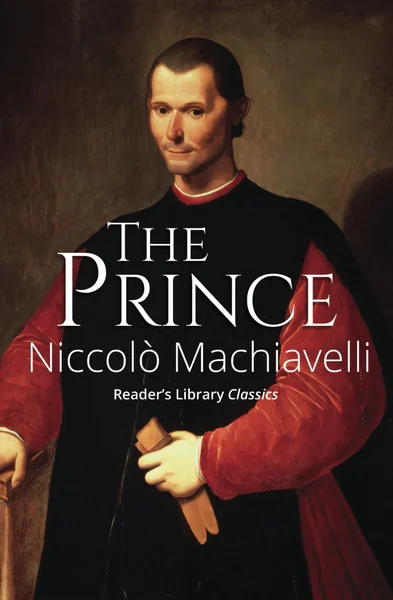
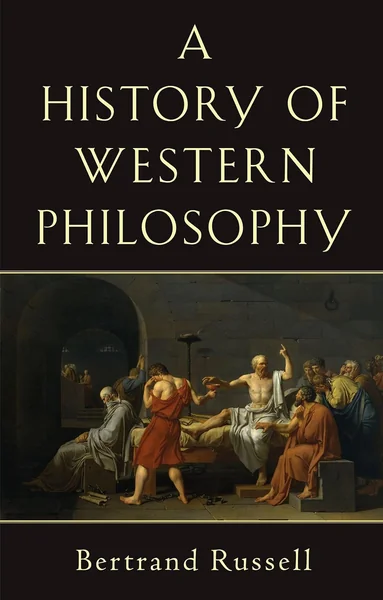
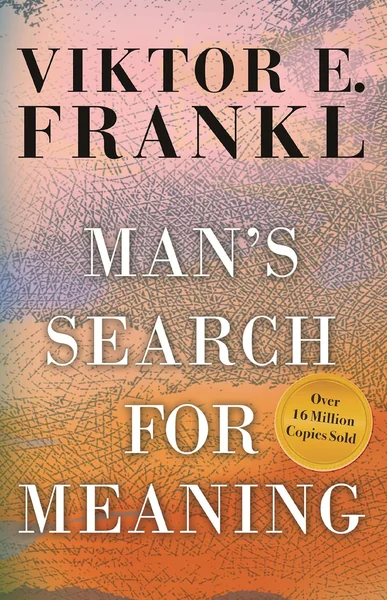
- Readers drawn to Beyond Good and Evil will find rich company among the philosophy titles curated below. Plato's The Republic offers an earlier, systematically argued investigation into justice and the nature of the good — a useful point of contrast with Nietzsche's assault on exactly that tradition. Niccolò Machiavelli's The Prince shares Nietzsche's willingness to strip moral sentiment from political reality and examine power on its own terms. For a contemporary engagement with the same questions about why human moral intuitions divide along political and religious lines, Jonathan Haidt's The Righteous Mind is an illuminating companion. Viktor E. Frankl's Man's Search for Meaning approaches questions of value and human will from a very different angle — experiential and existential rather than polemical — and makes a thought-provoking counterpoint. Thus Spoke Zarathustra and On the Genealogy of Morality, both by Nietzsche, are the natural next steps within his own body of work.
- Who should read this?
- Beyond Good and Evil is essential for students of Western philosophy, ethics, political philosophy, literary theory, and cultural history — Nietzsche's arguments appear in foundational form here and are routinely encountered in university curricula across all of those disciplines. Intellectually curious general readers who are comfortable with non-linear, aphoristic texts and who are prepared to bring critical distance to nineteenth-century cultural generalisations will also find it richly rewarding. Those new to philosophy who prefer a sequentially argued introduction to ethics should consider supplementary reading alongside the text. Readers interested in the intellectual roots of twentieth-century European thought — including its darker political appropriations, which Nietzsche himself would have rejected — will find this an indispensable primary source.
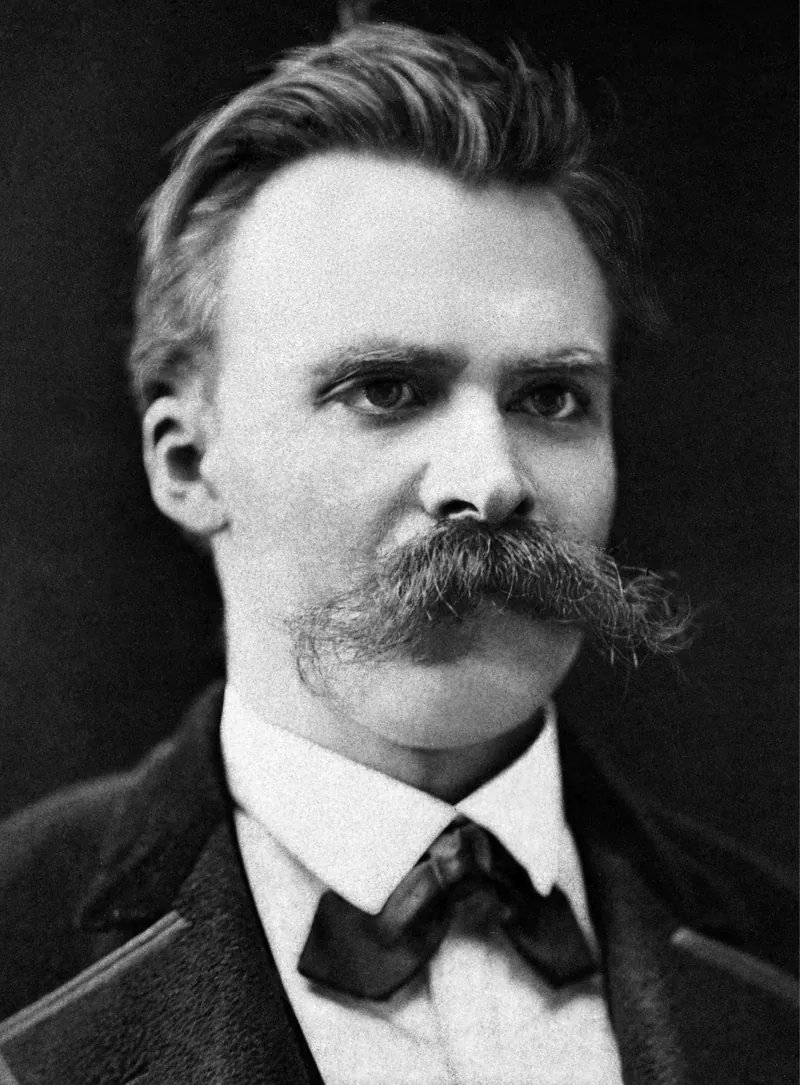
- About Friedrich Nietzsche
- Friedrich Wilhelm Nietzsche was a German philosopher and writer who started his career as a classical philologist and turned to philosophy early in his academic career.
- What are the main themes?
- Beyond Good and Evil covers remarkable thematic breadth. At its core is a sustained critique of Western moral philosophy's binary of good versus evil, which Nietzsche argues rests on unexamined prejudice rather than genuine inquiry. From there the book moves through epistemology, the will to power, the nature of 'free spirits,' religion, master and slave morality, the German soul, cultural commentary on France and Germany, and a direct critique of German antisemitism. The aphoristic structure means these themes are woven together through concentrated, numbered observations rather than separated into discrete chapters, giving the work a cumulative, wide-ranging intellectual force.
- Which translation should I read?
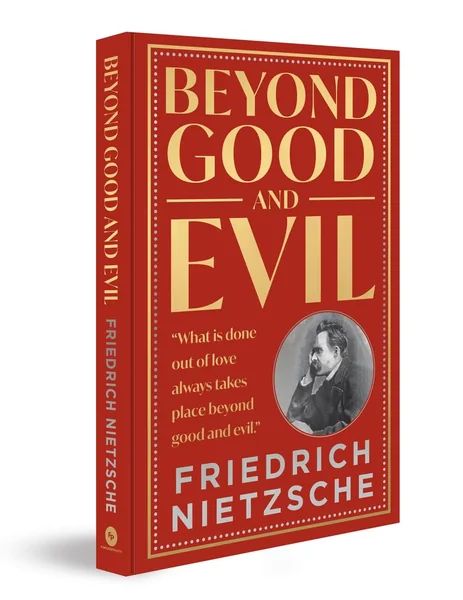
- The Fingerprint! Classics edition uses the Helen Zimmern translation — historically significant as the first English translation of Beyond Good and Evil, produced by someone who personally knew Nietzsche and published between 1909 and 1913 as part of The Complete Works of Friedrich Nietzsche. Walter Kaufmann's later translation is a separate and distinct version that carries its own interpretive commentary, offering a meaningfully different reading experience in both tone and philosophical framing. Readers with a strong interest in translation scholarship are advised to note which version they are picking up, as that choice shapes the texture of the prose throughout.
Summarize this book
Follow up
Synthesized from verified book data & published reviews · How we review
Press Enter to ask. Answers come from our editorial Q&A — start typing to see related questions.
Age & Reading Level
Recommended age
Adult
Reading level
Adult
2 content notes · who it suits
Content to know about
Skip if you want a systematically argued, linear introduction to ethics or moral philosophy.
Editorial Review
First published in 1886, Friedrich Nietzsche's Beyond Good and Evil remains one of philosophy's most searching and polemical challenges to conventional morality, now available in a hardcover Fingerprint! Classics edition — making a foundational text accessible to a new generation of readers.
Read the Full ReviewBooks like Beyond Good And Evil
Curated picks for readers who enjoyed Beyond Good And Evil, with our reasoning for each match.
If you liked Beyond Good And Evil