At a glance

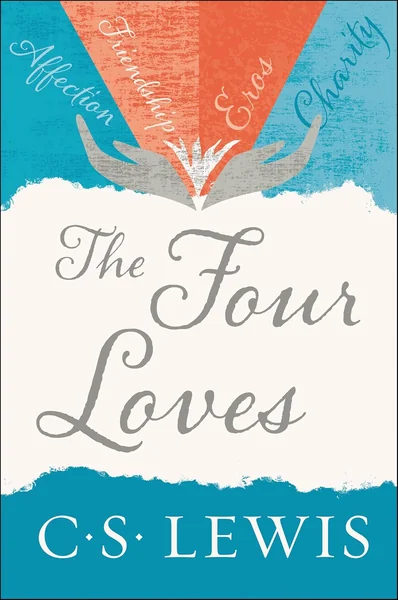
The Four Loves
by C. S. Lewis
LuvemBooks Verdict
Best for: Readers drawn to Christian philosophy and the ethics of relationship who want a structured, accessible framework for examining the full range of human loves — from everyday affection to the theological ideal of charity.
Worth it? Skip it? Read the full verdict →Ask LuvemBooks
Was this helpful?
- Is it worth reading?
- For readers interested in Christian thought, relational ethics, or the intellectual tradition Lewis represents, The Four Loves is a genuinely rewarding text — its taxonomy of Affection, Friendship, Eros, and Charity gives a clear and memorable framework for examining human relationships, and Lewis's use of concrete thought experiments keeps what could easily be arid philosophical categorization grounded in recognizable experience. The book's compact length (roughly 191 pages) makes it accessible without requiring specialist background. Readers who do not share Lewis's explicitly Christian premises will still find the philosophical scaffolding — particularly the distinction between Need-love and Gift-love — engageable on its own terms, though the elevation of Charity as the highest love is inseparable from his theological commitments.
- Similar books
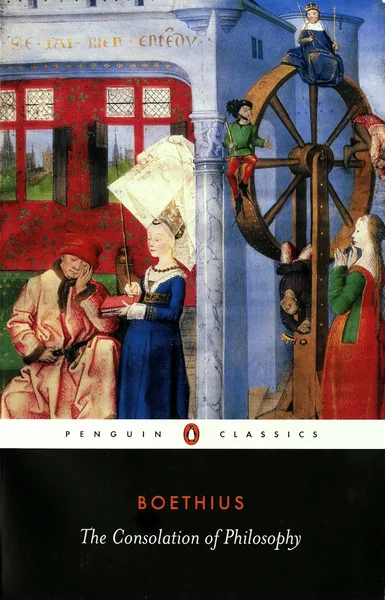
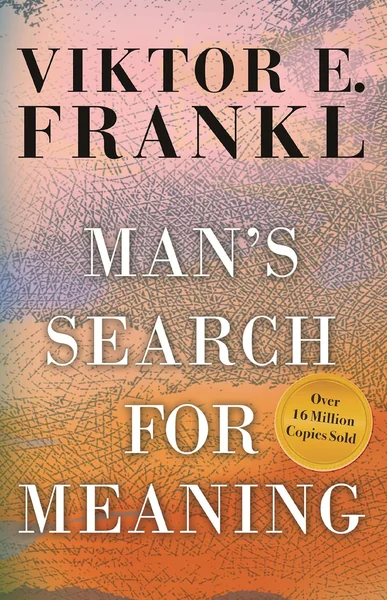
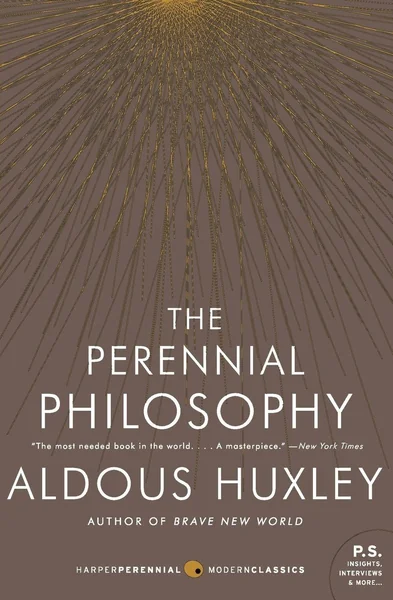
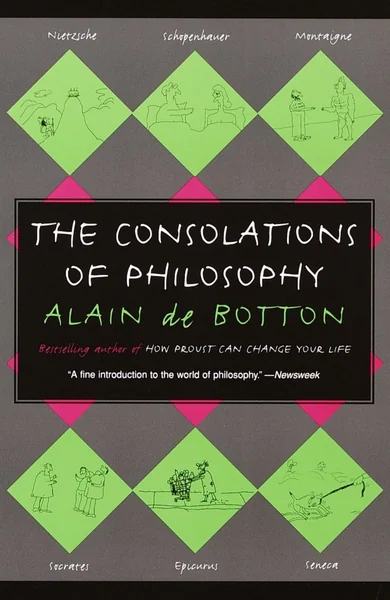
- Readers drawn to The Four Loves will find strong companions in several works on the page. Boethius's The Consolation of Philosophy shares Lewis's project of using philosophical reasoning to illuminate the human condition within a framework of ultimate meaning. Viktor E. Frankl's Man's Search for Meaning similarly grounds abstract questions about love, purpose, and suffering in concrete human experience. Aldous Huxley's The Perennial Philosophy examines the shared mystical and spiritual core across religious traditions — a natural complement to Lewis's Christian-anchored analysis. Alain de Botton's The Consolations of Philosophy offers a more secular, essayistic approach to philosophical questions about how to live. Carl Trueman's The Desecration of Man engages themes of human dignity and meaning from within the Christian intellectual tradition Lewis helped define.
- Who should read this?
- The Four Loves is best suited to readers interested in Christian thought, the ethics of relationship, or the intellectual tradition Lewis represents. It will particularly reward those who have not previously considered a systematic framework for understanding the different forms human love takes — from the familiarity-based bond Lewis calls Affection (storge) to the freely chosen Friendship (philia) he regards as perhaps the most profound. Readers approaching from a secular philosophy background can engage with Lewis's distinctions on their own terms, but should be prepared for a framework in which Charity (agape) is explicitly identified as the highest love on theological grounds. Those seeking rigorous academic engagement with the full classical tradition on eros or philia will find the approach more essayistic than scholarly.
- About C. S. Lewis
- Clive Staples Lewis was a British author, literary scholar, and Anglican lay theologian.
- Tell me about the adaptation
- While The Four Loves itself is not being adapted, director Greta Gerwig's upcoming Netflix adaptations of C. S. Lewis's Narnia series are bringing a wave of renewed attention to Lewis's work as a whole. Fans of Lewis are using the moment to dive deeper into his philosophy and theology beyond the fiction, including this classic examination of love. No release date for the Gerwig Narnia films has been confirmed, but the project has generated significant cultural interest in Lewis's broader intellectual legacy.
- What are the main themes?
- The central theme of The Four Loves is the nature and limits of human love, examined through four Greek categories: Affection (storge), Friendship (philia), Eros, and Charity (agape). Lewis argues that each form of love is not merely a straightforward good but is capable of excess and distortion — possessive parental love, the dangers of Eros, and the way Affection can curdle into expectation. A secondary but inseparable theme is the relationship between human love and divine love: Lewis's overarching thesis is that natural loves point toward a higher glory but, without divine grace, fall short of even that function, with Charity — selfless, persistent, and distinctly Christian — identified as the highest of the four.
Summarize this book
Follow up
Synthesized from verified book data & published reviews · How we review
Press Enter to ask. Answers come from our editorial Q&A — start typing to see related questions.
Age & Reading Level
Recommended age
Adult
Reading level
Adult
who it suits
Skip if you want a secular philosophical treatment of love with no theological framework or Christian premises.
Editorial Review
First published in 1960 and rooted in a series of 1958 radio talks, The Four Loves is C. S.…
Read the Full ReviewBooks like The Four Loves
Curated picks for readers who enjoyed The Four Loves, with our reasoning for each match.
If you liked The Four Loves