8 min read
4.6
· 4,848 Amazon ratingsShare This Review

Our review
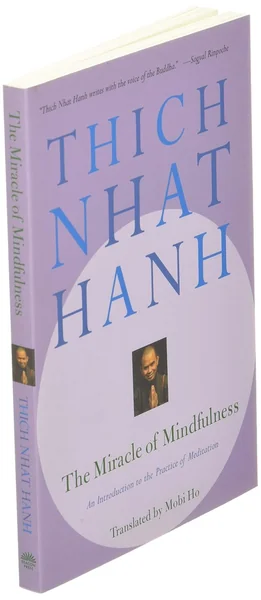
The Miracle of Mindfulness
The Miracle of Mindfulness by Thich Nhat Hanh Review: A Timeless Gateway to Meditative Practice
Thich Nhat Hanh's The Miracle of Mindfulness is a foundational guide to meditation and mindful awareness, teaching readers to find presence in the simplest acts of daily life — from washing dishes to peeling an orange — through gentle anecdotes, practical exercises, and grounding in Buddhist tradition. This review covers the book's content and published reception; it does not reflect hands-on practice of the exercises.


 Tap to enlarge
LuvemBooks Verdict
Best for
Readers who are new to meditation and want a gentle, non-sectarian entry point into mindful living that integrates practice into ordinary daily tasks rather than requiring formal Buddhist study.
Worth it if
Worth reading if you want a clear, immediately actionable introduction to mindfulness that meets you in everyday moments — washing dishes, peeling an orange, answering the phone — without demanding prior knowledge of Buddhist doctrine.
Skip if
Skip it if you are already versed in Zen or Theravāda practice and are looking for a rigorous philosophical treatment or a comprehensive meditation curriculum that goes well beyond the foundational level.
What readers & critics say
Publishers Weekly found that the audiobook edition's narrator "ably captures the calm and peaceful nature of Hanh's prose," reflecting a broader critical consensus that the text itself embodies the serenity it teaches. Biblio.com notes that readers widely praise the book as "a clear, gentle, and practical introduction to living mindfully, with memorable exercises that anchor attention in everyday acts."
“Lee ably captures the calm and peaceful nature of Hanh's prose, embodying his beliefs.”
— Publishers WeeklyPreview the book

Ask LuvemBooks
Was this helpful?
- Is it worth reading?
- For anyone seeking an accessible, gentle entry point into mindfulness and meditation, The Miracle of Mindfulness is among the most recommended texts available — the New Age Journal called it "one of the best available introductions to the wisdom and beauty of meditation practice," and Sogyal Rinpoche, as quoted by Beacon Press, wrote that "Thich Nhat Hanh writes with the voice of the Buddha." Its step-by-step exercises and grounding in everyday situations mean readers can begin a practice immediately, regardless of prior familiarity with Buddhist doctrine. The key caveat is brevity: at 140 pages, it is an outstanding starting point but is not designed to serve as a comprehensive meditation curriculum, so advanced practitioners will want to supplement it with additional texts.
- Similar books
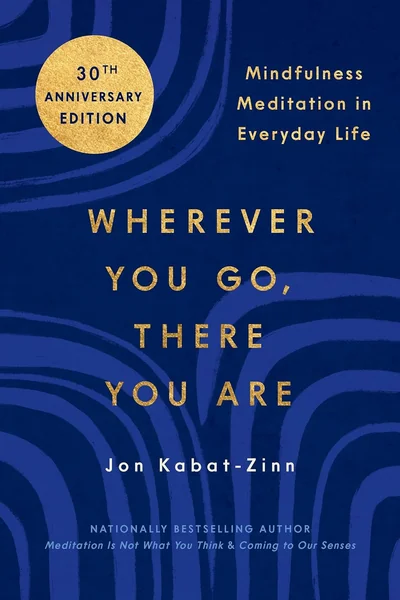
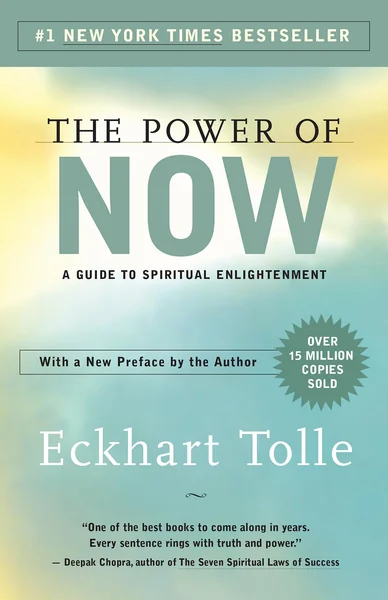
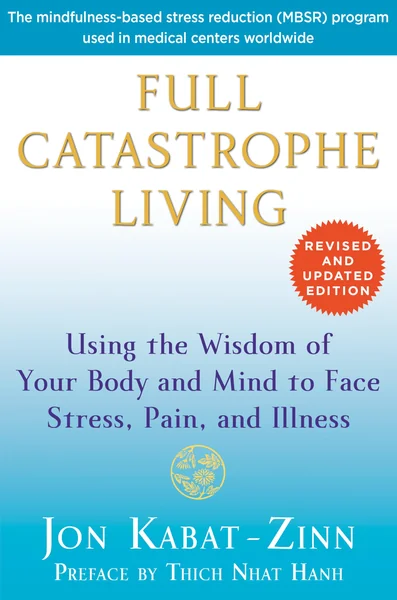
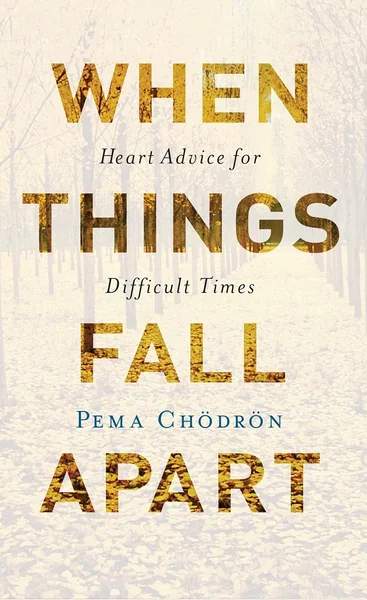
- Readers who connect with The Miracle of Mindfulness are likely to find Jon Kabat-Zinn's Wherever You Go, There You Are a natural companion — similarly accessible and non-sectarian in its approach to present-moment awareness. For a more structured, practice-based programme rooted in the same tradition, Kabat-Zinn's Full Catastrophe Living offers significant depth. Eckhart Tolle's The Power of Now shares the emphasis on presence and conscious living for readers drawn to a more contemporary, less explicitly Buddhist framing. Pema Chödrön's When Things Fall Apart is an excellent next step for those interested in Buddhist wisdom applied to difficulty and uncertainty. For a more whimsical, story-driven introduction to Zen principles, The Zen Monkey and the Lotus Flower by Tenpa Yeshe offers an accessible alternative.
- Who should read this?
- The Miracle of Mindfulness is ideally suited to complete beginners curious about meditation and mindful living — people drawn to a more deliberate pace of life, stress reduction, or emotional grounding, who want a welcoming, non-dogmatic entry point. Because its emphasis on breath practice is non-sectarian, it is equally relevant to readers from many religious backgrounds, not only Buddhists. Advanced practitioners already familiar with Zen or Theravāda traditions, or those seeking a rigorous philosophical treatment of Buddhist doctrine, will likely find it too introductory to serve as a primary text.
- About Thich Nhat Hanh
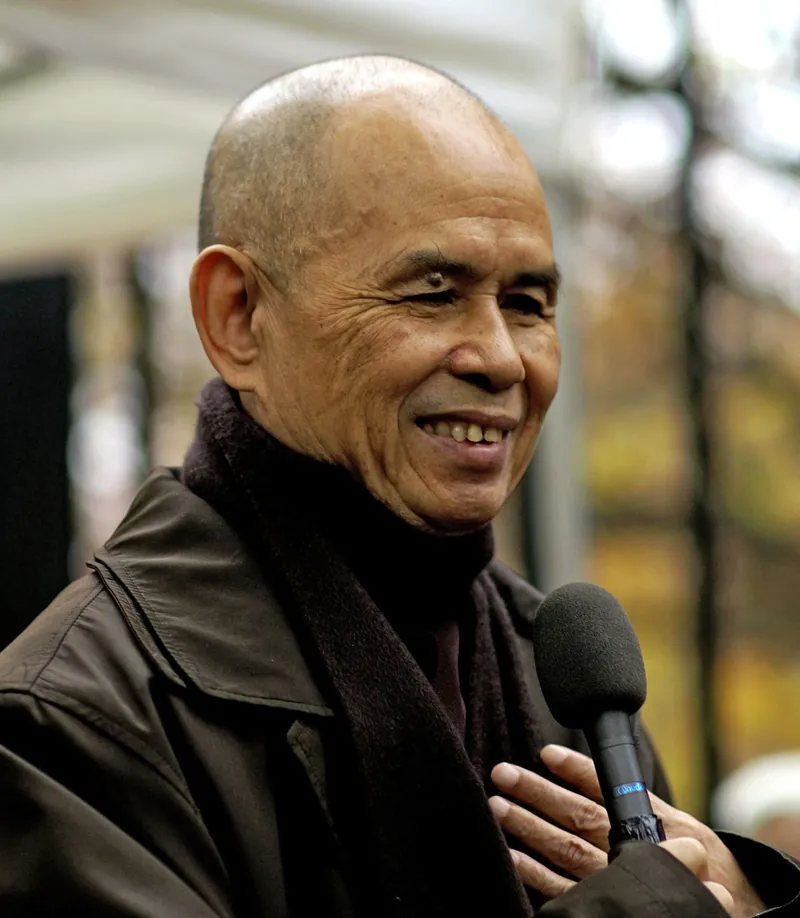
- Thích Nhất Hạnh was a Vietnamese Thiền Buddhist monk, peace activist, prolific author, poet, and teacher, who founded the Plum Village Tradition, historically recognized as the main inspiration for engaged Buddhism.
- What are the main themes?
- The central theme of The Miracle of Mindfulness is that full awareness — mindfulness — is not confined to formal meditation sessions but is available in every moment of ordinary life, from washing dishes to answering the telephone. Thich Nhat Hanh also develops the importance of breath as a universal, non-sectarian anchor of practice, and explores foundational Buddhist concepts including the five aggregates, the four foundations of mindfulness, and the factors of enlightenment — always through lived example rather than doctrinal lecture. A quieter but persistent theme is the relationship between personal peacefulness and broader human flourishing, reflecting Thich Nhat Hanh's identity as both a contemplative teacher and a peace activist.
- Where should I start with Thich Nhat Hanh?
- The Miracle of Mindfulness is widely regarded as one of the best entry points into Thich Nhat Hanh's work — its 140-page scope, beginner-friendly structure, and step-by-step exercises make it an ideal first encounter. Readers who want to continue are frequently directed toward Peace Is Every Step and The Heart of the Buddha's Teaching, the latter being particularly valuable for those ready to engage more deeply with Buddhist philosophy and doctrine.
Summarize this book
Follow up
Synthesized from verified book data & published reviews · How we review
What would you like to know about The Miracle of Mindfulness?
Answers come from our editorial notes on this book. If we haven't covered something, we'll say so.
Readers often ask
Our Review
This review covers the book's content, premise and published critical reception, not a first-hand reading.
What the Book Is and What It Contains
The Central Argument: Presence in Ordinary Moments
Reception and Significance
Genuine Strengths: Clarity, Accessibility, and Breadth of Appeal
Limitations and Who May Want More
Sources & Further Reading
The key facts and claims in this review are grounded in the retrieved, verified sources listed below.
- 1
Thich Nhat Hanh, LuvemBooks
- 2
beacon.org
- 3
truthbrary.mpaq.org
- 4
parallax.org
- 5
lifeclub.org
- 6
- 7
- 8
godofsilicon.com
- 9
plumvillage.org
- 10
- 11
- 12
Age & Reading Level
Recommended age
Adult
who it suits
Skip if you are an experienced Zen or Theravāda practitioner seeking rigorous philosophical depth or a comprehensive meditation curriculum.
Reader reviews
Be one of the first readers to answer.
Read it? Was it right for you?
Books like The Miracle of Mindfulness
Curated picks for readers who enjoyed The Miracle of Mindfulness, with our reasoning for each match.
More by Thich Nhat Hanh


If you liked The Miracle of Mindfulness