8 min read
4.3
· 215 Amazon ratingsShare This Review
The Not So Big House by Sarah Susanka Review: A Groundbreaking Blueprint for Thoughtful Home Design
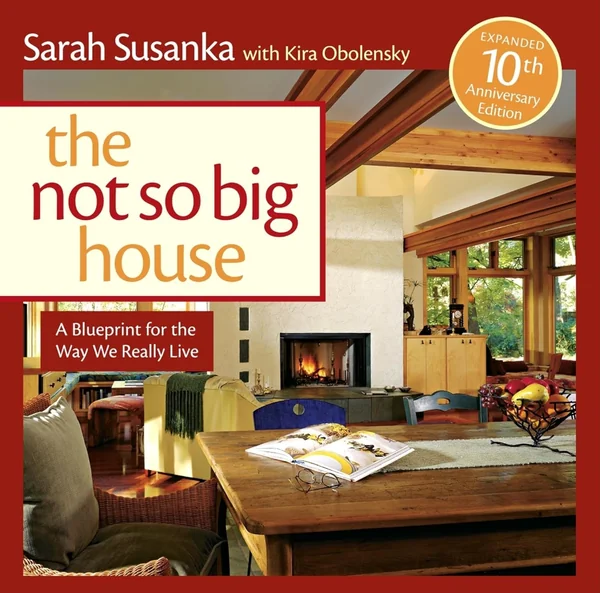
Sarah Susanka's The Not So Big House is a bestselling architecture and home-design book that makes the case for building and remodeling around quality rather than square footage — a philosophy that reshaped how many Americans think about residential space. The expanded edition, published by The Taunton Press, adds a new introduction and new chapter to the original, giving both new and returning readers fresh material alongside Susanka's foundational argument.
LuvemBooks Verdict
Best for
Homeowners in the early stages of planning a build or remodel who want a clear, principle-driven framework for prioritizing quality, comfort, and intentionality over raw square footage.
Worth it if
You're rethinking your living space and want both a vocabulary and a set of concrete design strategies to guide conversations with architects and builders — or simply to articulate what you actually want from a home.
Skip if
You need granular technical guidance — permitting processes, contractor negotiations, or detailed budget management — as the book is a design-philosophy primer, not a construction or project-management manual.
What readers & critics say
Thriftbooks describes the book as having "created a groundswell of interest among homeowners, architects, and builders" when it first appeared in 1998, and Buildersbook.com notes that Susanka "started a revolution in home design" with its deceptively simple message that quality should always come before quantity. StoryGraph readers echo this, calling it a genuinely helpful resource for rethinking how you actually live in and use your home, while also noting that the book's advice is most accessible to those with the means to build.
Sources: ThriftBooks, BuildersBook, StoryGraphAsk LuvemBooks
Was this helpful?
- Is it worth reading?
- For homeowners in the early stages of a build or remodel, or for design-curious readers who want a framework for evaluating space, The Not So Big House is a clarifying and practical read that has demonstrated staying power over more than two decades. Susanka's argument that a well-designed smaller home can outperform a poorly designed larger one is a useful counterweight to the square-footage benchmarks that still dominate real estate listings and builder marketing. Readers seeking granular budgeting or contractor-level guidance will need supplementary resources, and those already fluent in quality-focused residential design may find the foundational argument covers familiar ground.
- Similar books
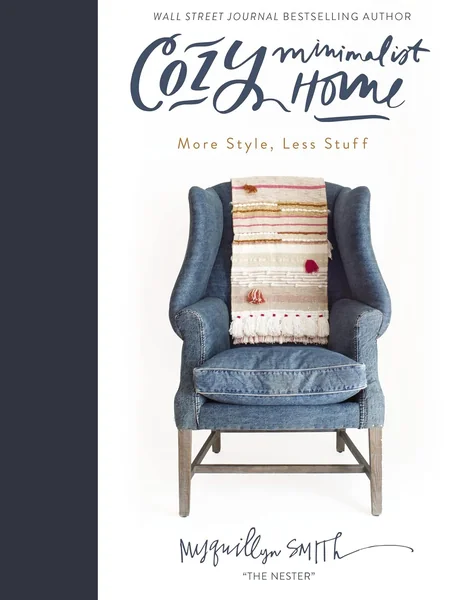
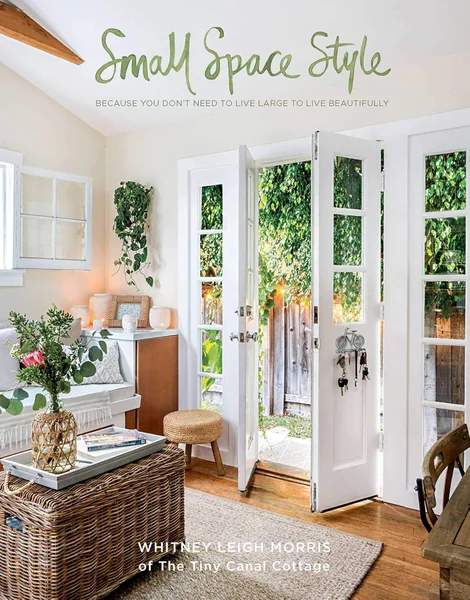
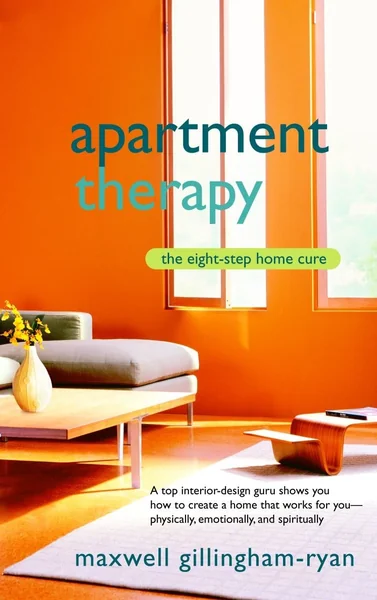
- Readers drawn to The Not So Big House's argument for intentional, quality-focused living spaces will find kindred thinking in several related titles. Myquillyn Smith's Cozy Minimalist Home shares the emphasis on purposeful design over accumulation, while Whitney Leigh Morris's Small Space Style makes a practical case for maximizing limited square footage with care and creativity. Maxwell Ryan's Apartment Therapy: The Eight-Step Home Cure approaches the same question of making a home feel right from a room-by-room, process-driven angle. For deeper architectural philosophy, Alain de Botton's The Architecture of Happiness and Christopher Alexander's A Pattern Language are natural companions, though those titles are not currently in the LuvemBooks catalogue.
- Who should read this?
- The Not So Big House is best suited to homeowners in the early stages of a build or remodel, to design-curious readers who want a framework for evaluating residential space, and to anyone who has stood in a large, expensive house and felt that something was missing. It is also a strong fit for those who want the vocabulary to communicate their priorities to architects and builders. The book is less directly useful for renters, those in heavily constrained housing situations, or professionals already well-versed in quality-focused residential design.
- About Sarah Susanka
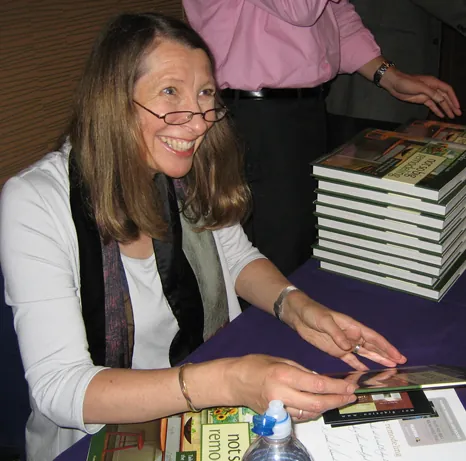
- Sarah Susanka is an English-born, American-based architect, an author of nine best-selling books, and a public speaker.
- What is the 'Not So Big' philosophy?
- The Not So Big philosophy is Susanka's argument that quality should come before quantity in the places where people live their private lives. Rather than building larger, she contends that homeowners would be better served by redirecting the same budget away from unused square footage and toward craftsmanship, comfort, and intentionality — creating homes that genuinely reflect how people actually live. The philosophy has been credited with giving homeowners the language to articulate to architects and builders the kind of house they actually want, and it expanded well beyond the original book into an entire design movement and series of follow-up titles.
- What are the book's limitations?
- The Not So Big House is not a technical construction or project-management guide — readers seeking granular budgeting, contractor negotiations, or permitting guidance will need supplementary resources. Its practical utility is also most immediate for those with the means and context to build or significantly remodel, which limits its applicability for renters or those in heavily constrained housing situations. Readers already well-versed in quality-focused residential design, or professionals in residential architecture, may find that even the expanded edition's additions cover familiar territory.
Summarize this book
Follow up
Synthesized from verified book data & published reviews · How we review
Press Enter to ask. Answers come from our editorial Q&A — start typing to see related questions.
Age & Reading Level
Recommended age
Adult
Reading level
Adult
who it suits
Skip if you need a step-by-step construction manual with budgeting, permitting, and contractor-management guidance.
Our Review
What the Book Is and What It Argues
The Book's Place in Architecture and Design Culture
Strengths: Clarity of Argument and Practical Design Strategies
Limitations and Who May Find It Frustrating
Who This Book Is For Today
Sources & Further Reading
The key facts and claims in this review are grounded in the retrieved, verified sources listed below.
- Cited in this review
- 1
- 2
abramsbooks.com
- Further reading
- 3
Sarah Susanka, Wikipedia
- 4
susanka.com
- 5
- 6
beta.thestorygraph.com
- 7
- 8
Books like The Not So Big House
Curated picks for readers who enjoyed The Not So Big House, with our reasoning for each match.
If you liked The Not So Big House