At a glance
About the Author
David Brooks1 book reviewed
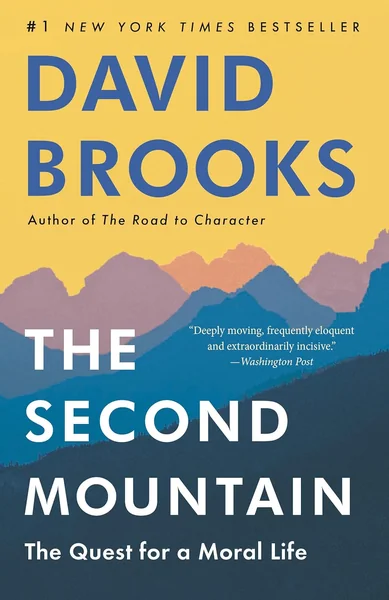
The Second Mountain
The Quest for a Moral Life
by David Brooks
LuvemBooks Verdict
Best for: Readers at or past a "first mountain" reckoning — the achievement that didn't satisfy or the life event that broke a plan open — who are receptive to a serious, story-built moral argument that commitment, not freedom, is the missing ingredient.
Worth it? Skip it? Read the full verdict →Ask LuvemBooks
Was this helpful?
- Is it worth reading?
- Yes, for the right reader. Critics called the book stirring and, in a separate notice, Brooks's best book yet, and its four-part structure delivers an actual framework rather than a vibe — a rarity on the self-help shelf. LuvemBooks' verdict: readers who want a serious, story-built case for the committed life will find one of the more substantive entries in the genre, but those who want data-driven argument or step-by-step techniques may find it persuasive in the moment yet thin on proof and more inspirational than actionable.
- Who should read this?
- This is a book for readers at or past a first-mountain reckoning — the achievement that didn't satisfy, or the life event like divorce or bereavement that broke a plan open. It suits anyone receptive to the argument that commitment, not freedom, is the missing ingredient in a meaningful life. The register — part sermon, part self-help, part social criticism — asks openness to a spiritual vocabulary of surrender, sin, and vocation, so secular readers who prefer step-by-step guidance may not be the right fit.
- Similar books
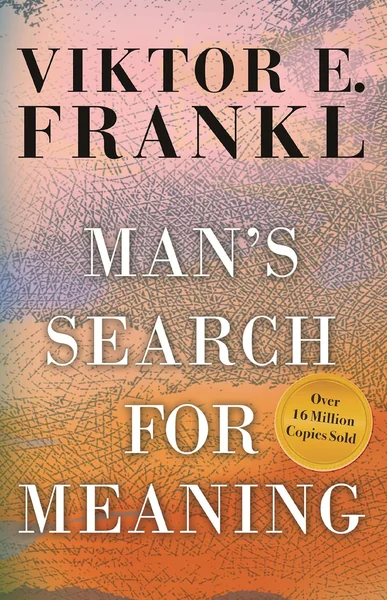
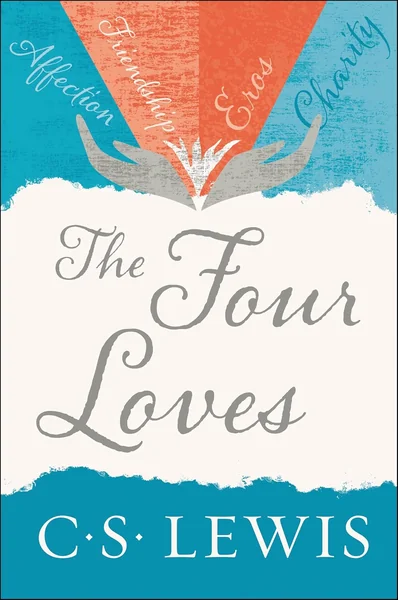
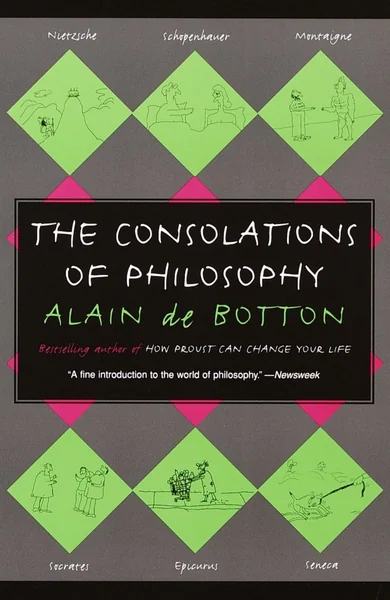
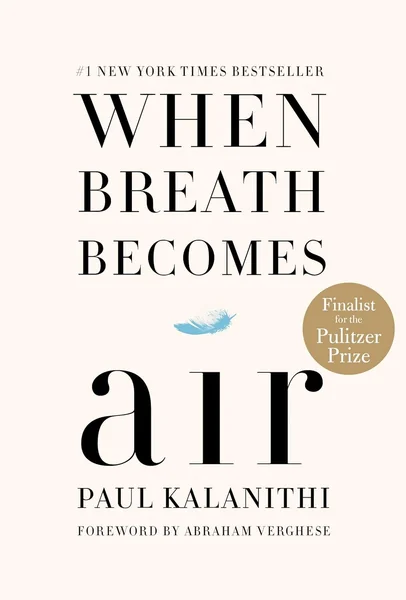
- Readers drawn to Brooks's moral framework often pair it with Viktor E. Frankl's Man's Search for Meaning, the classic case that purpose — not pleasure — sustains a life. C. S. Lewis's The Four Loves offers a similarly faith-inflected anatomy of human attachment, while Alain de Botton's The Consolations of Philosophy provides a more secular route into wisdom traditions. Paul Kalanithi's memoir When Breath Becomes Air dramatizes the second-mountain reckoning through one doctor's terminal diagnosis. Brooks's own earlier The Social Animal and Mitch Albom's Tuesdays with Morrie also explore adjacent ground.
- What are the main themes?
- The governing theme is interdependence over independence — surrender rather than self-invention. Brooks argues that society celebrates freedom and being true to oneself at the expense of surrendering to a cause, rooting in a neighborhood, and binding to others through solidarity and love. His line, quoted in The Guardian's review, captures the rhetoric: the world tells people to be good consumers, while the committed want "to be the one consumed — by a moral cause." The book therefore doubles as social commentary on hyper-individualism and the torn social fabric.
- Is the book religious?
- Not conventionally, but it leans spiritual. The book's vocabulary of surrender, sin, and vocation draws on religious framing, and one of its four commitments is explicitly to a philosophy or faith. Critical coverage characterizes the register as part sermon — readers open to that framing will find it stirring, while committed secularists may find the counsel more inspirational than actionable.
- Is this a good book club pick?
- Yes, with caveats. The two-mountain metaphor and four commitments give a group concrete material to debate, and the blend of personal stories with cultural diagnosis invites both personal reflection and political discussion. The one caution: clubs should know going in that the book blends sermon, self-help, and social criticism rather than offering a single, practical register, so discussions tend to work best when members are open to moral and spiritual argument.
- How does it compare to The Social Animal?
- The Social Animal is Brooks's earlier book, a synthesis of social-science research on how people think and behave — critical reception commends his gift for making that research "accessible and even startling," and USA Today likens him to a normative Malcolm Gladwell. The Second Mountain shifts from explanation to exhortation: it is less interested in how people are than in what a life is for. A separate critical notice called The Second Mountain Brooks's best book yet, so readers choosing between the two may prefer it unless they specifically want the science-forward approach.
Summarize this book
Follow up
Synthesized from verified book data & published reviews · How we review
Press Enter to ask. Answers come from our editorial Q&A — start typing to see related questions.
Age & Reading Level
Recommended age
Adult
Reading level
Adult
2 content notes · who it suits
Content to know about
Skip if you want a data-driven, step-by-step self-help manual rather than a story-built moral argument.
Editorial Review
David Brooks's The Second Mountain argues that a meaningful life is built not on individual achievement but on four commitments — to spouse and family, vocation, philosophy or faith, and community. Critical coverage called this map for "escaping the prison of self" stirring.
Read the Full ReviewBooks like The Second Mountain
Curated picks for readers who enjoyed The Second Mountain, with our reasoning for each match.
If you liked The Second Mountain