8 min read
4.4
· 464 Amazon ratingsShare This Review

Our review
How to Live
How to Live – A Handbook of Stoic Philosophy: Discourses and The Enchiridion by Epictetus Review: An Ancient Practical Guide to Stoic Living
This Fingerprint edition brings together two of antiquity's most enduring philosophical texts — the Discourses and The Enchiridion of Epictetus — in a single paperback designed as an entry point into Stoic thought. The review covers the content, context, and reception of this edition as drawn from published sources, not hands-on use.


 Tap to enlarge
LuvemBooks Verdict
Best for
Readers new to Stoic philosophy who want a single, practical volume containing both of Epictetus's surviving primary texts — the Discourses and The Enchiridion — without requiring any prior philosophical background.
Worth it if
You want an accessible, aphorism-rich introduction to Stoicism rooted in a two-thousand-year canonical tradition, and you are happy to treat it as a practical companion rather than a scholarly critical edition.
Skip if
Skip it if you need a named translator, scholarly footnotes, or textual commentary — this edition's verified details do not confirm any of those, leaving its translation tradition uncertain for academic purposes.
What readers & critics say
The Internet Encyclopedia of Philosophy notes that Epictetus was considered "the greatest of Stoics" by contemporaries and that the Arrian-recorded Discourses and Handbook remain the primary surviving windows into his thought. Fingerprint Publishing's own description characterises the dual-text edition as "a groundbreaking work that stands as the pillar of Stoic philosophy," consistent with its canonical status across two millennia of Western philosophical reception.
Sources: Internet Encyclopedia of Philosophy, Fingerprint PublishingPreview the book

Ask LuvemBooks
Was this helpful?
- Is it worth reading?
- For readers encountering Stoic philosophy for the first time, this Fingerprint edition represents a compelling and historically grounded entry point: the pairing of the Discourses and The Enchiridion in a single volume is itself a curatorial strength, giving readers both the practical handbook and the philosophical framework it rests on. Epictetus's biography — from enslaved person to one of antiquity's most influential teachers — lends his arguments about freedom, resilience, and human dignity a rare authority rooted in lived adversity. The principal caveat is that the edition does not name a translator, leaving prospective buyers uncertain about the translation tradition represented, and it is unlikely to satisfy readers seeking scholarly apparatus such as critical footnotes or comparative textual commentary.
- Similar books
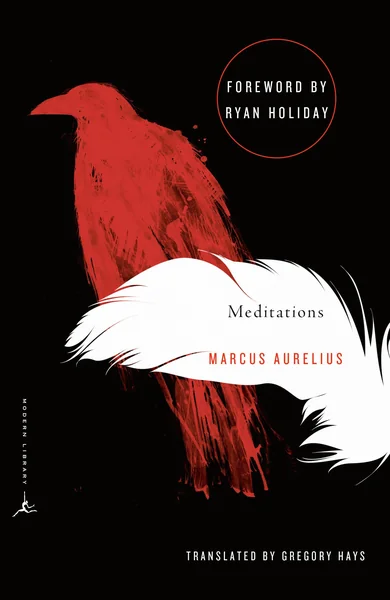
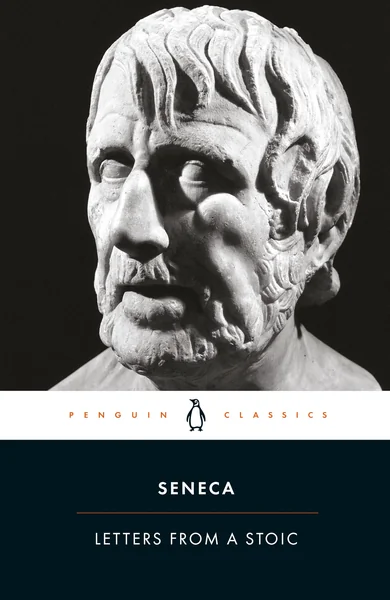
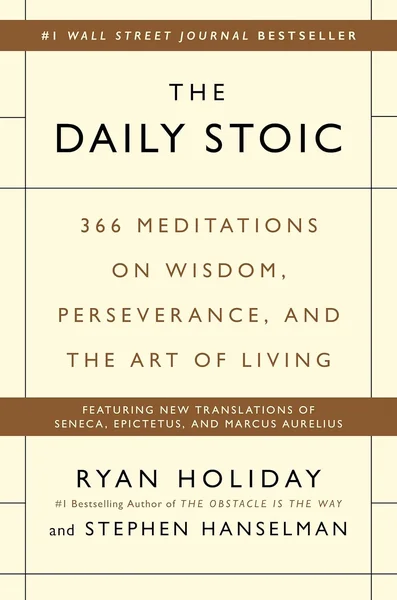
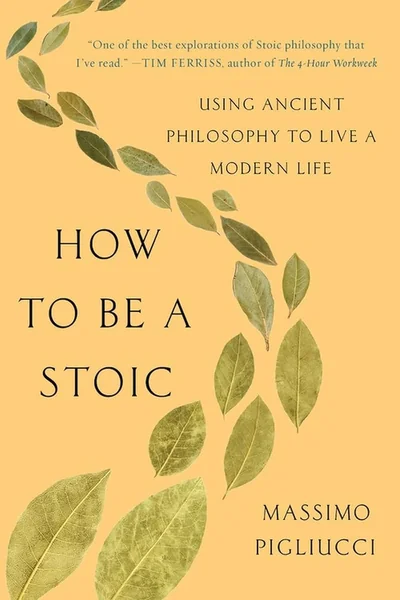
- Readers drawn to this edition of Epictetus will find natural companions throughout the Stoic canon and its modern heirs. Marcus Aurelius's Meditations and Seneca's Letters from a Stoic are the other two primary pillars of Roman Stoicism, both offering direct access to ancient Stoic thought in a reflective, practical register. For those who prefer a modern guide, Massimo Pigliucci's How to Be a Stoic: Using Ancient Philosophy to Live a Modern Life explicitly bridges the ancient texts and contemporary life, while Ryan Holiday and Stephen Hanselman's The Daily Stoic: 366 Meditations on Wisdom, Perseverance offers a structured, day-by-day format. Viktor E. Frankl's Man's Search for Meaning and Alain De Botton's The Consolations of Philosophy round out the selection for readers interested in the wider tradition of philosophy as a practical response to adversity.
- Who should read this?
- This Fingerprint edition is explicitly designed for general readers encountering Stoic philosophy for the first time, with no prior philosophical background assumed. It is equally well suited to anyone seeking a practical philosophical framework for navigating adversity, building resilience, or developing greater self-knowledge — particularly those attracted to the idea that philosophy can function as a daily manual rather than an academic exercise. Readers who already own a scholarly edition of the Discourses and The Enchiridion, or who require named-translator transparency, may find less new value here.
- What are the main themes?
- The organising theme running through both the Discourses and The Enchiridion is the Stoic distinction between what lies within our control — our judgements, desires, and responses — and what does not, including wealth, reputation, and bodily health. From this foundation, Epictetus develops arguments about human dignity, freedom, resilience, and the pursuit of a meaningful life, grounded in the concept of virtue as the only true good. The Fingerprint edition also highlights themes of personal growth and self-knowledge, while The Enchiridion extends Stoic logic into striking metaphor — describing God as a ship's captain whose call back on board figures the acceptance of death as part of a larger voyage.
- Which translation is used?
- This is one of the edition's notable limitations: the verified details for this Fingerprint edition do not identify a named translator or specify which translation tradition has been used. For readers who place significant weight on translation quality — which substantially shapes the reading experience with ancient texts — this lack of transparency is worth investigating before purchasing. Those with a preference for a specific scholarly translation, such as those by Robin Hard, Robert Dobbin, or W.A. Oldfather, may wish to seek out those editions directly.
- What is this book's historical significance?
- The Discourses and The Enchiridion together represent the primary surviving record of Epictetan Stoicism and have exerted a documented influence on Western philosophical and ethical thought for approximately two thousand years. Epictetus flourished in the early second century C.E., roughly four hundred years after Zeno of Citium founded the Stoic school in Athens, and his recorded teachings subsequently influenced philosophers, theologians, and political thinkers across centuries. The Fingerprint publisher describes this dual text as 'a groundbreaking work that stands as the pillar of Stoic philosophy' — a characterisation consistent with its canonical status and with its well-documented reception history.
Summarize this book
Follow up
Synthesized from verified book data & published reviews · How we review
Press Enter to ask. Answers come from our editorial Q&A — start typing to see related questions.
Our Review
What the Book Contains
The Philosopher and His Place in the Stoic Tradition
The Central Argument: What Is and Is Not in Our Power
Strengths as a Practical Philosophical Resource
Limitations and Considerations for Prospective Readers
Sources & Further Reading
The key facts and claims in this review are grounded in the retrieved, verified sources listed below.
- Cited in this review
- 1
- Further reading
- 2
fingerprintpublishing.com
- 3
- 4
strandbooks.com
- 5
oll-resources.s3.us-east-2.amazonaws.com
- 6
Age & Reading Level
Recommended age
Adult
Reading level
Adult
1 content note · who it suits
Content to know about
Skip if you are looking for a scholarly critical edition with named translator, footnotes, and textual commentary.
Reader reviews
Be one of the first readers to answer.
Read it? Was it right for you?
Books like How to Live
Curated picks for readers who enjoyed How to Live, with our reasoning for each match.
If you liked How to Live