Skip to content
Reviewed

Read Time

7 min read

Age & reading levelAdult
Reader rating
4.2 · 201 Amazon ratings
reader ratings, not a LuvemBooks score
Curated & edited by

LuvemBooks Editorial

How we create our reviews →
Share This Review
Front cover of Cozy: The Art of Arranging Yourself in the World – A Wise

Our review

Cozy

Cozy: The Art of Arranging Yourself in the World by Isabel Gillies Review: A Warm, Intentional Call to Comfort

Isabel Gillies's Cozy: The Art of Arranging Yourself in the World is a hybrid work — part manifesto, part lifestyle guide, part memoir — that reframes comfort not as a passive mood but as a deliberate, achievable practice, written by the New York Times bestselling author of Happens Every Day and featuring hand-drawn illustrations throughout.

Interior page from Isabel Gillies's self-help book Cozy: hand-drawn sketch of a subway train car and a figure in a hoodie with a bagIntroduction page from Isabel Gillies's self-help book Cozy: paragraphs of body text and a delicate line drawing of a single leaf with detailed veiningInterior page from Isabel Gillies's self-help book Cozy: shield crest with illustration, two columns of topic lists, serif body text below, page number at bottomTap to enlarge
Adult

LuvemBooks Verdict

Best for

Readers drawn to the slow-living or intentional-living space who want a warmly argued, memoir-inflected case for treating everyday comfort as a conscious act of self-respect — especially those who found the hygge conversation compelling but want something rooted in a more individual, less culturally specific voice.

Worth it if

Worth reading if you respond to ideas delivered through personal narrative and are open to a shift in perspective rather than a step-by-step programme for building comfort into daily life.

Skip if

Skip it if you're looking for a structured workbook or concrete checklists — the essayistic, memoir-inflected form is more impressionistic than prescriptive, and none of its three modes (manifesto, memoir, lifestyle guide) is developed to the depth a dedicated book in any single category would provide.

Bookshop.org and Barnesandnoble.com both relay a Purist pull-quote positioning the book as helping readers "uncover the essence of a peaceful moment," while publisher-collected blurbs cited across those same retail pages describe it as "beautifully written with warmth and heart" and "a balm for hard times."

Sources: Bookshop.org, Barnes & Noble
4.2from 201 Amazon ratings— reader ratings, not a LuvemBooks score

Preview the book

Front cover of Cozy: The Art of Arranging Yourself in the World – A Wise
Interior page from Isabel Gillies's self-help book Cozy: hand-drawn sketch of a subway train car and a figure in a hoodie with a bag
Introduction page from Isabel Gillies's self-help book Cozy: paragraphs of body text and a delicate line drawing of a single leaf with detailed veining
Interior page from Isabel Gillies's self-help book Cozy: shield crest with illustration, two columns of topic lists, serif body text below, page number at bottom
Interior page from Isabel Gillies's self-help book Cozy: sketched drawings of three round pastries, a rectangular baked good with swirl pattern, an egg carton labeled with text, a jar, and a handwritten list of dessert n
+1

Ask LuvemBooks

Was this helpful?

Cozy: The Art of Arranging Yourself in the World by Isabel Gillies is a hybrid manifesto-memoir-lifestyle guide that argues comfort is a conscious, active practice rather than a passive mood — illustrated throughout with hand-drawn artwork and anchored in Gillies's own personal voice. LuvemBooks finds it a genuinely warm and distinctive entry in the comfort-living genre, offering a more individual, less culturally prescribed alternative to Nordic-wellness titles like The Little Book of Hygge. The key caveat: readers hoping for structured checklists or a systematic method may find the essayistic, impressionistic form frustrating — this is a book that moves you toward a shift in perspective, not a step-by-step program.
Is it worth reading?
For readers who respond to ideas delivered through personal narrative, Cozy is a rewarding and distinctly warm read. Its central thesis — that comfort is an active practice, not a passive mood — offers a genuinely fresh angle on the comfort-living genre, and the blend of memoir and manifesto gives the argument human, lived grounding. The key caveat LuvemBooks would flag: those expecting a structured workbook or concrete checklists may find the essayistic form more impressionistic than instructional, and the hybrid genre means no single strand — manifesto, memoir, or lifestyle guide — is developed to the depth a specialist book in any one category would achieve.
Similar books
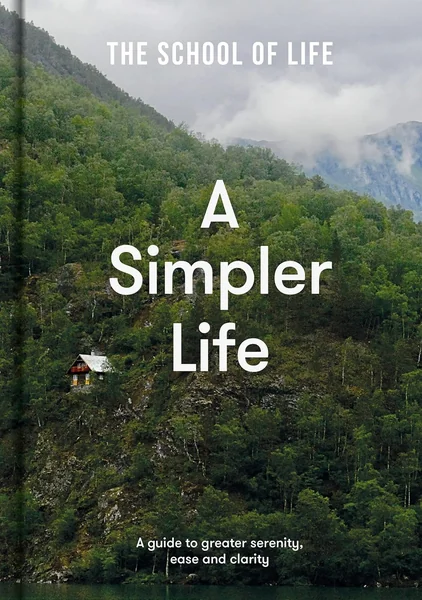
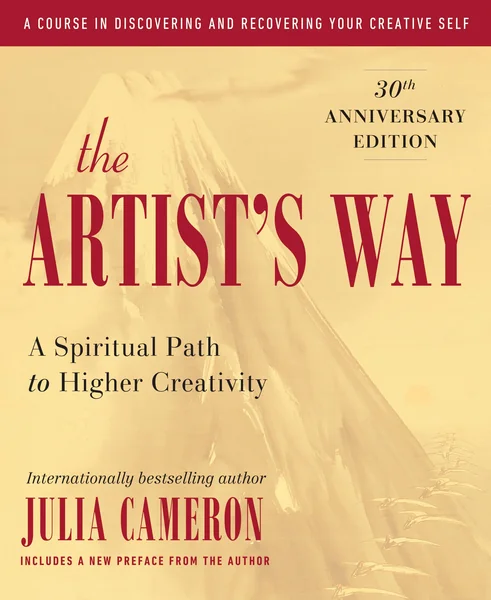
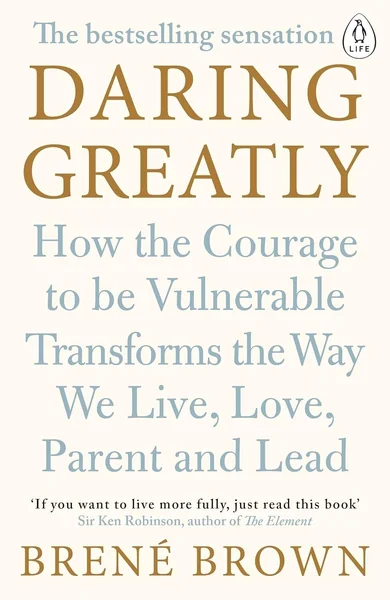
Readers drawn to Cozy will find natural companions in the curated selection below. A Simpler Life by The School of Life shares the intentional-living ethos and approachable, reflective tone. The Art of Happiness by the Dalai Lama similarly argues that contentment is a practice to be cultivated rather than a condition that arrives on its own. For those who responded to Cozy's memoir-inflected voice, The Artist's Way by Julia Cameron offers another personal, process-driven approach to reclaiming everyday life. Brianna Wiest's The Pivot Year and Brené Brown's Daring Greatly round out the selection for readers interested in the broader intentional and wholehearted-living conversation.
Who should read this?
Cozy is best suited to readers who want to be moved toward a shift in perspective as much as handed a toolkit — those who respond to ideas delivered through personal narrative rather than systematic instruction. It is a natural companion for anyone drawn to the slow-living or intentional-living space, particularly those who found the hygge conversation compelling but wanted something rooted in a more individual, less culturally specific voice. LuvemBooks also highlights it as a strong choice for readers going through a difficult period who are looking for a warmly argued case for treating everyday comfort as a form of self-respect.
About Isabel Gillies
Isabel Boyer Gillies is an American author and actress.
What are the main themes?
The organising theme is that coziness is an active, interior practice — something consciously built rather than passively received. Gillies weaves in themes of self-care as self-respect, the importance of paying attention to small daily choices, and the idea that authentic comfort "comes from within" rather than from cultural ritual or external circumstance. The memoir strand introduces themes of personal resilience and the value of intimate, human-scale life, particularly during difficult times.
Where should I start with Isabel Gillies?
For readers new to Isabel Gillies, entry point depends on what they are looking for. Happens Every Day — her New York Times bestselling memoir — showcases the personal narrative voice at full length and is the work that established her reputation as a storyteller. Cozy is the natural choice if the intentional-living or comfort-living subject matter is the primary draw, as it applies that same voice to a lifestyle-manifesto format with the added texture of hand-drawn illustrations.
Summarize this book

Summarize this book

Cozy: The Art of Arranging Yourself in the World is a hybrid work by Isabel Gillies — part manifesto, part memoir, part lifestyle guide — built around the central argument that coziness is a conscious act of self-arrangement, not an ambient condition. Gillies states the premise plainly: "Cozy isn't something that just exists. You have to make cozy happen." The book weaves personal reflection with practical encouragement and cultural argument, illustrated throughout with hand-drawn artwork, to show readers how to seek out missed opportunities for self-care and build a more intimate, authentic life — especially when circumstances are difficult.

Follow up

What genre does it fit in?
Does the illustrated edition add much?
Is the book specifically about getting through hard times?

Synthesized from verified book data & published reviews · How we review

Ask LuvemBooks

What would you like to know about Cozy?

Answers come from our editorial notes on this book. If we haven't covered something, we'll say so.

Readers often ask

Our Review

We review the evidence: published critics, reader verdicts and BookTube reviews, gathered and weighed with AI assistance and edited by LuvemBooks, rather than one reader's first-hand take.

A hybrid of manifesto, lifestyle guide, and memoir, Cozy argues that comfort is something readers must actively choose and build for themselves — and it makes that case with notable warmth and hand-drawn illustrations throughout.

What the Book Actually Is and Argues

Cozy: The Art of Arranging Yourself in the World is not a straightforward self-help manual or a design book, and it resists easy shelving. Isabel Gillies, bestselling author of the memoir Happens Every Day, structures the book as an interlocking blend of personal reflection, practical encouragement, and cultural manifesto.
Its central argument is stated plainly in the book's own memorable formulation: "Cozy isn't something that just exists. You have to make cozy happen." That premise drives the entire work: coziness is a conscious act of self-arrangement, not an ambient condition.
The book is designed to show readers how to seek out the often-missed opportunities to care for themselves and to build a more intimate and authentic life, even — and especially — when circumstances are difficult.

Place in the Genre and Why It Matters

Published by Harper Paperbacks in 2021, Cozy arrived at a cultural moment when readers were already gravitating toward Nordic-inspired comfort literature, a space shaped in part by Meik Wiking's The Little Book of Hygge. The publisher explicitly positions Gillies's book for fans of that title, while distinguishing it on a key point: where hygge leans on cultural ritual and shared atmosphere, Cozy locates comfort as an interior quality — something that "comes from within."
That pivot gives the book its particular angle. Gillies draws on her own life and voice rather than an imported framework, which gives the work a distinctly American, personal texture that sets it apart from the Scandinavian-wellness shelf it sits beside.

Strengths: Voice, Form, and Design Intent

The book's hybrid form is one of its most deliberate strengths. By weaving memoir into manifesto, Gillies gives the philosophical argument a human, lived grounding rather than leaving it as abstract advice.
The hand-drawn illustrations — included throughout the illustrated edition — are described by the publisher as complementing the book's warmth; they signal that this is a tactile, browsable object as much as a linear read. The prose is designed to function as what the publisher calls "a call to action," not a passive collection of mood-board suggestions.
Purist magazine described the book as helping readers "uncover the essence of a peaceful moment," and a blurb collected by the publisher characterizes it as "beautifully written with warmth and heart" and "a balm for hard times" — reception language that underscores the intentional, sustaining quality the book aims for.

Genuine Limitations and Who It May Frustrate

The book's greatest strength — its intimate, personal voice — is also the quality most likely to divide readers. Cozy is not a structured workbook or a step-by-step program; it is an essayistic, memoir-inflected argument, and readers who arrive expecting concrete checklists or a systematic method may find the form more impressionistic than instructional.
The hybrid genre (part manifesto, part memoir, part lifestyle guide) means no single strand is developed to the depth a specialist book in any one of those categories would achieve. Additionally, because Gillies draws heavily on her own experience and sensibility to illustrate what coziness means, readers whose circumstances or temperaments differ sharply from hers may find some of the touchstones less universally transferable than the book's broad framing implies.

Who This Book Is genuinely For

Cozy is well-suited to readers who respond to ideas delivered through personal narrative — who want to be moved toward a shift in perspective as much as handed a toolkit. It is a natural companion for anyone drawn to the slow-living or intentional-living space, particularly those who found the hygge conversation compelling but wanted something rooted in a more individual, less culturally specific voice.
The book's core proposition — that capitalizing on simple choices can make even hard times more bearable — is framed as accessible to anyone willing to pay attention differently. For readers seeking a reflective, warmly argued case for treating everyday comfort as a form of self-respect, Gillies delivers exactly what the book promises.

Sources & Further Reading

The key facts and claims in this review are grounded in the retrieved, verified sources listed below.

  1. Cited in this review
  2. 1
  3. 2
  4. Further reading
  5. 3

    Isabel Gillies, LuvemBooks

  6. 4

    Bookshop.org

Age & Reading Level

Recommended age

Adult

Skip if you want a structured, step-by-step self-help programme with concrete checklists rather than an essayistic, memoir-inflected argument.

From our readers

Reader reviews

Be one of the first readers to answer.

Read it? Was it right for you?

Books like Cozy

Curated picks for readers who enjoyed Cozy, with our reasoning for each match.

If you liked Cozy