7 min read
4.6
· 2,735 Amazon ratingsShare This Review
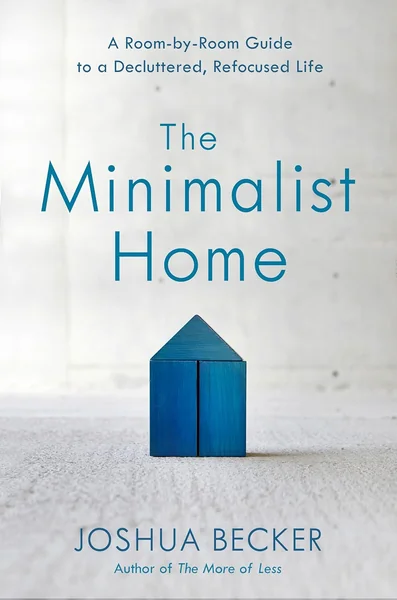
The Minimalist Home by Joshua Becker Review: A Practical, Room-by-Room Decluttering Guide
Joshua Becker's The Minimalist Home: A Room-by-Room Guide to a Decluttered, Refocused Life is a structured, practical guide that walks readers through decluttering every space in their home, framed not merely as a tidying exercise but as a broader invitation to reevaluate priorities, reclaim time, and build a more intentional life — though its later sections on downsizing skew toward homeowners rather than renters or smaller households.
LuvemBooks Verdict
Best for
Readers — especially families — who want both a concrete, room-by-room action plan and a values-based motivational framework to sustain long-term decluttering, particularly those new to minimalism or those who have tried other methods and stalled.
Worth it if
You need more than a tidying checklist — specifically, a structured system that connects clearing physical space to broader goals around mental health, time, and family life, and you're willing to engage with the process as a shared household effort.
Skip if
You're a renter, apartment dweller, or anyone without the financial flexibility to move, and you're mainly interested in a no-philosophy, purely procedural decluttering system — the later downsizing section will feel disconnected, and the wellness framing throughout may feel like more than you signed up for.
What readers & critics say
Treehugger notes that Becker's book functions as more than a how-to guide, connecting the physical act of decluttering to broader lifestyle topics — from fast fashion to sleep environments — in a way that "could almost be categorized as a wellness/lifestyle read." Reader reviewers at mynonexistentminimalism.com and austerejohn.com broadly affirm the book's practical checklists while flagging the final downsizing section as the least relatable portion, particularly for renters and those in smaller living situations.
Sources: Treehugger, My Nonexistent Minimalism, Austere JohnAsk LuvemBooks
Was this helpful?
- Is it worth reading?
- For readers who want both a concrete action plan and a motivational framework to sustain it, The Minimalist Home is a standout in the minimalism genre — USA Today described it as 'like a lighthouse on a stormy sea,' and New York Times bestselling authors Marc and Angel Chernoff credited it as the guide that helped them reach their own minimalism goals. The room-by-room structure with checklists makes the process systematic and repeatable, while the values-based scaffolding gives the method staying power beyond the initial clear-out. The main caveat is that readers seeking a purely logistical, no-philosophy system, or those in renting or smaller living situations, may find portions of the book less applicable.
- Similar books
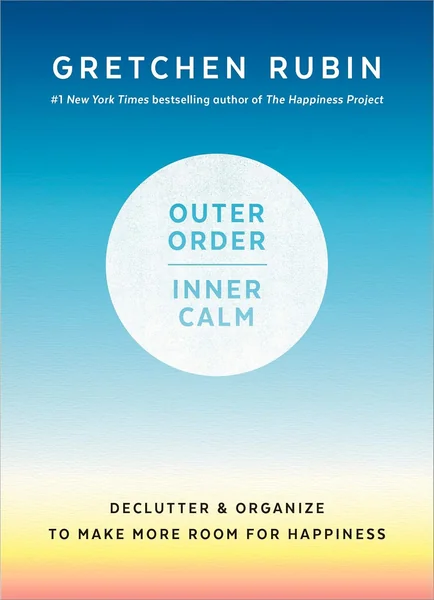
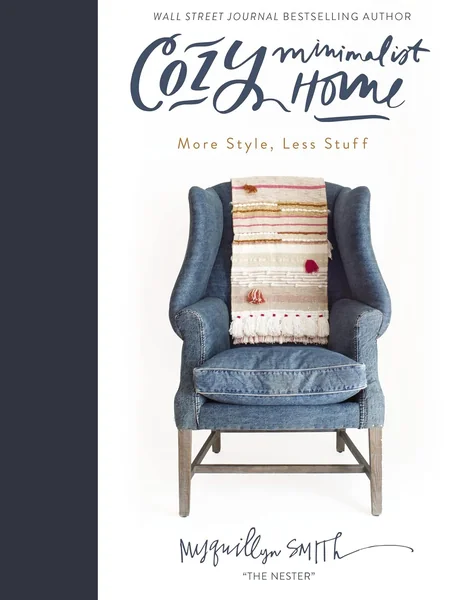
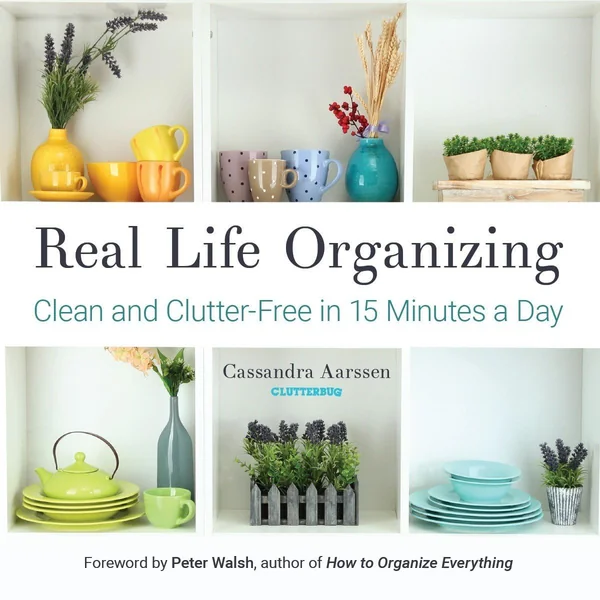
- Readers drawn to The Minimalist Home will find natural companions in several titles. Gretchen Rubin's Outer Order, Inner Calm similarly connects physical decluttering to mental wellbeing, though with a lighter, more aphoristic touch. Myquillyn Smith's Cozy Minimalist Home offers a style-conscious take on owning less without sacrificing warmth or personality. For a more organizational-systems approach, Cassandra Aarssen's Real Life Organizing and Clea Shearer and Joanna Teplin's The Home Edit: A Guide to Organizing provide highly visual, practical frameworks. Sarah Susanka's The Not So Big House is a thoughtful companion for readers who resonated with Becker's downsizing section and want to think more deeply about intentional home design. Marie Kondō's The Life-Changing Magic of Tidying Up is the genre touchstone and a natural point of comparison, though it is not currently in the LuvemBooks catalogue.
- Who should read this?
- The Minimalist Home is most squarely aimed at readers who want both a concrete action plan and a motivational framework — those who need not just to know how to declutter but why it matters enough to sustain the effort. Households willing to engage with the process as a shared family project will find the most alignment with Becker's approach. Readers new to minimalism, or those who have tried other methods and stalled, are the book's natural core audience; those already deeply committed to minimalism philosophy may find the foundational sections familiar.
- About Joshua Becker
- Joshua Becker is an American author, writer, and philanthropist.
- What are the main themes?
- The Minimalist Home weaves together several interconnected themes: intentional living, mental health and wellness, family participation, and the relationship between physical environment and personal goals. Becker's central argument is that clearing physical clutter is not an end in itself but a foundation for reclaiming time, reducing stress, and building a more purposeful life. The book also engages with themes of parenting and shared household values, positioning decluttering as a collective project rather than an individual discipline.
- How was it received?
- The Minimalist Home received strong endorsements and press recognition upon publication. USA Today described it as 'like a lighthouse on a stormy sea,' signaling its reception as a meaningful resource at a moment of high interest in decluttering and intentional living. New York Times bestselling authors Marc and Angel Chernoff called it 'exactly what we all need — a slim read that's packed with all-new information, authentic stories, and tried-and-true solutions to life's relentless clutter,' and credited it as the guide that helped them reach their own minimalism goals. Reader pushback has been most pointed around the downsizing section, which some — particularly renters and those in smaller living situations — have found the least relevant.
Summarize this book
Follow up
Synthesized from verified book data & published reviews · How we review
Press Enter to ask. Answers come from our editorial Q&A — start typing to see related questions.
Age & Reading Level
Recommended age
Adult
Reading level
Adult
who it suits
Skip if you want a purely procedural, philosophy-light decluttering system with no lifestyle or wellness framing.
Our Review
What the Book Actually Is and Does

Significance and Place in the Minimalism Genre
Strengths: Beyond the Checklist
Limitations and Who May Feel the Friction
Who This Book Is Genuinely For
Sources & Further Reading
The key facts and claims in this review are grounded in the retrieved, verified sources listed below.
- Cited in this review
- 1
- 2
- 3
mynonexistentminimalism.com
- Further reading
- 4
Joshua Becker, Wikipedia
- 5
- 6
becomingminimalist.com
- 7
- 8
- 9
- 10
- 11
Books like The Minimalist Home
Curated picks for readers who enjoyed The Minimalist Home, with our reasoning for each match.
If you liked The Minimalist Home