Our reviews
1,017 books, each with who it's for, who should skip it, reading level and content notes, and every source we used.
1,017 reviews
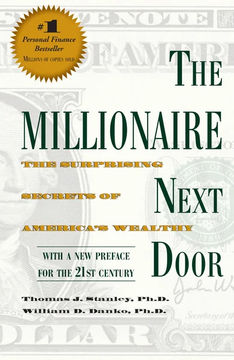
Thomas J. Stanley and William D. Danko
Best for: Readers new to personal finance who want to engage with the foundational, research-backed text behind the "live below your means" argument — rather than one of its many derivative summaries — and who are ready to apply the PAW/UAW self-diagnostic framework to their own financial situation.
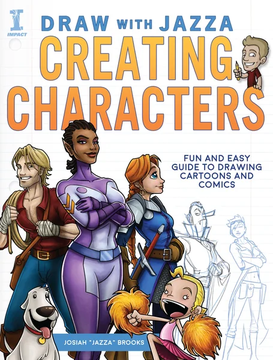
Josiah Brooks
Best for: Self-taught artists, hobbyists, and students with little formal training who want a clear, genre-flexible, repeatable system for designing original characters across comics, cartoons, and video games.
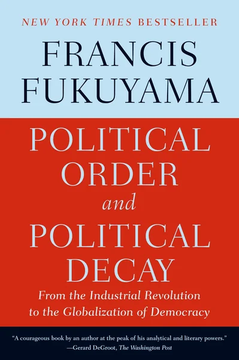
Francis Fukuyama
Best for: Readers with a grounding in political science or comparative history who want a rigorous, historically sweeping diagnosis of how liberal democracies decay from within — particularly those who have already read The Origins of Political Order and want to complete Fukuyama's two-volume project.
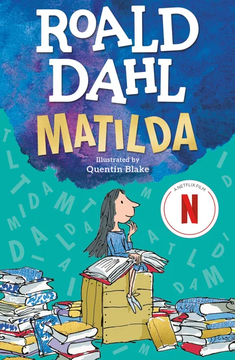
Roald Dahl
Best for: Middle-grade readers (grades 3–7) who love books and stories, and adults selecting a perennial classroom or library essential that champions childhood intelligence and self-determination.
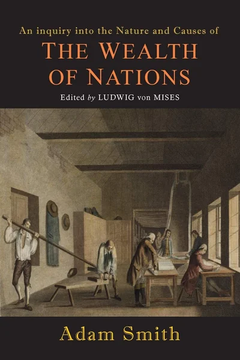
Adam Smith
Best for: Students of economics, political philosophy, or intellectual history who want to engage with the original primary text — unmediated, in full — rather than a summary or secondary account of Smith's ideas.

Andy Murray
Best for: Andy Murray fans and British sports biography readers who want an immersive, first-person account of the historic 2012–2013 period that ended a 77-year wait for a British men's Wimbledon champion.
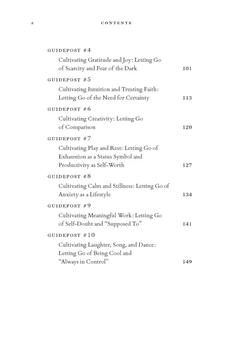
Brené Brown
Best for: Readers new to Brené Brown's work who want a compact, research-grounded introduction to wholehearted living — particularly those wrestling with perfectionism, shame, or the need for external approval — as well as book clubs seeking a structured framework for personal reflection.
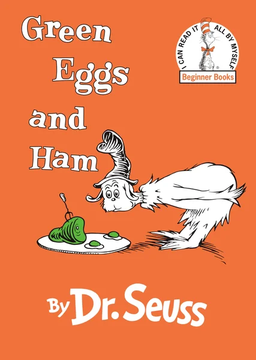
Dr. Seuss
Best for: Parents, caregivers, and early-years educators looking for a rhythmically irresistible, vocabulary-controlled read-aloud that builds early reading confidence in children ages 3–7 through joyful repetition and a gentle openness-to-new-things lesson.
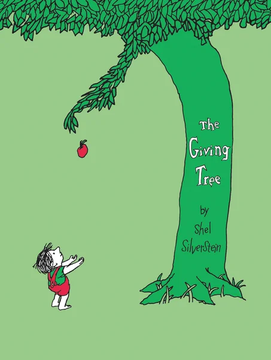
Shel Silverstein
Best for: Parents, caregivers, and educators who want a picture book that sparks genuine, open-ended conversation about generosity, relationships, and what it means to give — and who are comfortable sitting with ambiguity rather than a tidy moral resolution.
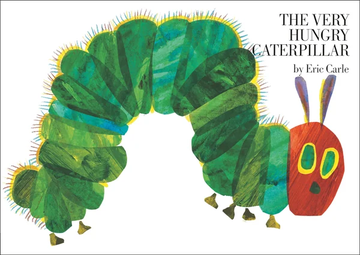
Eric Carle
Best for: Parents, caregivers, and gift-givers looking for a first picture book for babies and toddlers who are just beginning to learn counting, days of the week, and sequencing through an irresistibly simple, tactile story.
Maurice Sendak
Best for: Parents, caregivers, and early-years educators looking for a foundational picture book that honestly addresses childhood anger and the power of imagination, to share with preschool through early-elementary readers.
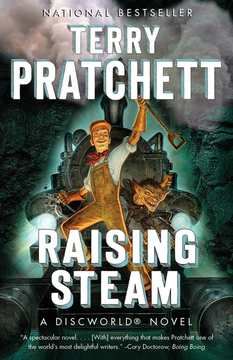
Terry Pratchett
Best for: Long-term Discworld readers who have followed Moist von Lipwig through Going Postal and Making Money, and who want to watch Ankh-Morpork cross the irreversible threshold into the industrial age — with all the political weight and elegiac resonance that carries given its place as the penultimate novel in Pratchett's series.
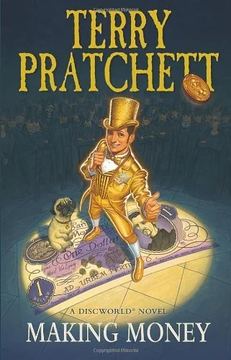
Terry Pratchett
Best for: Committed Discworld readers — particularly those who have already met Moist von Lipwig in Going Postal — and anyone drawn to comic fantasy that treats economic systems and the philosophy of money as genuine satirical and narrative material.
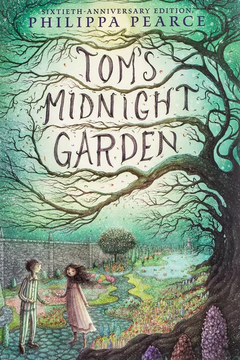
Philippa Pearce
Best for: Children aged eight to twelve — and the adults and educators who share books with them — who are drawn to emotionally precise, atmospherically rich fantasy and have the patience for a mystery that unfolds through accumulation rather than action.
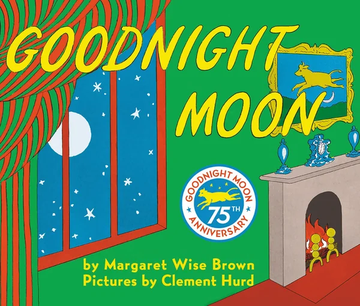
Margaret Wise Brown
Best for: Parents, grandparents, and caregivers of babies and toddlers who want a structured, repetitive bedtime ritual grounded in familiar domestic objects — particularly those who value knowing the developmental thinking behind what they're reading aloud.
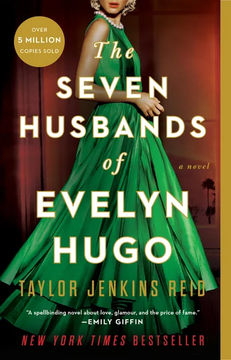
Taylor Jenkins Reid
Best for: Readers who love morally complex, plot-driven historical fiction with LGBTQ+ themes and a glamorous Old Hollywood setting — particularly those who enjoy compulsive, binge-worthy narratives built around a charismatic, deeply secretive protagonist.
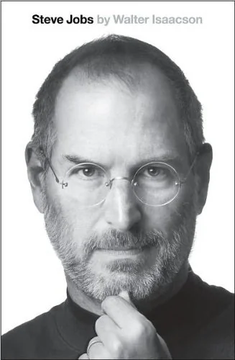
Walter Isaacson
Best for: Readers drawn to business history, technology, or biography who want the most comprehensively sourced portrait of Steve Jobs available — particularly those curious about the psychology of creative leadership and how a single personality reshaped multiple industries.
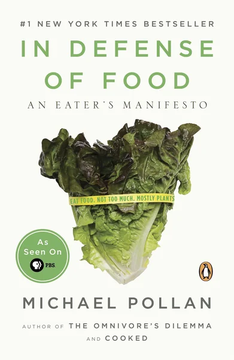
Michael Pollan
Best for: Readers who feel confused or overwhelmed by the ever-shifting landscape of dietary advice and want a clear, historically grounded framework for eating — without calorie-counting or nutritional jargon.
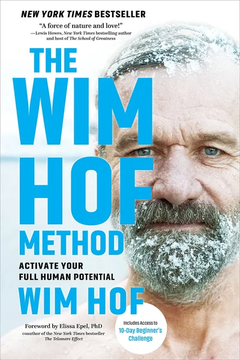
Wim Hof
Best for: Readers curious about breathwork, cold therapy, or mind-body resilience who want the definitive, first-person account of the Wim Hof Method — especially those drawn to a blend of personal memoir, practical step-by-step instruction, and accessible wellness science.
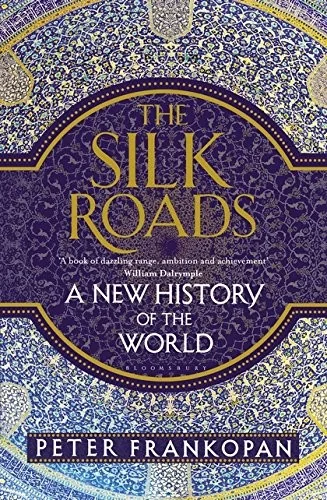
Peter Frankopan
Best for: Historically curious general readers who find the conventional Western-centric narrative of world history unsatisfying and want a sustained, accessible argument for why Central Asia, the Middle East, and the Silk Roads — not the Mediterranean — have been the true engine of civilisation.
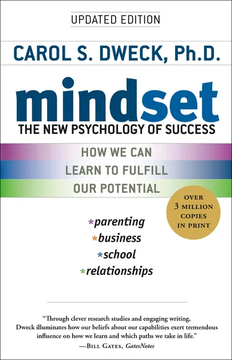
Carol S. Dweck
Best for: Curious general readers — whether in education, business, sport, or parenting — who want a research-grounded introduction to how beliefs about ability shape achievement across virtually every life domain.
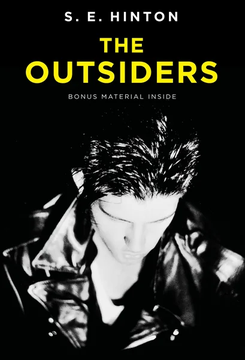
S. E. Hinton
Best for: Middle- and high-school readers — and adults revisiting their school years — who want a short, emotionally honest coming-of-age story about class, loyalty, and identity that still feels urgent decades after it was written.
Timothy Snyder
Best for: Civically engaged general readers who want a historically grounded, action-oriented introduction to democratic backsliding and how to resist it — without committing to a lengthy academic text.
Gretchen Rubin
Best for: Readers who want to maintain a long-term personal record but have repeatedly abandoned traditional journals — particularly those already engaged with Gretchen Rubin's work on habits and happiness.
