

9 min read
4.8
· 36,747 Amazon ratingsShare This Review
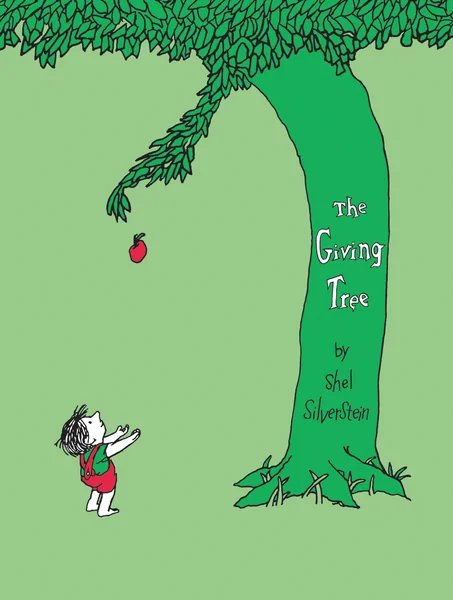
The Giving Tree by Shel Silverstein Review: Beloved, Contested, Enduringly Divisive Classic
First published in 1964 by Harper & Row, Shel Silverstein's The Giving Tree is a children's picture book that has spent six decades generating both fierce devotion and fierce debate — one of the most talked-about titles in American children's literature, and one of its most genuinely unresolved.
 Tap to enlarge
LuvemBooks Verdict
Best for
Parents, caregivers, and educators who want a picture book that sparks genuine, open-ended conversation about generosity, relationships, and what it means to give — and who are comfortable sitting with ambiguity rather than a tidy moral resolution.
Worth it if
You value picture books that function differently at different life stages — offering children a simple story of companionship while prompting adults to reflect, sometimes uncomfortably, on the nature of giving and reciprocity.
Skip if
You want children's literature that models unambiguously healthy relationship dynamics and provides clear moral guidance, because this book's deliberate refusal to editorialize will frustrate rather than satisfy that expectation.
What readers & critics say
Wikipedia describes the book as "one of the most divisive books in children's literature," with the central controversy hinging on whether the tree-and-boy relationship depicts selfless love or something closer to an abusive dynamic. The New Yorker reports that the book ranks high on both "favorite" and "least favorite" lists of children's books simultaneously, with author Laurel Snyder noting the discomfort it can send to new mothers about what giving is "supposed" to look like.
“A strange thing happens when we encounter a book we used to love and suddenly find it charmless; the feeling is one of puzzled dissociation.”
— newyorker.comAge & Reading Level
Recommended age
Ages 5–8
who it suits
Best for: Ages 4+ — simple prose and illustrations are accessible to young children; the book's deeper questions about generosity and relational dynamics grow more resonant with age and life experience.
Skip if you want a children's picture book that models clearly healthy, reciprocal relationships and offers an unambiguous moral framework.
The Giving Tree by Shel Silverstein is Trending
The Giving Tree Is Having a Moment on TikTok Right Now
Shel Silverstein's classic is making the rounds on TikTok, with creators sharing read-alouds, nostalgic memories, and takes on the book's famously complicated themes. It's a reminder that this little picture book never really goes away.
The Giving Tree has been popping up all over TikTok lately, with multiple videos circulating under tags like #childrensbook, #readaloud, and #bedtimestory. Creators are sharing everything from full read-alouds narrated by Silverstein himself to personal childhood memories — one TikToker even recalled checking the book out from their school library so many times that the card was basically just their name. It's the kind of organic, nostalgic buzz that keeps a 60-year-old picture book in the conversation.
What makes this TikTok moment interesting is that The Giving Tree isn't just beloved — it's genuinely divisive. Is the tree a model of selfless love or a cautionary tale about being taken advantage of? That debate has never really been settled, and it turns out short-form video is a pretty good format for relitigating it. When one person posts a warm, teary read-along, someone else replies with a very different take, and suddenly a children's book is driving real conversation.
If you haven't revisited it since childhood, now's a good time. It reads in about ten minutes, but the arguments it starts can last much longer.
In This Review
- What Works & What Doesn't
- What the Book Actually Is
- Publication History and Cultural Footprint
- The Enduring Debate at Its Heart
- What Silverstein's Design Achieves
- Who This Book Is For — and Who It Challenges
What Works & What Doesn't
What Works
- One of Shel Silverstein's best-known titles, translated into numerous languages and sustained in print for over sixty years
- Spare, minimalist storytelling deliberately designed to support multiple valid interpretations across different life stages
- Inspired a notable range of cultural adaptations, including a Silverstein-narrated animated film and a Spike Jonze short film
- Stripped-back black-and-white illustrations reworked by Silverstein into a style a Harper & Row editor described as 'more pared-down and much sweeter'
- Generates genuine, substantive conversation about generosity, relationships, and reciprocity — rarely leaving readers indifferent
What Doesn't
- Librarian Elizabeth Bird has called it 'one of the most divisive books in children's literature' — readers who want picture books to model unambiguously healthy relationships will find the tree-and-boy dynamic troubling rather than enriching
- The book's deliberate refusal to editorialize means it offers no guidance on how to interpret the relationship it depicts, which frustrates readers seeking a clear moral framework
What the Book Actually Is
Publication History and Cultural Footprint
The Enduring Debate at Its Heart
What Silverstein's Design Achieves
Who This Book Is For — and Who It Challenges
Frequently Asked Questions
Sources & Further Reading
The key facts and claims in this review are grounded in the retrieved, verified sources listed below.
- Cited in this review
- 1
- 2
- Further reading
- 3
Shel Silverstein, Wikipedia
- 4
en.wikipedia.org
- 5
shelsilverstein.com
- 6
poemanalysis.com
- 7
theinvisiblementor.com
- 8
- 9
thechildrensbookreview.com
- 10
yabookscentral.com
- 11
newbookrecommendation.com
- 12
barnesandnoble.com
Related Reviews
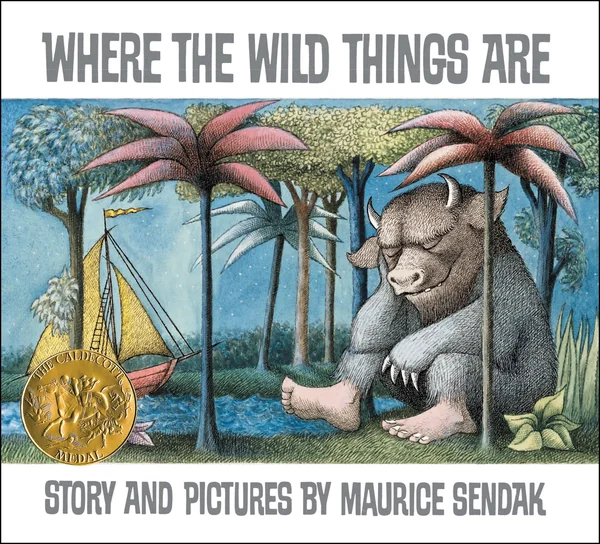
Reviews of books we picked for readers who enjoyed The Giving Tree.

Reader Comments
No comments yet
Be the first to share your thoughts!