7 min read
4.7
· 1,330 Amazon ratingsShare This Review
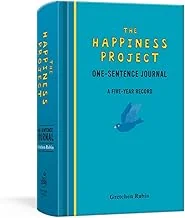
The Happiness Project One-Sentence Journal by Gretchen Rubin Review: A Deceptively Simple Five-Year Keepsake
Gretchen Rubin's The Happiness Project One-Sentence Journal is a structured diary designed to help users build a five-year personal time capsule — one sentence at a time — drawing directly on insights from her New York Times bestselling book The Happiness Project.
LuvemBooks Verdict
Best for
Readers who want to maintain a long-term personal record but have repeatedly abandoned traditional journals — particularly those already engaged with Gretchen Rubin's work on habits and happiness.
Worth it if
The one-sentence-a-day constraint genuinely appeals to you as a sustainable habit, and you're willing to commit to a single physical object across five consecutive years to watch patterns and memories accumulate.
Skip if
You prefer expansive, freeform journaling, rely on digital tools, or have no prior familiarity with The Happiness Project — because the journal contains no prompts or explanatory context to guide the practice on its own.
What readers & critics say
Rubin's own site (gretchenrubin.com) articulates the journal's core logic — that the one-sentence format helps keep happy memories vivid, surface patterns, and mark progress over time. The companion site the-happiness-project.com frames it as "satisfying yet manageable," designed specifically for those who want a life record but cannot sustain long-form writing. Retailer and publisher pages (Barnes & Noble, Penguin Random House, Powell's) consistently echo the publisher's positioning: 365 days, five years, 1,825 moments captured as "a fascinating and revealing time capsule." Blog reviewer curiouswhimsy.wordpress.com found the broader Happiness Project compelling for its sense of progress and completion, noting the one-sentence journal as a natural companion to the book.
Sources: gretchenrubin.com, the-happiness-project.com, barnesandnoble.com, powells.com, curiouswhimsy.wordpress.comAsk LuvemBooks
Was this helpful?
- Is it worth reading?
- For readers who have struggled to maintain a journaling habit, the one-sentence-per-day format directly addresses the most common barrier: the pressure to write at length. The five-year stacked layout adds a dimension no standard annual diary can offer, turning a modest daily commitment into a meaningful record of how life changes across years. That said, the format demands sustained commitment to a single physical object over five consecutive years, which is a genuine practical challenge — and readers who prize expansive, freeform writing will find a single line per day more caption than chronicle.
- Similar books
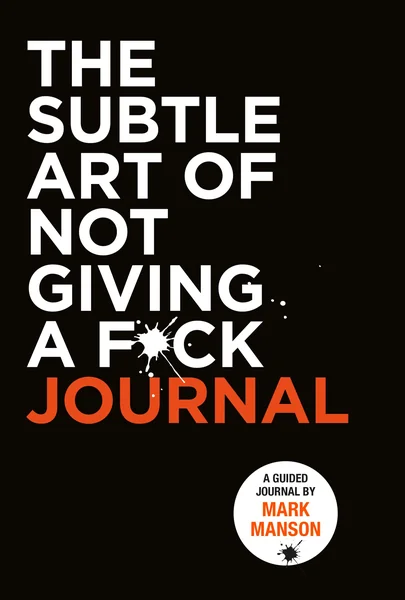
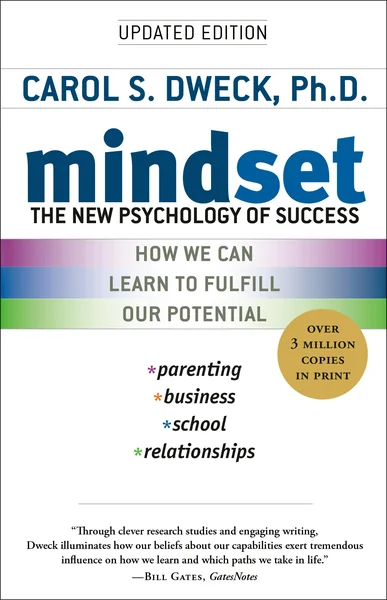
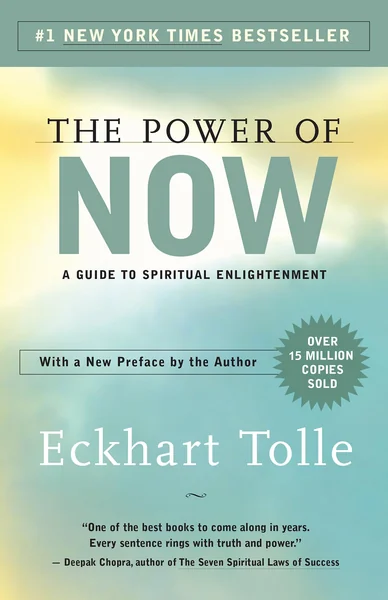
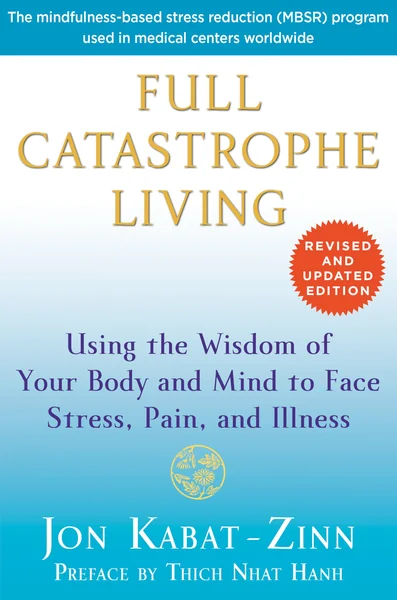
- Readers drawn to The Happiness Project One-Sentence Journal for its habit-building and self-reflection angle may also find value in Mindset: The New Psychology of Success by Carol S. Dweck, which examines how beliefs about growth and effort shape outcomes over time — a natural intellectual companion to Rubin's focus on small habits compounding. The Power of Now by Eckhart Tolle and Full Catastrophe Living by Jon Kabat-Zinn both explore present-moment awareness in ways that complement a daily one-sentence practice. For readers interested in the structured journal format itself, The Subtle Art of Not Giving a F*ck Journal by Mark Manson offers a similarly constrained, values-driven approach to self-reflection.
- Who should read this?
- This journal is best suited to adults who want to build or maintain a consistent self-reflection practice but have struggled with the time or pressure demands of long-form journaling. It is especially well-matched to readers already familiar with Gretchen Rubin's work — her books, her podcast Happier with Gretchen Rubin, or her blog — for whom the journal functions as an applied companion object. It also works well for parents wanting to document a child's years, travelers seeking a portable record, or anyone tracking a multi-year project or personal milestone.
- About Gretchen Rubin
- Gretchen Craft Rubin is an American author, blogger, and speaker.
- How does this compare to Rubin's other books?
- Unlike Rubin's written works — such as The Happiness Project or Outer Order, Inner Calm: Declutter, which are text-driven explorations of habits and happiness — the One-Sentence Journal is a structured diary product rather than a book to be read. It contains no explanatory text, arguments, or narrative; its value is entirely in its use over time. Where Rubin's books articulate the philosophy behind small habits compounding, the journal is the applied practice of that philosophy — a companion object rather than a standalone work.
- Can this help build a journaling habit?
- The journal's design directly targets the most common reason people abandon journals: the pressure to write at length. By limiting the daily commitment to a single sentence, it lowers the barrier to entry as far as it can reasonably go. Rubin's underlying logic, as articulated on her own site, is that small habits compound over time — and the five-year format is built precisely to make that compounding visible, allowing a reader to see what they recorded on the same date in prior years.
Summarize this book
Follow up
Synthesized from verified book data & published reviews · How we review
Press Enter to ask. Answers come from our editorial Q&A — start typing to see related questions.
Age & Reading Level
Recommended age
Adult
Reading level
Adult
who it suits
Skip if you prefer expansive, freeform journaling or want guided prompts and explanatory context within the journal itself.
Our Review
What the Journal Is and How It Works
The Concept's Origins and Rubin's Platform
The Core Argument for the Format
Genuine Strengths
Limitations and Who May Struggle With It
Sources & Further Reading
The key facts and claims in this review are grounded in the retrieved, verified sources listed below.
- Cited in this review
- 1
- 2
gretchenrubin.com
- Further reading
- 3
Gretchen Rubin, Wikipedia
- 4
- 5
the-happiness-project.com
- 6
spiritualityandpractice.com
- 7
- 8
newbookrecommendation.com
- 9
- 10
- 11
Books like The Happiness Project One-Sentence Journal
Curated picks for readers who enjoyed The Happiness Project One-Sentence Journal, with our reasoning for each match.
If you liked The Happiness Project One-Sentence Journal