BOOKS
Published
Read Time
7 min read
Our Rating
3.8
A solid introduction to breathing and cold exposure techniques with scientific backing, though some claims extend beyond current research.
Best suited for readers willing to commit to gradual, physical practices for stress management and resilience building.
Reviewed by
LuvemBooks
Share This Review
The Wim Hof Method by Wim Hof - Complete Book Review
Our Rating
3.8
A solid introduction to breathing and cold exposure techniques with scientific backing, though some claims extend beyond current research. Best suited for readers willing to commit to gradual, physical practices for stress management and resilience building.
In This Review
- What Works & What Doesn't
- The Science Behind the Ice Bath
- Breaking Down the Practical Framework
- The Man Behind the Method
- Where the Method Shines and Stumbles
- Who Should Take the Plunge
- Where to Buy
What Works & What Doesn't
What Works
- Provides concrete, step-by-step protocols with specific breathing techniques and cold exposure progressions rather than vague wellness advice
- Grounded in actual scientific research, including studies at Radboud University Medical Center that validated some of Hof's claims about influencing immune response
- Emphasizes safety with conservative progressions starting from 30-second cold showers and warnings against rushing advanced techniques
- Offers measurable, physical practices that promise tangible results in stress management, immune function, and mental resilience
- Explains the physiological rationale behind each component, including oxygen/carbon dioxide levels and blood pH balance effects
What Doesn't
- Research into the method remains ongoing, indicating incomplete scientific validation of all claims
- The review appears to cut off mid-sentence, suggesting potential issues with the book's completeness or the reviewer's engagement
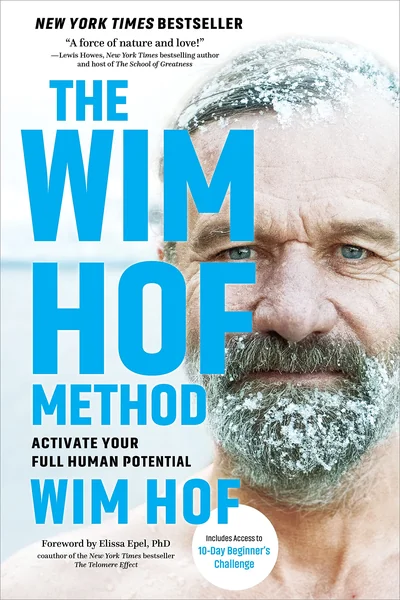
The "Iceman" has made quite the splash in wellness circles, but is The Wim Hof Method actually worth the cold plunge? This New York Times bestseller promises to unlock extraordinary human potential through breathing, cold exposure, and mental conditioning. While Hof's claims about controlling the autonomic nervous system once seemed impossible, scientific studies have begun validating some of his more remarkable assertions about the method's physiological effects.
For readers familiar with books like Atomic Habits or The Power of Now, Hof's approach stands out for its emphasis on measurable, physical practices rather than purely mental techniques. Where other wellness books focus on mindset shifts, The Wim Hof Method delivers concrete protocols for breathing exercises and gradual cold exposure that promise tangible results in stress management, immune function, and mental resilience.
The Science Behind the Ice Bath
Hof builds his method on three foundational pillars: specialized breathing techniques, cold exposure therapy, and mental focus training. The breathing component draws from pranayama and other ancient practices but adds Hof's distinctive approach of controlled hyperventilation followed by breath retention. This technique allegedly allows practitioners to influence their autonomic nervous system—something conventional medicine long considered impossible.
The cold exposure element progresses systematically from cold showers to ice baths, with the author arguing that controlled stress through cold triggers beneficial adaptations in the body's stress response systems. The mental training aspect teaches practitioners to maintain calm focus during physical discomfort, building what Hof calls "inner fire."
What sets this Wim Hof book apart from typical wellness literature is its grounding in actual research. Hof has participated in multiple scientific studies, including research at Radboud University Medical Center that demonstrated his ability to consciously influence his immune response. The book references these studies while acknowledging that research into the method remains ongoing.
Breaking Down the Practical Framework
The Wim Hof Method provides detailed, step-by-step protocols rather than vague inspiration. The breathing technique involves specific rounds of controlled breathing followed by breath holds of increasing duration. Hof explains the physiological rationale behind each component, from the role of oxygen and carbon dioxide levels to the impact on pH balance in the blood.
The cold exposure progression starts conservatively with 30-second cold shower endings and builds gradually toward longer exposures. The author emphasizes safety throughout, warning against rushing the process or attempting advanced techniques without proper preparation. The mental training component integrates meditation principles with practical exercises for maintaining focus during physical stress.
What makes these protocols accessible is Hof's acknowledgment of individual variation. Rather than prescribing identical routines for everyone, he provides frameworks that readers can adapt based on their current fitness level, health status, and personal goals. The book includes troubleshooting sections for common challenges and modifications for those with specific health conditions.
The Man Behind the Method
Wim Hof's personal story provides compelling context for his unconventional approach to human potential. Following the tragic death of his wife, Hof turned to cold exposure and breathing practices as coping mechanisms, eventually discovering their broader applications for physical and mental resilience. His background combines elements of extreme athletics, meditation practice, and self-experimentation.
Hof's writing voice reflects his Dutch directness and genuine enthusiasm for the practices he teaches. He avoids the grandiose claims common in wellness literature, instead focusing on measurable outcomes and encouraging readers to verify results through personal experimentation. His approach emphasizes gradual progression and respect for individual limits rather than pushing for dramatic breakthroughs.
This breathing techniques book benefits from Hof's willingness to submit his methods to scientific scrutiny. Rather than dismissing skeptics, he actively collaborates with researchers and acknowledges areas where more study is needed. This scientific openness lends credibility to practices that might otherwise seem fringe or unsubstantiated.
Where the Method Shines and Stumbles
The Wim Hof Method excels in providing concrete, actionable techniques backed by emerging scientific evidence. The breathing protocols are clearly explained with helpful diagrams, and the cold exposure progressions offer realistic timelines for building tolerance. Hof's emphasis on safety and gradual progression makes advanced practices accessible to beginners.
The book's integration of ancient wisdom with modern research creates a compelling framework for understanding how controlled stress can build resilience. Hof's personal anecdotes and case studies from other practitioners provide motivation without resorting to unrealistic promises.
However, the book occasionally oversells the method's broader applications. While studies support specific physiological effects, the author's suggestions about treating various health conditions venture into territory that requires more research. Some readers may find his enthusiasm for cold exposure overwhelming, particularly those with limited access to suitable facilities or equipment.
The writing can also feel repetitive, with core concepts explained multiple times throughout different sections. A more streamlined presentation might serve readers better, especially those seeking quick reference to specific techniques.
Who Should Take the Plunge
This Wim Hof book review concludes that the method works best for readers seeking evidence-based approaches to stress management and physical resilience. Those interested in expanding their comfort zones through controlled challenges will find the progressive protocols particularly valuable. The book suits people who prefer measurable practices over purely mental or spiritual approaches to wellness.
Athletes and fitness enthusiasts may appreciate the method's potential applications for recovery and mental toughness. However, anyone with cardiovascular conditions, respiratory issues, or other significant health concerns should consult healthcare providers before attempting the techniques.
The book is less suitable for readers seeking quick fixes or those uncomfortable with physical discomfort. The practices require consistent commitment and gradual progression, making them inappropriate for anyone looking for immediate results without sustained effort.
Where to Buy
You can find The Wim Hof Method: Activate Your Full Human Potential at Amazon, local bookstores, or directly from major retailers both online and in-store.
Product Gallery