Our reviews
1,017 books, each with who it's for, who should skip it, reading level and content notes, and every source we used.
1,017 reviews
Eric Ries
Best for: Founders, product managers, and intrapreneurs who need a structured, repeatable methodology for launching and iterating on new products under uncertainty — particularly those working in tech or knowledge-based industries where rapid prototyping is feasible.
Eckhart Tolle
Best for: Readers already open to contemplative or spiritual frameworks — Buddhist, mystical, or broadly non-denominational — who want an accessible, widely discussed entry point into present-moment awareness and the idea that habitual suffering stems from over-identification with thought.
David McCullough
Best for: General readers drawn to American history and innovation who want a rigorously researched but accessible narrative — particularly those coming to the Wright brothers' story for the first time and who appreciate McCullough's humanising, family-centred approach to popular history.
Daniel J. Siegel and Tina Payne Bryson
Best for: Parents and caregivers of young children who want a scientifically grounded, immediately actionable framework for understanding and responding to their children's emotional and behavioural struggles — without needing a clinical background.
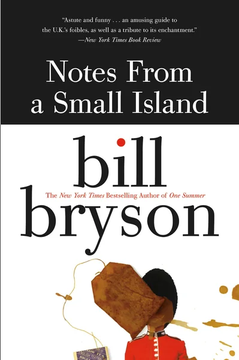
Bill Bryson
Best for: Readers who want to be charmed by Britain's quirks, history, and self-effacing culture through the eyes of a long-resident American — particularly those who enjoy humorous, essayistic travel writing over rigorous itinerary-driven narratives.
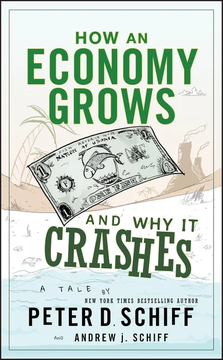
Peter D. Schiff and Andrew J. Schiff
Best for: General readers — especially curious newcomers, students seeking a counterpoint to mainstream economics curricula, and anyone who emerged from the 2008 financial crisis wanting a plain-language, illustrated explanation of what went wrong — who want an accessible entry point into Austrian economic thinking without wading through academic texts.
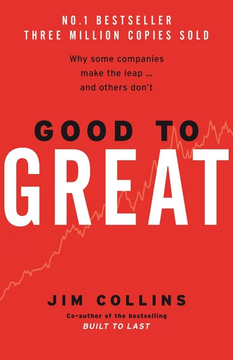
Jim Collins
Best for: Managers, MBA students, or leadership-development participants who want a research-anchored introduction to organizational strategy and want frameworks — Level 5 Leadership, the Hedgehog Concept, the Flywheel — they can test and debate against real organizational contexts.
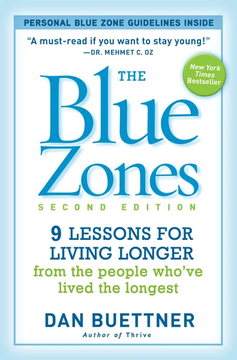
Dan Buettner
Best for: General readers curious about health, diet, aging, and community who want real-world, culturally grounded examples of longevity rather than abstract clinical advice — especially book clubs or wellness groups ready to turn the research into collective action.
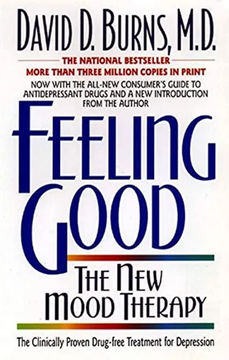
David D. Burns
Best for: Adults experiencing mild to moderate depression, anxiety, guilt, or procrastination who want a structured, evidence-based CBT framework they can work through independently — and therapists seeking a clinically credible bibliotherapy resource to recommend to clients.
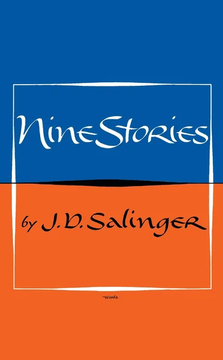
J. D. Salinger
Best for: Readers with a taste for precise, emotionally charged short fiction who are willing to sit with ambiguity — especially those tracing the arc of Salinger's work or approaching the Glass family for the first time.
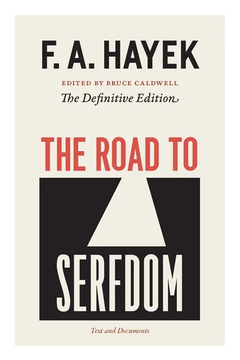
F. A. Hayek
Best for: Readers drawn to the history of economic ideas, political philosophy, or the intellectual battles of the mid-20th century who want to understand how one of the century's most important economists linked central planning to the erosion of individual liberty.
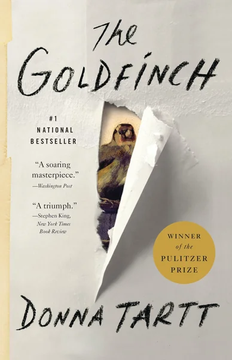
Donna Tartt
Best for: Readers drawn to large-canvas, nineteenth-century-style literary fiction who want a novel that weaves art history, grief, friendship, and moral ambiguity across an expansive, immersively plotted narrative.
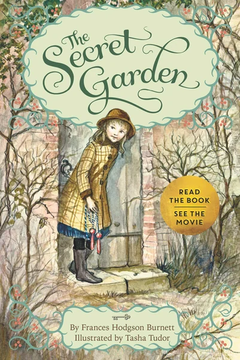
Frances Hodgson Burnett
Best for: Readers aged eight and up — and adults revisiting childhood favourites — who want a psychologically honest portrait of a difficult child, and who appreciate character-driven, atmospherically rich fiction over plot-propelled adventure.
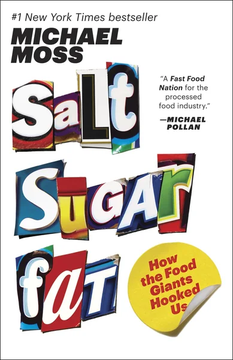
Michael Moss
Best for: Readers drawn to corporate accountability journalism and public health — particularly those who want a rigorously sourced, named-source investigation into how Kraft, Frito-Lay, Nestlé, Coca-Cola, and their peers deliberately engineered processed food to override human self-regulation.
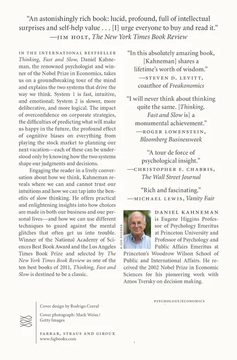
Daniel Kahneman
Best for: Readers curious about the hidden mechanics of human decision-making — whether in markets, careers, or everyday life — who want a rigorous yet accessible survey of behavioral economics and cognitive psychology from one of the field's founding figures.
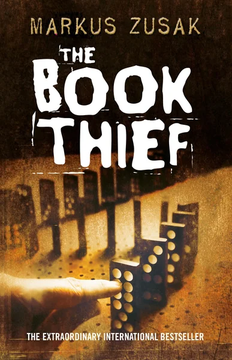
Markus Zusak
Best for: Readers — teen or adult — who want a WWII story told from an unusual, philosophically rich vantage point and are prepared for a deliberately paced, emotionally demanding novel that argues for the redemptive power of words as much as it documents the horrors of war.
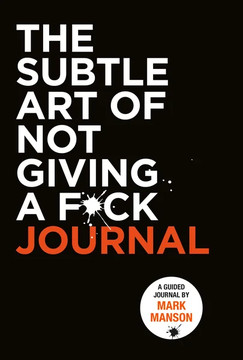
Mark Manson
Best for: Fans of The Subtle Art of Not Giving a F*ck who found Manson's philosophy resonant but want a structured, writable space to actively interrogate their own values, emotions, and priorities through his framework.

Sun Tzu
Best for: Readers serious about military history, political philosophy, or strategic theory who want a physically accessible hardcover edition of one of the most consequential and widely documented strategic texts in recorded history.
Yuval Noah Harari
Best for: Intellectually curious general readers who want a single, coherent framework for understanding how Homo sapiens came to dominate the planet — from prehistoric origins through empire, capitalism, and the threshold of a post-human future — and who bring no prior background in history, biology, or economics.
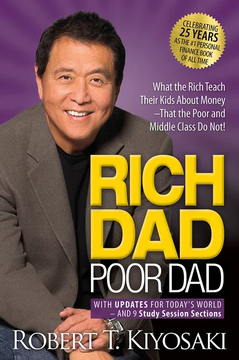
Robert T. Kiyosaki
Best for: First-time readers of personal finance who have never encountered concepts like assets vs. liabilities, passive income, or the distinction between earning a salary and building wealth — and who respond better to parable-driven narrative than to technical instruction.
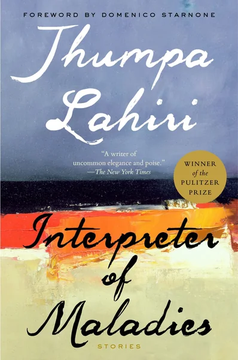
Jhumpa Lahiri
Best for: Readers drawn to psychologically precise literary short fiction who want to understand the inner life of displacement — particularly the experience of Indian and Indian American immigrants navigating cultural identity, grief, and belonging.
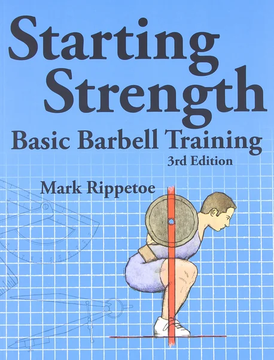
Mark Rippetoe
Best for: Anyone beginning barbell training — novice lifters, coaches working with early-stage athletes, or experienced trainees who want a biomechanically rigorous, illustrated reference for the five core barbell lifts.
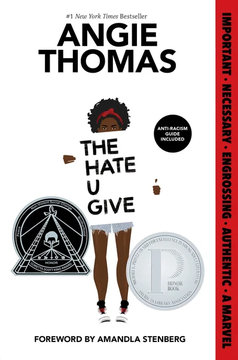
Angie Thomas
Best for: High school readers and adults drawn by the film or cultural conversation who want a character-driven story that tackles race, code switching, and systemic injustice through one teenager's specific grief and choices rather than through abstraction.
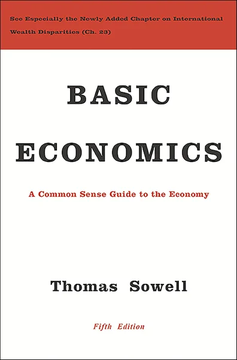
Thomas Sowell
Best for: Curious general readers who want a rigorous, jargon-free grounding in economic thinking — from prices and labor markets to international trade — without needing any prior training in the subject.
