8 min read
4.9
· 31,553 Amazon ratingsShare This Review
Goodnight Moon by Margaret Wise Brown Review: A Timeless Bedtime Classic for Every Generation
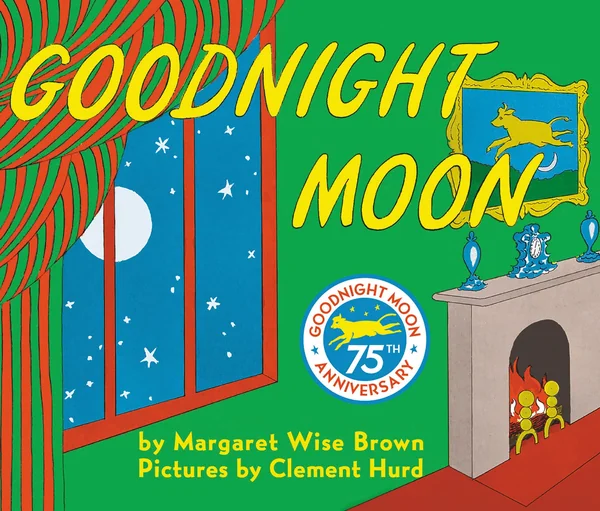
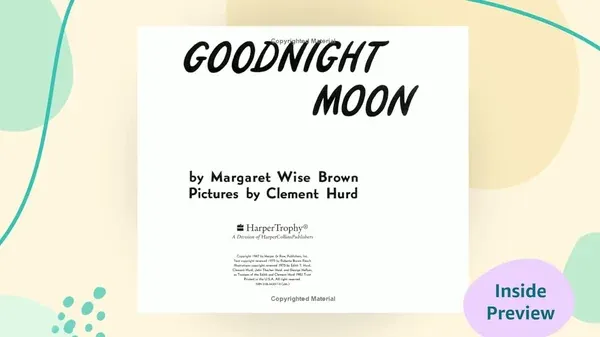
First published in 1947 and reissued in a board book edition by HarperCollins, Goodnight Moon by Margaret Wise Brown, with illustrations by Clement Hurd, is one of the most enduring children's bedtime books ever produced — a simple, deliberate ritual of farewells that has sold an estimated 48 million copies by 2017 and continues to sell approximately 800,000 copies annually as of 2007.
 Tap to enlarge
LuvemBooks Verdict
Best for
Parents, grandparents, and caregivers of babies and toddlers who want a structured, repetitive bedtime ritual grounded in familiar domestic objects — particularly those who value knowing the developmental thinking behind what they're reading aloud.
Worth it if
Worth returning to — or discovering for the first time — if you have a very young child who benefits from a calm, predictable wind-down routine; the book's design is not accidental sentimentality but a research-informed theory of what small children need from a bedtime story.
Skip if
Skip it if your child has moved past the toddler bedtime-ritual phase and is ready for stories with narrative arc and character development — the text's deliberate simplicity and repetition, while purposeful, offers nothing in the way of plot or complexity for older listeners.
What readers & critics say
Kirkus Reviews, in its original 1947 notice, called it "a really fresh idea" and praised the quality of both text and pictures, predicting that little children would love it as a going-to-sleep book. NPR, marking the book's 75th anniversary in 2022, reported that it has sold more than 40 million copies and lulled children to sleep in more than two dozen languages, with Clement Hurd's son Thacher describing the text as "very expansive" in the way it mirrors a child's drift toward sleep while evoking "a larger, more peaceful world." The New Yorker characterised Brown as a "seductive iconoclast" whose rule-breaking extended into her life as much as her work, framing Goodnight Moon as the product of a genuinely radical creative intelligence rather than cosy convention.
“Little children will love this going to sleep book — a really fresh idea by a talented and prolific author.”
— Kirkus Reviews“It mirrors what's happening for the child, but it also gives them a feeling of some other world, something else that's sort of a larger, more peaceful world.”
— NPR“Brown was a seductive iconoclast with a Katharine Hepburn mane and a compulsion for ignoring the rules.”
— The New YorkerAsk LuvemBooks
Was this helpful?
- Is it worth reading?
- For families with babies and toddlers, Goodnight Moon is widely considered an essential bedtime shelf title — its repetitive, object-by-object farewell structure is purposefully designed to support a child's natural drift toward sleep, rooted in Brown's study of childhood development at the Bank Street Experimental School under Lucy Sprague Mitchell. Its estimated 48 million copies sold by 2017 and approximately 800,000 annual sales reflect a multi-generational consensus that the book delivers on its purpose. The key caveat is its extreme simplicity: older toddlers who have outgrown the bedtime-ritual phase may find very little narrative to hold their attention.
- Similar books
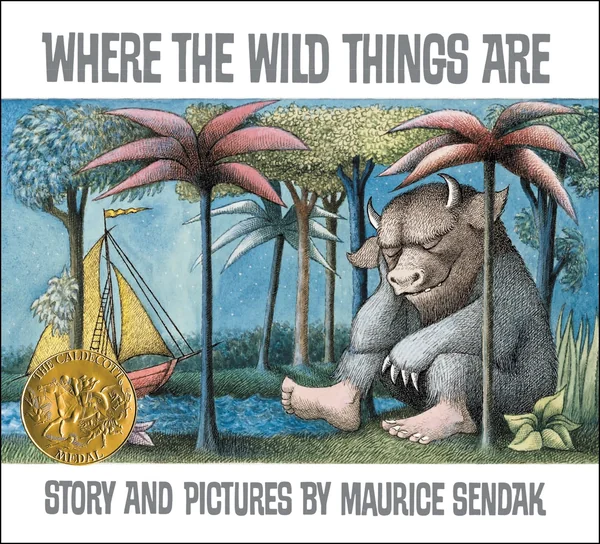
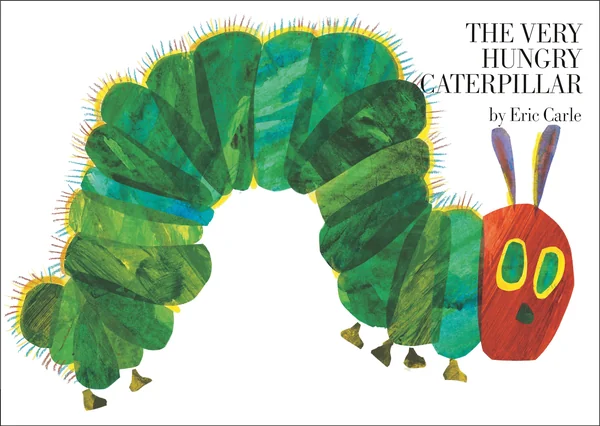
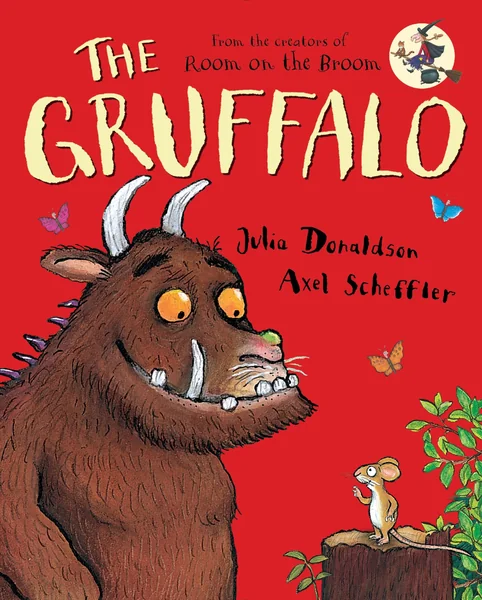
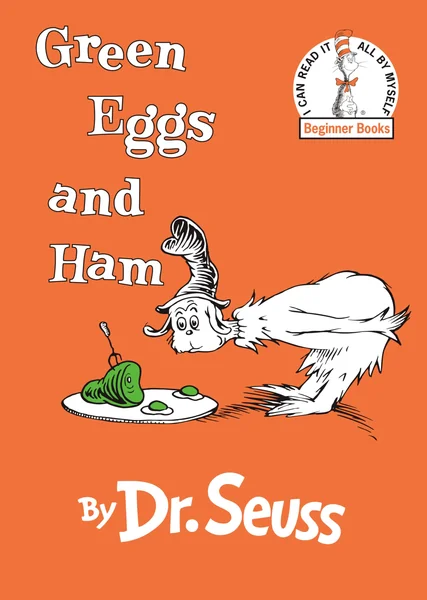
- Readers who love Goodnight Moon tend to gravitate toward other picture book classics built around imaginative childhood worlds and simple, resonant language. Where the Wild Things Are by Maurice Sendak shares the bounded, domestic-to-fantastical world of a child alone at bedtime. The Very Hungry Caterpillar by Eric Carle and The Gruffalo by Julia Donaldson both offer the kind of repetitive, cumulative structure that young children find deeply satisfying. The Rainbow Fish by Marcus Pfister rounds out a strong picture-book shelf alongside Goodnight Moon, while Oh, the Places You'll Go! by Dr. Seuss, though aimed at a slightly older audience, shares the same multigenerational gifting tradition.
- Who should read this?
- Goodnight Moon is designed for babies and toddlers, particularly as a shared bedtime read between caregiver and child. Families looking for a structured, repetitive nightly ritual built around familiar domestic objects will find the book's design well matched to that purpose. It also carries strong multigenerational appeal — grandparents who remember it from their own childhoods regularly pass it down — and its translation into at least fifteen languages signals a cross-cultural reach well beyond the anglophone children's market.
- What age is it for?
- Best for ages 0–3. The book's very short, repetitive text and simple illustrations of familiar domestic objects — a clock, a bowl of mush, a red balloon — are ideally suited to babies and toddlers who are still in the bedtime-ritual phase of early childhood. Older toddlers and preschoolers beyond that phase may find the minimal narrative less engaging, though many children continue to request it by memory well into the preschool years.
- About Margaret Wise Brown
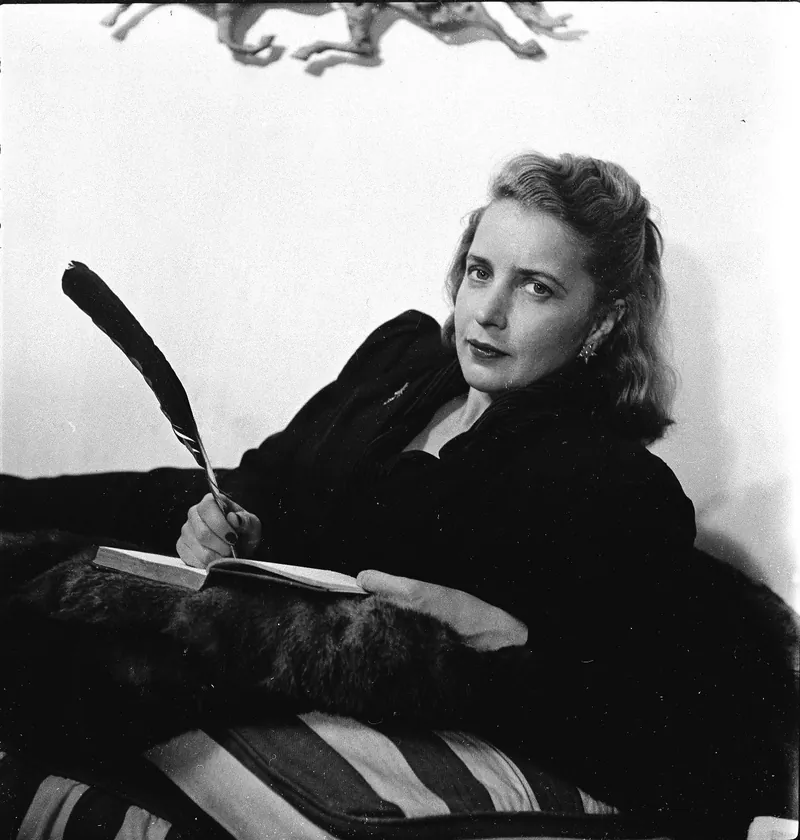
- Margaret Wise Brown was an American writer of children's books, including Goodnight Moon (1947) and The Runaway Bunny (1942), both illustrated by Clement Hurd.
- What are the main themes?
- On the surface, Goodnight Moon is structured around the simple domestic ritual of saying goodnight to familiar objects — clocks, socks, a little toy house, a red balloon — but scholar Joseph Stanton identifies a deeper recurring motif in Brown's work he calls "child-alone-in-the-wide-world," in which a child character finds resolution in solitude. The book's design reflects Lucy Sprague Mitchell's philosophy that children respond more meaningfully to stories rooted in the everyday world than to fantasy, making the ordinary objects of a child's room the entire emotional universe of the text. Beneath its minimal surface, Goodnight Moon is about the comfort of acknowledgment — the act of naming and releasing each familiar thing as a form of peaceful letting go.
Summarize this book
Follow up
Synthesized from verified book data & published reviews · How we review
Press Enter to ask. Answers come from our editorial Q&A — start typing to see related questions.
Age & Reading Level
Recommended age
Ages 5–8
who it suits
Best for: Ages 0–3 — very short repetitive text and simple domestic illustrations are best suited to babies and toddlers; the book has no narrative complexity designed for older children.
Skip if you're looking for a picture book with a narrative arc or plot-driven storytelling.
Our Review
What the Book Contains and How It Is Structured

The Intellectual Foundations Behind the Writing
The Illustrations and the Brown–Hurd Collaboration
A Rocky Start: The Book's Difficult Early Reception
Cultural Reach and Who This Book Is For
Sources & Further Reading
The key facts and claims in this review are grounded in the retrieved, verified sources listed below.
- Cited in this review
- 1
- 2
- Further reading
- 3
Margaret Wise Brown, Wikipedia
- 4
en.wikipedia.org
- 5
openlibrary.org
- 6
bookreviewswithlindsay.com
- 7
theinvisiblementor.com
- 8
audiobooksreview.com
- 9
lareviewofbooks.org
- 10
bagfullofbooks.com
- 11
Books like Goodnight Moon
Curated picks for readers who enjoyed Goodnight Moon, with our reasoning for each match.
If you liked Goodnight Moon