Our reviews
1,017 books, each with who it's for, who should skip it, reading level and content notes, and every source we used.
1,017 reviews
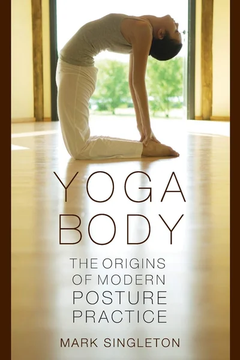
Mark Singleton
Best for: Scholars, historians, and serious yoga practitioners who want a rigorously documented, interdisciplinary account of how modern postural yoga actually emerged — and are prepared to have its claimed ancient lineage challenged head-on.
Maria Montessori
Best for: Educators training in or curious about the Montessori tradition, researchers in the history of pedagogy, and parents who want to engage with Montessori's own foundational arguments rather than secondhand summaries or derivative guides.
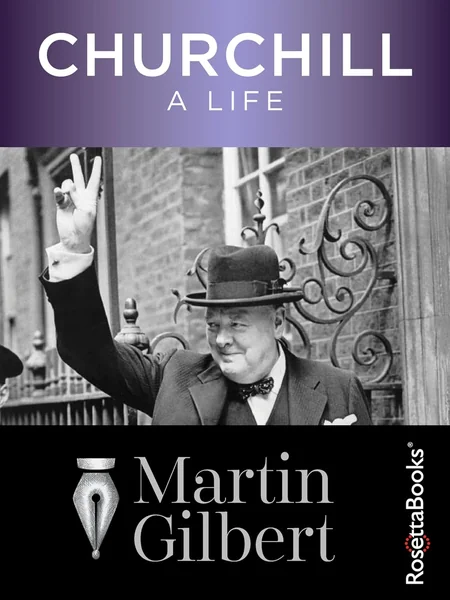
Martin Gilbert
Best for: Serious readers of history or biography who want the single most authoritative, fully documented account of Churchill's entire public life — from schoolboy and soldier to wartime leader and elder statesman — and are willing to invest the time a roughly 1,000-page scholarly synthesis demands.
Jason Fung
Best for: Readers who feel that conventional "eat less, move more" advice has failed them and are encountering the hormonal/insulin framework for obesity for the first time.
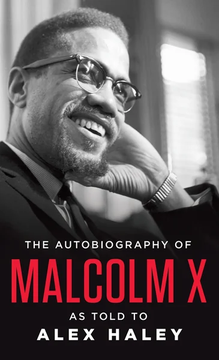
Malcolm X and Alex Haley
Best for: Readers — whether general or students of American history, civil rights, religion, or autobiography as a literary form — who want to encounter Malcolm X's philosophy, his break with the Nation of Islam, and the arc of his thinking in his own constructed voice rather than through a secondary account.
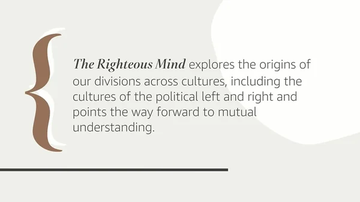
Jonathan Haidt
Best for: Readers genuinely curious about why political and religious opponents believe what they do — particularly those with an interest in social psychology, moral philosophy, or political science who want a rigorously argued, research-backed explanation rather than a polemic.
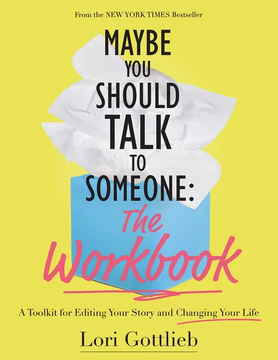
Lori Gottlieb
Best for: Readers who loved and heavily annotated the original Maybe You Should Talk to Someone memoir and want a structured, narrative-driven workbook to actively apply its therapeutic concepts — particularly those drawn to journaling-style self-reflection, book clubs, or therapists seeking a supplemental client resource.
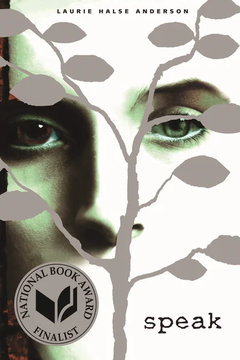
Laurie Halse Anderson
Best for: Young readers aged 12 and up — particularly those in grades 7–9 — navigating questions of consent, identity, and self-expression, as well as adults who want to understand why this novel has held such a singular place in YA literature for over two decades.
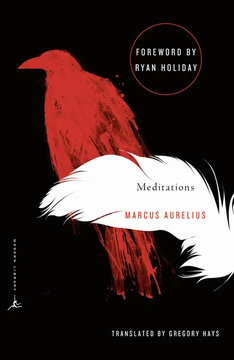
Marcus Aurelius
Best for: Readers drawn to practical Stoic philosophy who want an authentic, unguarded window into ancient self-examination — particularly those who prefer wisdom literature they can dip into repeatedly over a linear philosophical argument.
Barbara W. Tuchman
Best for: Readers curious about the origins of the First World War who want a single, authoritative volume that combines rigorous military and diplomatic history with vivid character portraiture of the statesmen and commanders who stumbled into catastrophe in August 1914.
Daniel J. Siegel and Tina Payne Bryson
Best for: Parents and caregivers — especially those without a secure attachment background themselves — who want a neuroscience-grounded, conceptually clear framework for understanding how consistent emotional presence shapes a child's developing brain.
Lou Schuler and Cassandra Forsythe and Alwyn Cosgrove
Best for: Women who are ready to commit to strength training as their primary modality and want a single, research-backed resource covering programming, conditioning, and nutrition — with a direct, no-nonsense voice rather than aspirational lifestyle framing.
Matt Haig
Best for: Readers navigating depression, burnout, or a sense of paths not taken who want an emotionally accessible speculative novel that literalises regret and the case for living — without demanding hard SF rigour or tonal darkness.
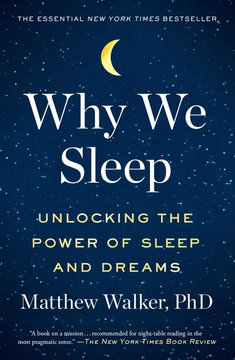
Matthew Walker
Best for: General readers with no background in sleep science who want a structured, accessible, and genuinely persuasive introduction to what sleep deprivation is doing to their body and mind.
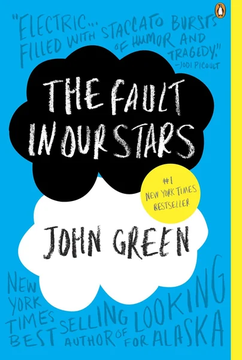
John Green
Best for: Readers aged 14 and up — and well beyond — who want a love story that takes mortality seriously, written with sharp wit and genuine literary intelligence rather than sentimental softening.
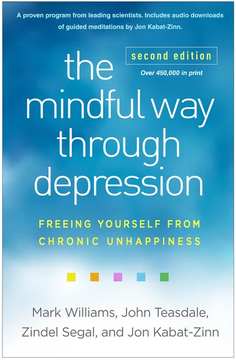
Mark Williams, John Teasdale, Zindel Segal, Jon Kabat-Zinn
Best for: People who have cycled through depression multiple times, have already received treatment, and are looking for a methodical, evidence-grounded self-help program to reduce the risk of relapse — particularly those open to integrating mindfulness practice into daily life.
Mark Williams and John Teasdale and Zindel Segal and Jon Kabat-Zinn
A scientifically grounded approach to breaking depressive cycles through mindfulness, offering practical tools for chronic unhappiness but requiring significant commitment and best suited for mild to moderate depression.
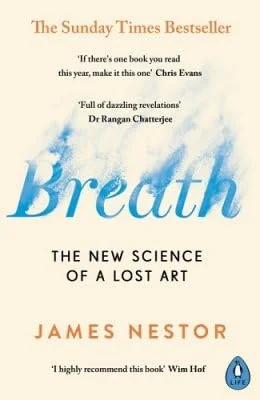
James Nestor
Best for: Curious general readers who want to understand how breathing affects their health and are open to a journey through ancient wisdom, modern pulmonology, and one journalist's self-experimentation — without needing clinical-grade evidence at every turn.
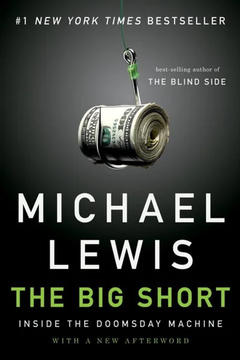
Michael Lewis
Best for: Curious general readers who want to understand how the 2008 financial crisis actually happened — told through the vivid, character-driven stories of the contrarian traders who saw it coming — without needing any prior background in finance.
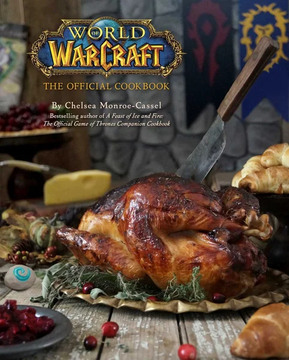
Chelsea Monroe-Cassel
Best for: WoW players who also cook — or want a reason to start — and who want to bring recognisable Azeroth dishes and brews into their own kitchen, with the book doubling as a lore-faithful collectible for dedicated franchise fans.
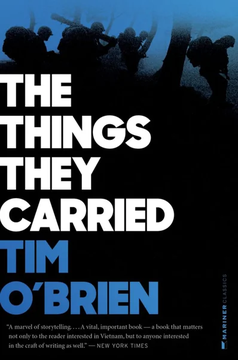
Tim O'Brien
Best for: Readers drawn to questions of how stories carry moral weight — particularly those curious about the Vietnam War's human realities, students of literary craft, or anyone willing to engage with a narrative that deliberately destabilises its own claims to factual truth.
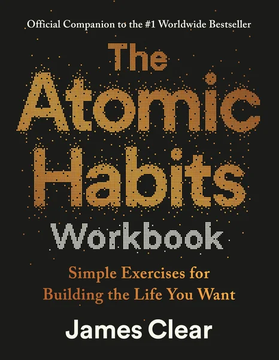
James Clear
Best for: Readers who have already absorbed Atomic Habits and want a structured, hands-on system — with templates, journaling prompts, and habit-tracking guides — to actively implement James Clear's Four Laws of Behavior Change in their daily life.
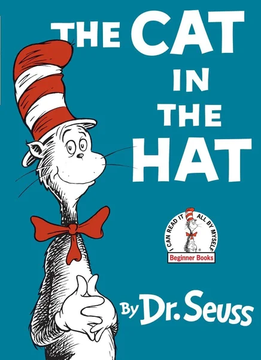
Dr. Seuss
Best for: Caregivers, early-years educators, and anyone curious about how a single 61-page picture book reshaped the architecture of children's literacy publishing — as well as parents seeking a proven, vocabulary-controlled first reader for children roughly aged two to six.
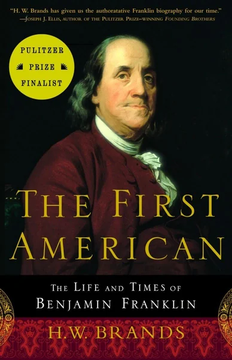
H. W. Brands
Best for: Serious readers of American history — students of the Revolutionary and Constitutional periods, or anyone seeking a single, comprehensive account of Franklin's full arc from Boston printer to elder statesman — who want depth, primary-source rigour, and narrative confidence in one volume.
