Our reviews
123 self-help & personal development books we've reviewed, each with who it's for, who should skip it and every source we used.
Every review is tagged with how the book feels to read.
123 reviews
Demian Goldstraj Esq
Readers navigating a personal crossroads who want fiction that doubles as a philosophical stress-test of their own assumptions, particularly those drawn to immigrant and cross-cultural perspectives on self-reinvention.
Jason Hayward
Readers who have worked through mainstream self-help programmes, found the results haven't stuck, and want a compact, philosophically oriented book that asks why — rather than one that prescribes what to do next.
Oliver Burkeman
Stressed, overcommitted readers who want a reflective, philosophically minded rethink of time and mortality rather than another scheduling system.
Alex Caldwell
General readers who are new to dark psychology and psychological influence and want a high-volume, structured, workbook-style toolkit they can work through in short daily sessions.
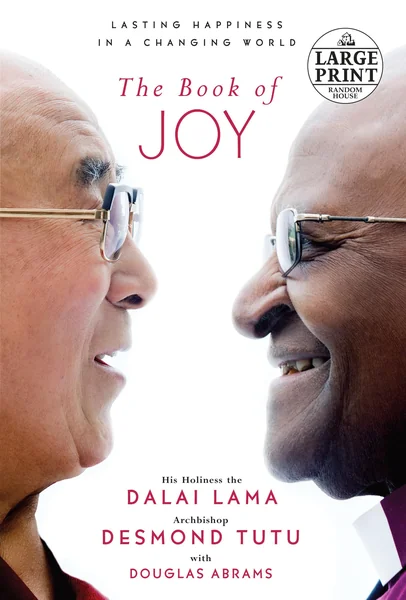
Dalai Lama, Desmond Tutu, Douglas Carlton Abrams
Readers seeking accessible, cross-tradition wisdom on finding joy amid suffering — particularly those drawn to the personal authority of two Nobel Peace Prize Laureates whose lives of exile and oppression lend the book's argument an uncommon moral weight.
Ichiro Kishimi, Fumitake Koga
Readers who finished The Courage to Be Disliked and want to go deeper into Adlerian psychology — particularly those drawn to philosophy-as-practice who respond to ideas tested through Socratic argument rather than prescriptive self-help frameworks.
don Miguel Ruiz
Readers who found The Four Agreements transformative and want to deepen their engagement with Toltec philosophy through a genuine conceptual development — not a retread — of the original framework.
Brianna Wiest
Readers who find themselves stuck in cycles of procrastination, lost purpose, or emotional stagnation and want a psychologically grounded framework — rather than generic pep talk — for understanding why they keep getting in their own way.
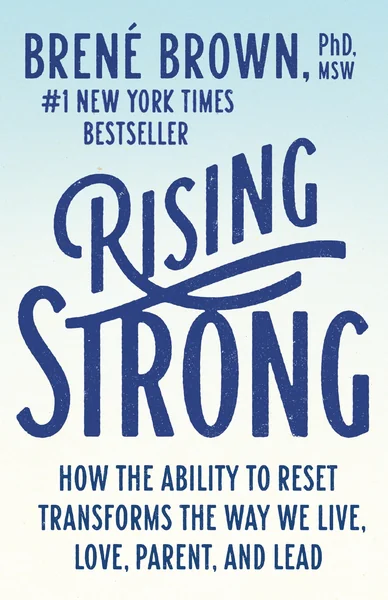
Brené Brown
Readers who have experienced failure, heartbreak, or major life transitions and want a structured, story-driven framework — reckoning, rumbling, revolution — for processing struggle and moving forward, especially those already familiar with Brown's earlier work on vulnerability and shame.
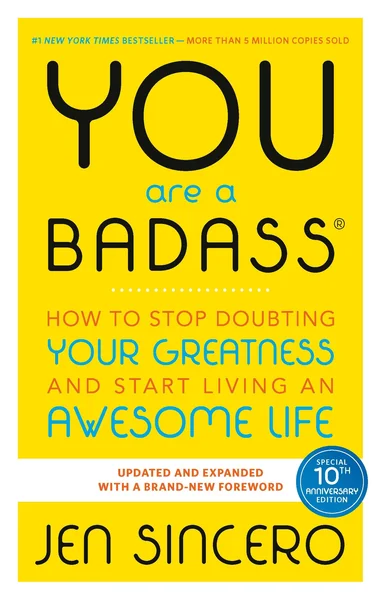
Jen Sincero
Readers who are new to personal development or have been put off by the genre's solemnity and want an accessible, humor-driven entry point into mindset work, self-love, and overcoming self-limiting beliefs.
Lysa TerKeurst
Women in the evangelical Christian tradition who have cycled through conventional diet advice and are looking for spiritual and motivational grounding — rather than another meal plan — to address their relationship with food.
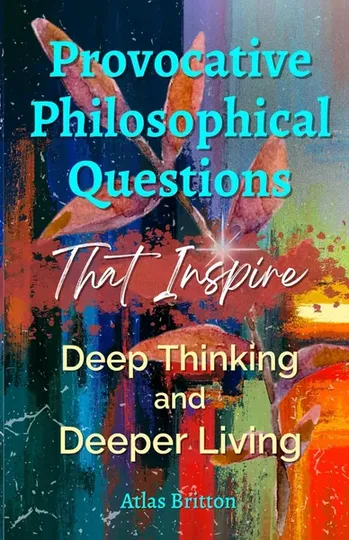
Atlas Britton
Curious, self-directed readers who want to engage with philosophy's biggest questions through plain-language thought experiments rather than academic theory — particularly those who find traditional introductory texts intimidating or dry.

Dr. Seuss
Anyone seeking a time-tested, emotionally honest gift for a graduate — from kindergarten through college — who wants something that will resonate across life stages rather than a single reading occasion.
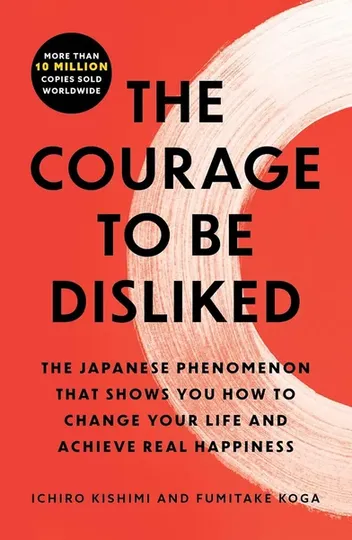
Ichiro Kishimi, Fumitake Koga
Readers who feel stuck in people-pleasing or approval-seeking patterns and are open to a philosophical, argument-driven introduction to Adlerian psychology rather than a clinical or workbook-style approach.
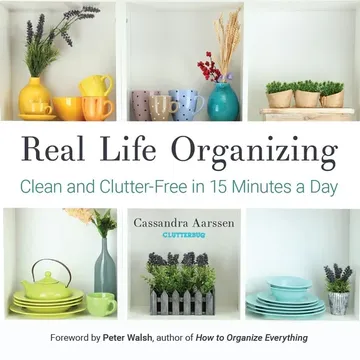
Cassandra Aarssen
Readers who feel chronically overwhelmed by clutter and want a low-pressure, personality-tailored entry point into home organization — particularly those new to intentional organizing or who have abandoned more demanding systems in the past.
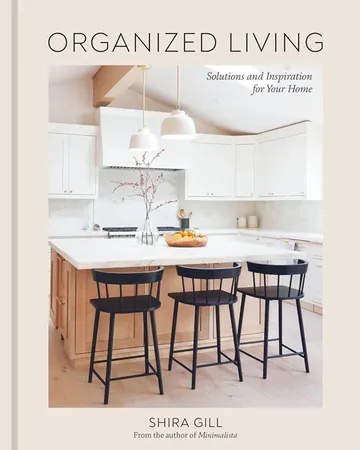
Shira Gill
Readers already drawn to the home organization space who are motivated by visual immersion and want exposure to a wide range of international organizing philosophies and aesthetics, rather than a single prescriptive system.
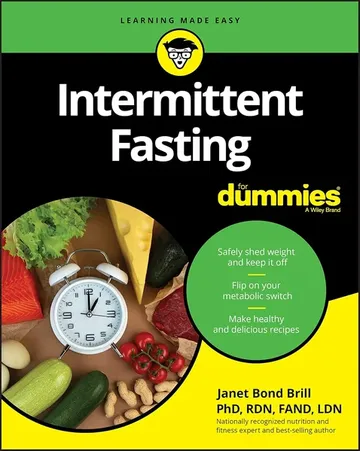
Janet Bond Brill
General adult readers who are new to intermittent fasting and want a single, credentialed, science-grounded reference that explains multiple fasting methods alongside practical diet and exercise guidance — without requiring any background in nutrition or medicine.
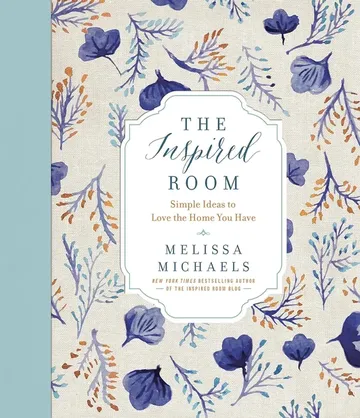
Melissa Michaels
Everyday home decorators who feel overwhelmed or under-resourced and want warm, relatable encouragement to personalise and invest in the home they already have — without a large budget or advanced DIY skills.
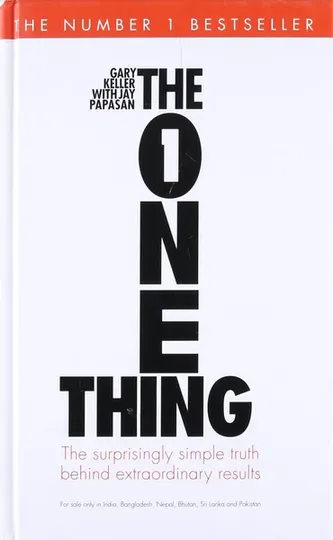
Gary KellerJay Papasan
The One Thing makes a compelling case for radical prioritization through its Focusing Question framework, but repetitive structure and entrepreneur-centric examples limit its reach.
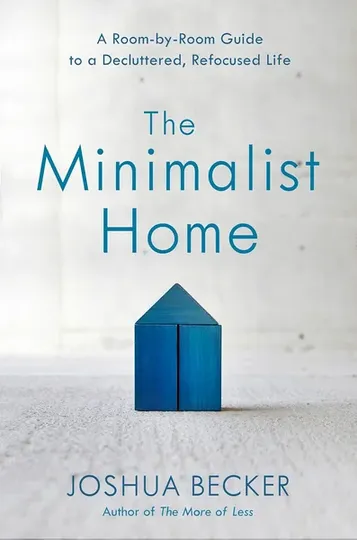
Joshua Becker
Readers — especially families — who want both a concrete, room-by-room action plan and a values-based motivational framework to sustain long-term decluttering, particularly those new to minimalism or those who have tried other methods and stalled.

Kevin Shawen, Marco Elisei
Writers at the very start of their self-publishing journey who want a single, concise guide that weaves mindset coaching around a step-by-step business framework, and who are comfortable building their own planning tools from the advice given.
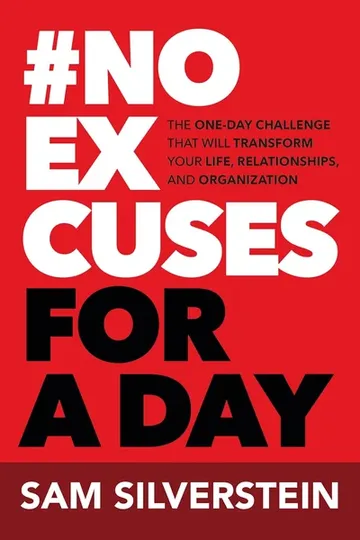
Sam Silverstein
Readers who already recognise self-limiting excuse patterns in their own leadership, relationships, or daily life and want a concrete, low-barrier system — rather than a theoretical framework — for breaking that cycle.

Tejas Hiremani
Spiritually curious general readers drawn to classical Indian philosophy — Vedanta, the Bhagavad Gita, the Upanishads — who want a single accessible framework for thinking about consciousness, technology, mortality, and civilizational direction.
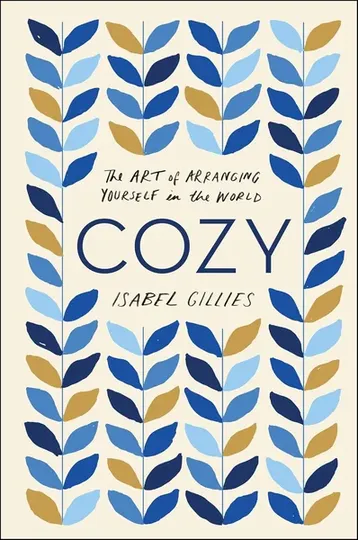
Isabel Gillies
Readers drawn to the slow-living or intentional-living space who want a warmly argued, memoir-inflected case for treating everyday comfort as a conscious act of self-respect — especially those who found the hygge conversation compelling but want something rooted in a more individual, less culturally specific voice.
