

9 min read
4.9
· 27,204 Amazon ratingsFeatured In
Share This Review
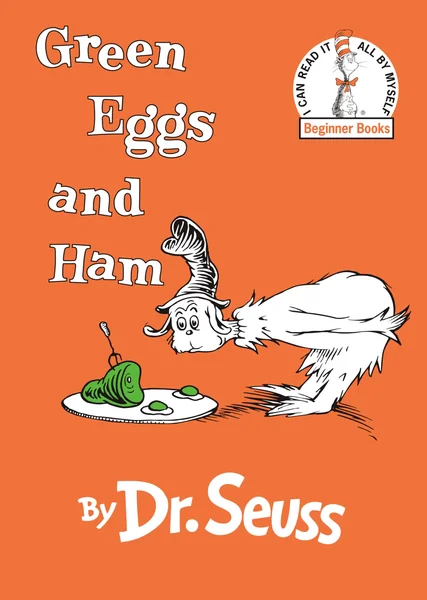
Green Eggs and Ham by Dr. Seuss Review: A Timeless Classic Built on a Bet
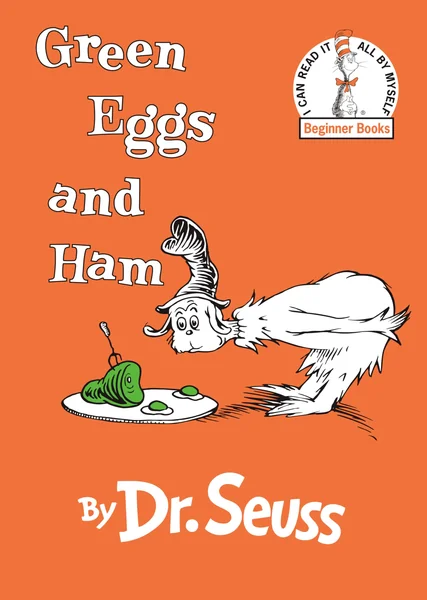
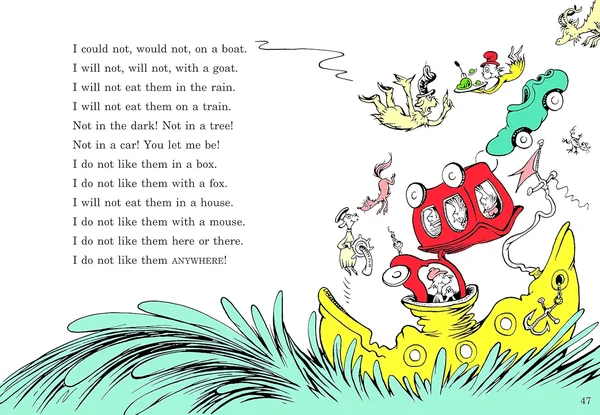
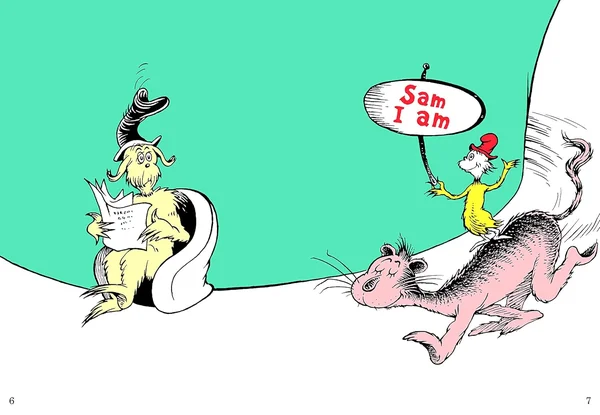
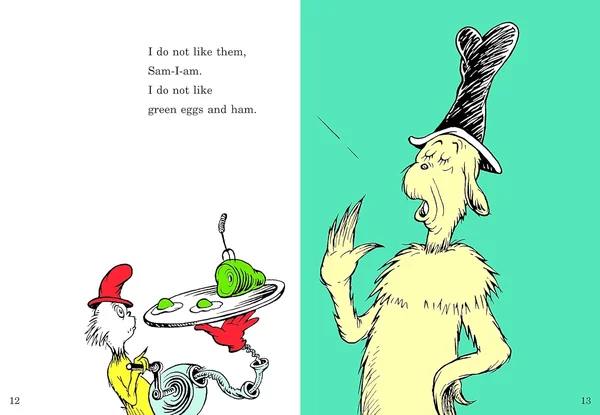
Green Eggs and Ham is a landmark children's picture book published by the Beginner Books imprint of Random House on August 12, 1960, born from a $50 wager between Dr. Seuss and his editor Bennett Cerf — a bet that Seuss could not write an engaging children's book using only 50 distinct words. The result was widely praised by critics and has endured for over six decades as a staple of early childhood reading, named by The Atlantic as one of its 65 Essential Children's Books and adapted into a Netflix television series in 2019.
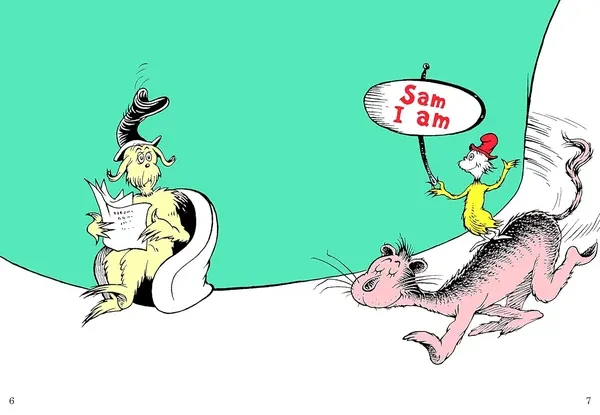
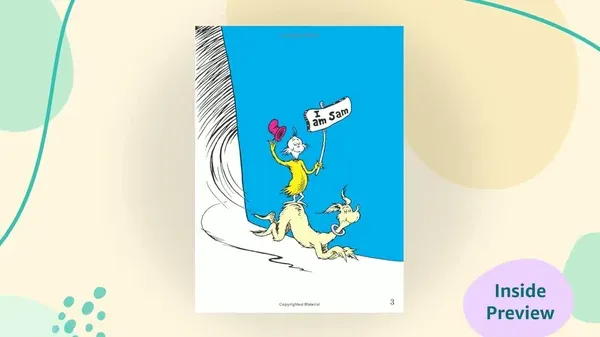
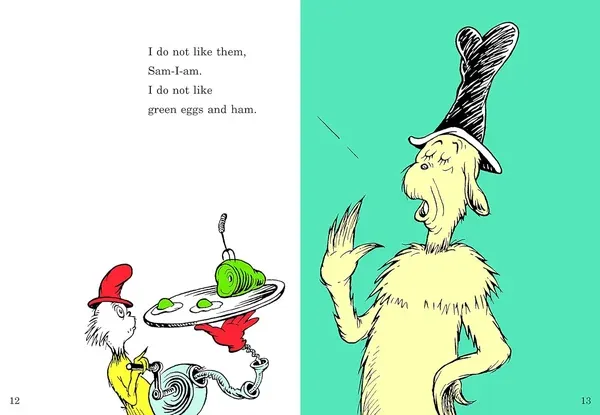 Tap to enlarge
LuvemBooks Verdict
Best for
Parents, caregivers, and early-years educators looking for a rhythmically irresistible, vocabulary-controlled read-aloud that builds early reading confidence in children ages 3–7 through joyful repetition and a gentle openness-to-new-things lesson.
Worth it if
The goal is a proven, six-decade early-literacy staple that uses cumulative rhyme, pattern recognition, and a strict 50-word vocabulary to get reluctant beginning readers reading ahead and laughing at the same time.
Skip if
Caregivers or educators seeking a read-aloud with narrative complexity, layered themes, or rich discussion prompts should look elsewhere in the Seuss catalog — by the author's own admission, the book carries no deeper meaning beyond the creative bet that produced it.
What readers & critics say
Kirkus Reviews praised the book at its 1960 debut, calling Seuss's use of repeat words and phrases "contagious" and the result "engagingly and absurdly" moral, predicting adults would be begging for mercy after the young had claimed it entirely. Wikipedia records that the book was widely praised by critics for both its writing and illustration, and that the challenge of writing an engaging children's book in only 50 words is broadly regarded as a success.
“Only Dr. Seuss could break down the resistance — a contagious use of repeat words and phrases, ending in complete capitulation.”
— Kirkus Reviews“Dr Seuss's masterpiece — among his many masterpieces. It transfixed me as a child and transfixes me now as I read it to my own children.”
— The GuardianPreview the book
Ask LuvemBooks
Was this helpful?
- Is it worth reading?
- For its intended audience — children ages 3–7 learning to read — Green Eggs and Ham is widely regarded as an essential title, with The Atlantic naming it one of its 65 Essential Children's Books and over six decades of sustained readership bearing that out. Its cumulative, rhyming repetition and strict 50-word vocabulary are explicitly designed to build early reading confidence, and Seuss himself reportedly said it was the only book of his that still made him laugh in later life. Caregivers or educators seeking a read-aloud that rewards extended thematic discussion will find it a thin choice by design — Seuss stated plainly that the book carries no deeper meaning beyond the $50 wager that produced it.
- Similar books
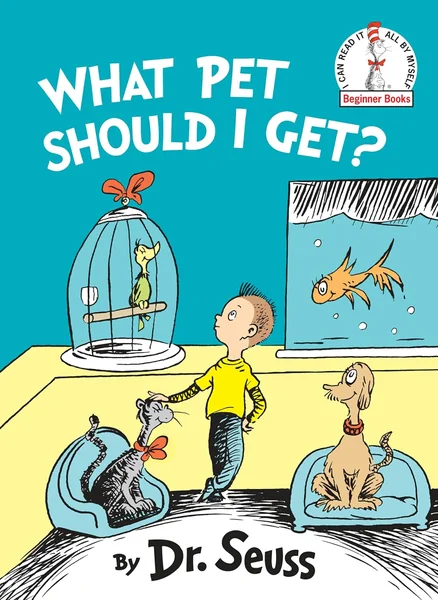
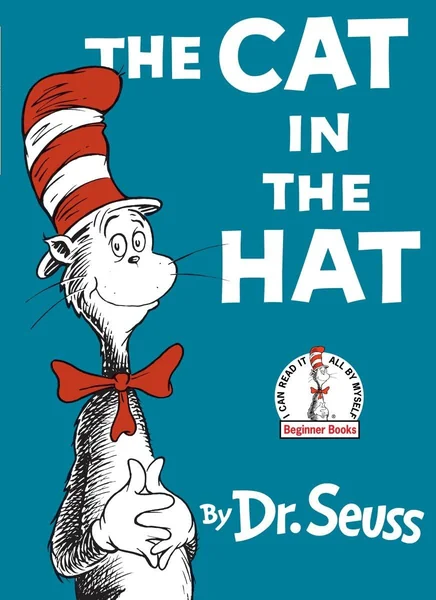
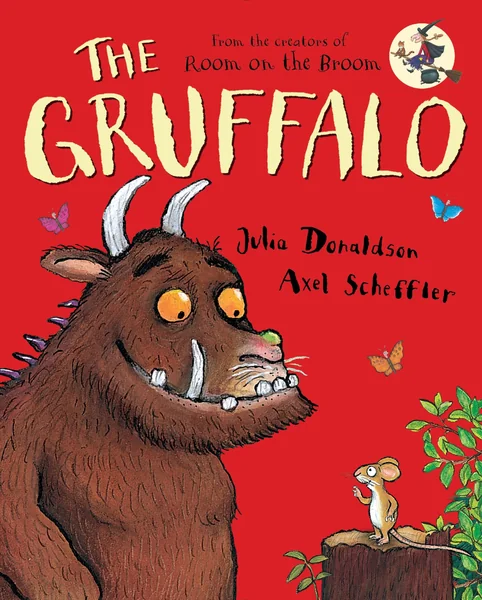
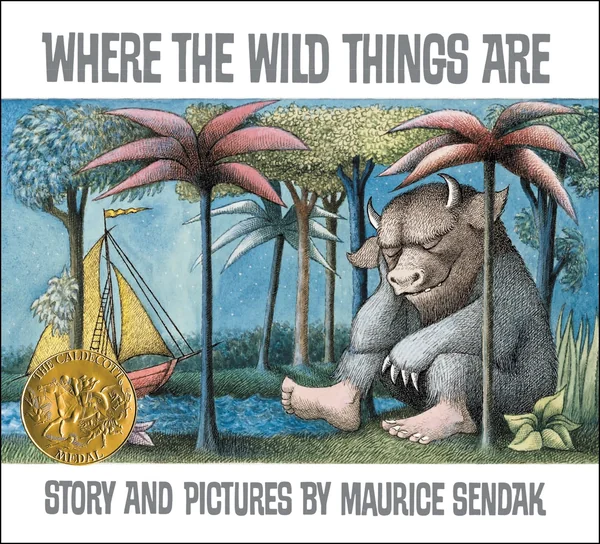
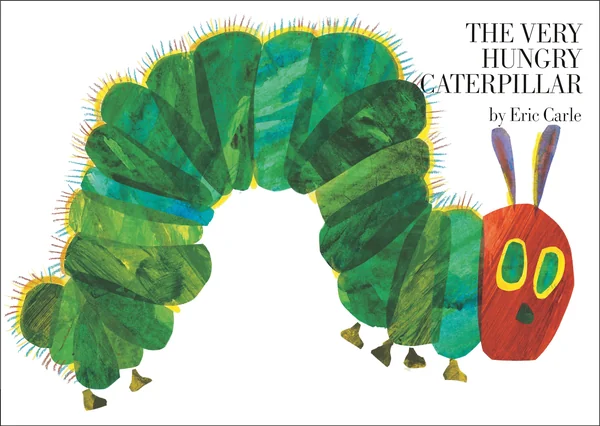
- Readers who love Green Eggs and Ham will find natural companions in the rest of the Seuss catalog and in classic early-childhood picture books. The Cat in the Hat by Dr. Seuss is the direct predecessor — written with 236 distinct words, it shares the same Beginner Books DNA and anarchic comic energy. What Pet Should I Get? by Dr. Seuss offers another look at a child weighing a difficult choice with Seuss's characteristic rhythm. Beyond Seuss, Where the Wild Things Are by Maurice Sendak and The Very Hungry Caterpillar by Eric Carle are perennial early-reader classics in the same cultural tier, while The Gruffalo by Julia Donaldson delivers the same cumulative, repetitive storytelling structure that makes Green Eggs and Ham so effective for beginning readers.
- Who should read this?
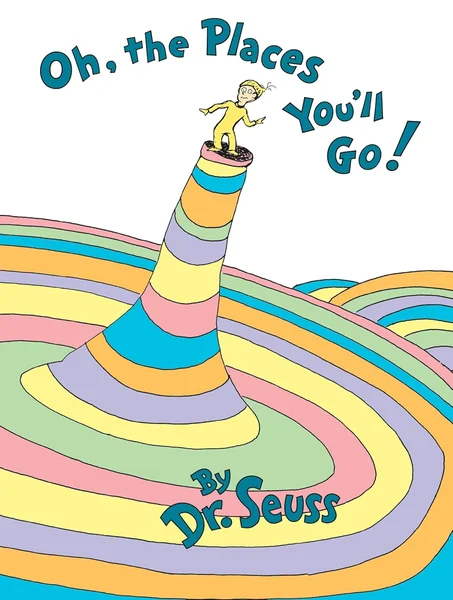
- Green Eggs and Ham is best suited to children ages 3–7, particularly those in the earliest stages of learning to read. Its strict 50-word vocabulary and rhythmic repetition are specifically designed to build phonics confidence and the pleasure of pattern recognition, making it an especially strong choice for caregivers and educators focused on early literacy. Readers — whether children or adults — who come to Dr. Seuss seeking the social commentary of The Lorax or the emotional depth of Oh, the Places You'll Go! should calibrate their expectations: by Seuss's own account, this book operates in a narrower register by design.
- What age is it for?
- Best for ages 3–7. The Beginner Books series is explicitly designed for this range, pairing simple words with illustrations that provide contextual clues to meaning. The 50-word vocabulary and heavy rhyming repetition are calibrated to support children at the very earliest stages of reading, allowing them to anticipate phrases and build confidence — making it an ideal fit for pre-readers and early readers alike.
- About Dr. Seuss
- Theodor Seuss Geisel was an American children's author, illustrator, animator, and cartoonist.
- Tell me about the adaptation
- A Green Eggs and Ham television series debuted on Netflix in 2019, expanding the book's elemental premise into a longer-form animated format. The adaptation is part of a broader cultural footprint that also includes the Green Eggs and Ham Cafe, which has operated at Universal's Islands of Adventure theme park since 1999 — cementing the book's relevance well beyond its original print audience. The Netflix series allowed the property to reach a new generation of children while the source book continues to endure as a standalone early-reader classic.
- How does it compare to other Seuss books?
- Among Dr. Seuss's catalog, Green Eggs and Ham occupies its own distinct niche as the most radically constrained of his Beginner Books — 50 words versus The Cat in the Hat's 236. It trades the richer social commentary of The Lorax and the emotional resonance of Oh, the Places You'll Go! for something narrower and more precisely engineered: a phonics confidence-builder with exceptional comic momentum. Seuss himself acknowledged the difference, stating the book carries no deeper meaning beyond the $50 bet that produced it — a candid contrast with the intentional weight of his more thematically ambitious titles.
Summarize this book
Follow up
Synthesized from verified book data & published reviews · How we review
Press Enter to ask. Answers come from our editorial Q&A — start typing to see related questions.
Age & Reading Level
Recommended age
Ages 3–7
who it suits
Best for: Ages 3–7 — vocabulary and text complexity are calibrated for pre-readers and early readers at the very beginning of literacy development.
Skip if you want a read-aloud that invites extended thematic discussion or layered interpretation.
Our Review
What the Book Is and What It Contains
The Origin: A $50 Bet and a 50-Word Vocabulary
Significance and Cultural Reach
Strengths: Design, Repetition, and Early-Reader Accessibility
Limitations and Honest Considerations
Sources & Further Reading
The key facts and claims in this review are grounded in the retrieved, verified sources listed below.
- Cited in this review
- 1
kirkusreviews.com
- 2
- 3
- 4
penguinrandomhouse.com
- Further reading
- 5
Dr. Seuss, Wikipedia
- 6
en.wikipedia.org
- 7
- 8
newbooksplayground.com
- 9
newbookrecommendation.com
Books like Green Eggs and Ham
Curated picks for readers who enjoyed Green Eggs and Ham, with our reasoning for each match.
More by Dr. Seuss
If you liked Green Eggs and Ham
Why It’s Trending
Green Eggs and Ham Back in the Conversation Thanks to Fresh Online Buzz
Green Eggs and Ham is making the rounds again, with readers and fans talking about the book's many adaptations — including its Netflix series and connections to films like I Am Sam. It's a good reminder of why this 1960 classic still shows up everywhere.