7 min read
4.6
· 4,210 Amazon ratingsShare This Review
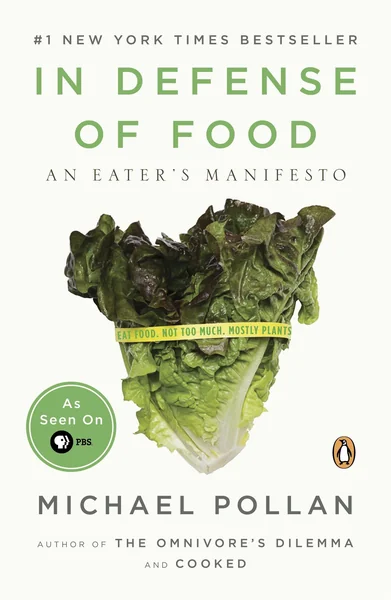
In Defense of Food: An Eater's Manifesto by Michael Pollan Review: A Blunt, Landmark Nutrition Manifesto
Michael Pollan's In Defense of Food distills a wide-ranging critique of modern nutritional science and the industrialized Western diet into seven words — "Eat food. Not too much. Mostly plants." — a formula that became one of the most repeated phrases in contemporary food writing. Originally published in 2008 and number one on the New York Times Non-Fiction Best Seller List for six weeks, the book argues that the ideology of "nutritionism" has done more harm than good to American eating habits, and calls readers back to whole, recognizable food their ancestors would know.
LuvemBooks Verdict
Best for
Readers who feel confused or overwhelmed by the ever-shifting landscape of dietary advice and want a clear, historically grounded framework for eating — without calorie-counting or nutritional jargon.
Worth it if
You're coming to the food-systems conversation for the first time, or want a concise, memorable synthesis of why the Western diet has gone wrong and what a sensible alternative looks like.
Skip if
You're already well-versed in food-systems writing by authors such as Marion Nestle or Barbara Kingsolver, or you need peer-reviewed dietary science rather than persuasive long-form journalism.
What readers & critics say
Publishers Weekly called it "another shocking yet essential treatise on the industrialized 'Western diet' and its detrimental effects on our bodies and culture," praising Pollan's ability to make "a strong argument for serious reconsideration of our eating habits." The New York Times, whose review page was retrieved directly, described it as "a simpler, blunter and more pragmatic book, one that really lives up to the 'manifesto' in its subtitle," noting its "McNuggets of plain-spoken advice" such as not eating things a great-grandmother wouldn't recognise.
“Another shocking yet essential treatise on the industrialized 'Western diet' and its detrimental effects on our bodies and culture.”
— Publishers Weekly“A simpler, blunter and more pragmatic book, one that really lives up to the 'manifesto' in its subtitle.”
— nytimes.comAsk LuvemBooks
Was this helpful?
- Is it worth reading?
- For readers new to food-systems writing, In Defense of Food remains an efficient and compelling entry point — Publishers Weekly called it 'another shocking yet essential treatise on the industrialized Western diet and its detrimental effects on our bodies and culture.' Its seven-word framework and plain-spoken advice ('don't eat things your great-grandmother wouldn't recognize') make a serious intellectual argument accessible without sacrificing rigor. Those already steeped in the work of Marion Nestle or Barbara Kingsolver may find the core argument covers familiar ground. And readers wanting peer-reviewed dietary science should note that at least one academic specialist publicly characterized Pollan's approach as 'a biased and disputed view of today's food and agricultural systems.'
- Similar books
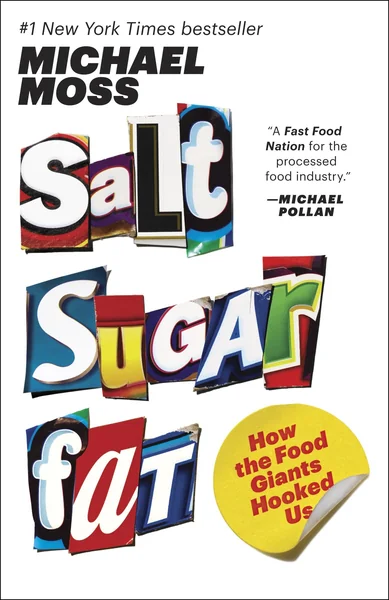
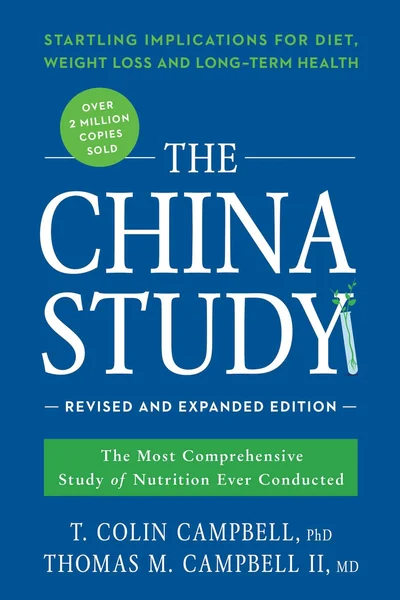
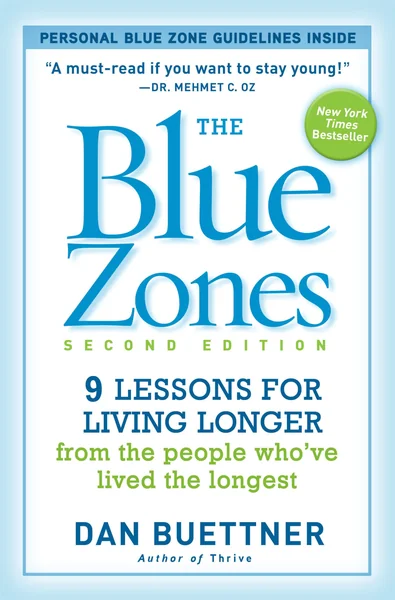
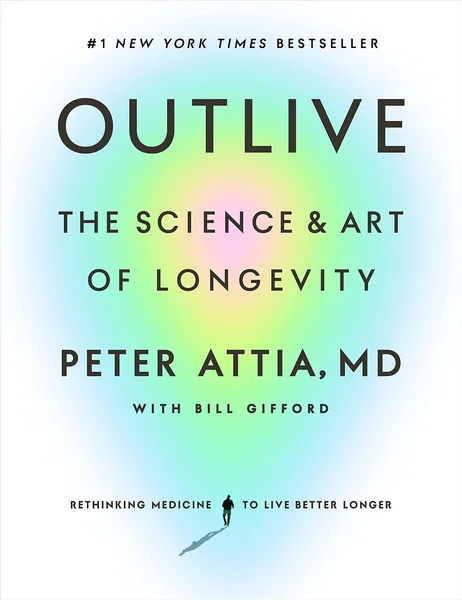
- Readers drawn to In Defense of Food will find strong companions across the related titles featured below. Michael Moss's Salt Sugar Fat: How the Food Giants Hooked Us digs into the food industry's deliberate engineering of processed foods, offering investigative depth that complements Pollan's broader critique. The China Study by T. Colin Campbell and Thomas M. Campbell provides the heavily research-grounded treatment of diet and long-term health that Pollan's manifesto-style argument deliberately sidesteps. For those interested in lifestyle and longevity rather than industry critique, Dan Buettner's The Blue Zones examines the dietary and cultural habits of the world's longest-lived populations. Peter Attia's Outlive and Casey Means and Calley Means's Good Energy both take a more science-forward approach to metabolic health and longevity, making them useful counterpoints for readers who want peer-reviewed rigor alongside Pollan's accessible framework.
- Who should read this?
- In Defense of Food is designed for general readers who have felt confused or overwhelmed by the shifting landscape of dietary advice and want a coherent framework — not a calorie-counting regimen. It is particularly well-suited to those who are new to food-systems writing and looking for an efficient, intellectually serious introduction to why the modern Western diet has gone wrong. Readers already steeped in the work of Marion Nestle or Barbara Kingsolver may find familiar ground, and those seeking peer-reviewed nutritional science will need to look elsewhere, as Pollan's methodology is persuasive-journalistic rather than academic.
- Tell me about the adaptation
- In 2015, In Defense of Food was adapted into a television documentary for PBS, extending the book's cultural reach well beyond the page. The adaptation reflects the depth of the book's impact — it is one of the markers, alongside its six-week run at number one on the New York Times Non-Fiction Best Seller List, that cemented Pollan's framework as a mainstream touchstone in the conversation about diet and food culture. Readers who find the book's argument compelling will likely find the documentary a natural companion.
- About Michael Pollan
- Michael Kevin Pollan is an American journalist, specializing in food, who is a professor and the first Lewis K.
- Is the advice realistic for everyone?
- This is one of the book's most substantive tensions. Pollan recommends that Americans spend more money and time on food and prioritize buying locally — advice that carries an implicit socioeconomic assumption that not all households can accommodate. Pollan himself acknowledges this, conceding the risk of elitism, but critics note the book only partially addresses the gap. It is worth keeping in mind that the framework, however elegant, was written from a position of financial flexibility that is far from universal.
Summarize this book
Follow up
Synthesized from verified book data & published reviews · How we review
Press Enter to ask. Answers come from our editorial Q&A — start typing to see related questions.
Age & Reading Level
Recommended age
Adult
Reading level
Adult
who it suits
Skip if you want peer-reviewed nutritional science or a heavily footnoted academic treatment of diet and food systems.
Our Review
What the Book Actually Argues
Origins and Cultural Significance
Strengths: Clarity, Historical Specificity, and Plain-Spoken Advice
Limitations and Points of Contention
Who It Is For and How It Reads Today
Sources & Further Reading
The key facts and claims in this review are grounded in the retrieved, verified sources listed below.
- Cited in this review
- 1
en.wikipedia.org
- 2
michaelpollan.com
- 3
publishersweekly.com
- Further reading
- 4
Michael Pollan, Wikipedia
- 5
- 6
- 7
- 8
- 9
penguinrandomhouse.com
- 10
Books like In Defense of Food
Curated picks for readers who enjoyed In Defense of Food, with our reasoning for each match.
If you liked In Defense of Food