8 min read
4.9
· 79,349 Amazon ratingsShare This Review
The Very Hungry Caterpillar by Eric Carle Review: A Timeless Picture Book Classic
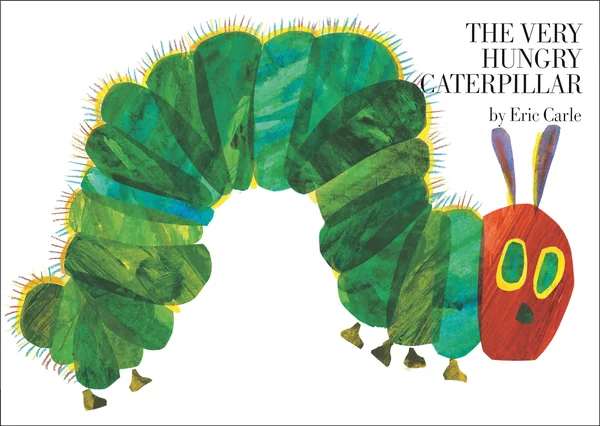
Eric Carle's children's picture book The Very Hungry Caterpillar has sold more than 50 million copies and been translated into more than 60 languages, earning its place as one of the most enduring works in the picture book canon — a deceptively simple story of metamorphosis that doubles as an early-education tool covering counting, days of the week, and the concept of natural change.
LuvemBooks Verdict
Best for
Parents, caregivers, and gift-givers looking for a first picture book for babies and toddlers who are just beginning to learn counting, days of the week, and sequencing through an irresistibly simple, tactile story.
Worth it if
Worth it if you want a single book that simultaneously functions as a bedtime story, an early-counting lesson, and a gentle introduction to life cycles — all in a format designed to be physically engaging for very young hands.
Skip if
Skip it if you're looking for longer narrative arcs, complex character development, or content that will hold the interest of children who have already moved past early counting and sequencing.
What readers & critics say
Wikipedia records that the book has sold more than 50 million copies, been translated into more than 60 languages, won numerous awards, and been acclaimed as "one of the greatest childhood classics of all time." The Guardian collected reader tributes after Eric Carle's death in 2021, with caregivers and educators describing the book as a fixture of family life read repeatedly across generations.
“We still read it weekly — while it's worse for wear now, he will be greatly missed but his work will live on through us.”
— The Guardian“The children were entranced — a retired London librarian recalls the book's hold on young readers over decades.”
— The GuardianAsk LuvemBooks
Was this helpful?
- Is it worth reading?
- For its intended audience — pre-readers, early toddlers, and caregivers looking for a first book — The Very Hungry Caterpillar is a well-documented benchmark of the picture book form. The New York Times Book Review called it 'gorgeously illustrated, brilliantly innovative,' and The Atlantic named it one of its 65 Essential Children's Books, while Wikipedia records it as 'one of the greatest childhood classics of all time.' The die-cut hole design and the seamless weaving of counting and sequencing into the narrative set it apart from picture books that treat early-education content as a separate lesson. The key caveat is scope: older children will outgrow its counting scaffolding quickly, and caregivers seeking longer narrative arcs or complex character development will not find them here.
- Similar books
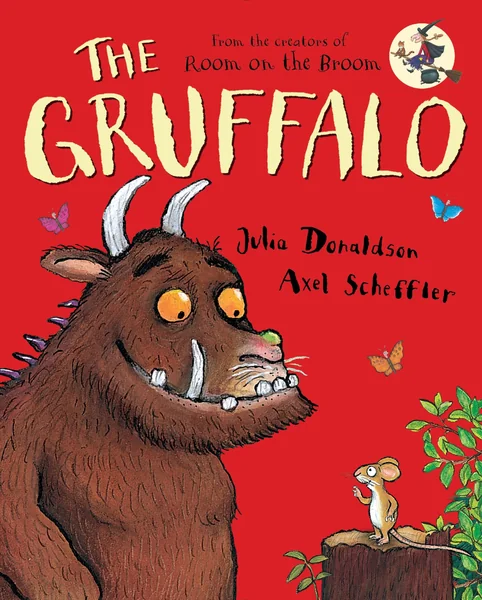
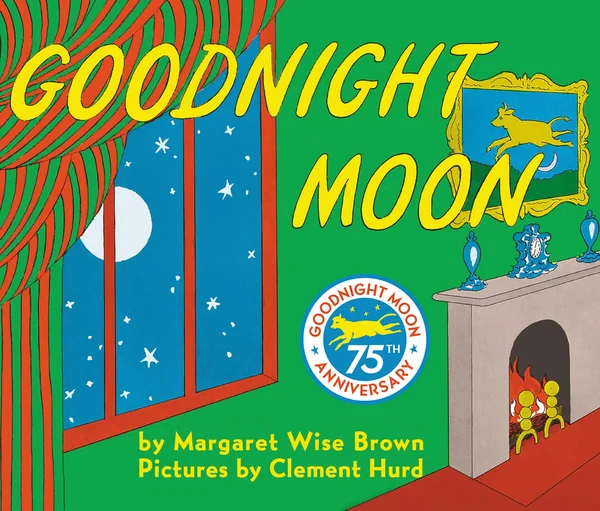
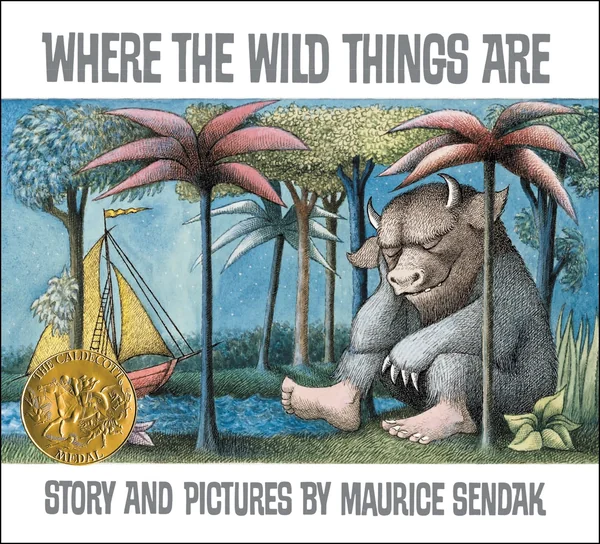
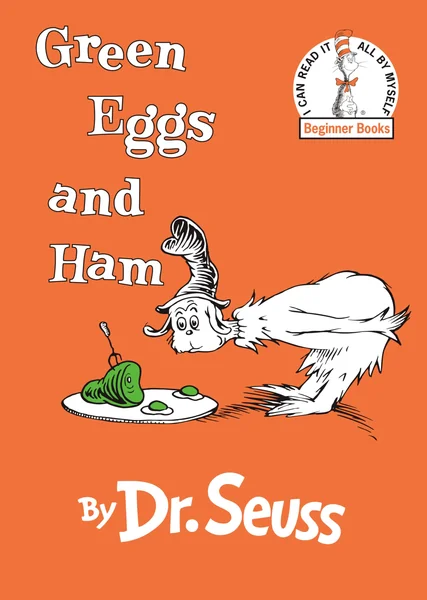
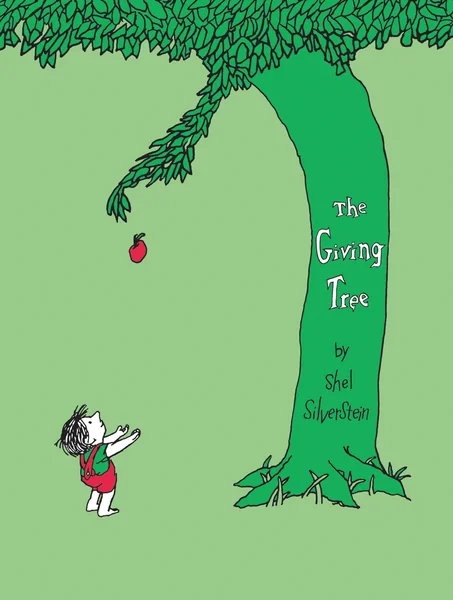
- Readers drawn to The Very Hungry Caterpillar will find strong companions in the curated selection below. The Gruffalo by Julia Donaldson shares the same rhythmic, read-aloud quality and vivid illustration style. Goodnight Moon by Margaret Wise Brown is another foundational board-book classic pitched at the same very-young audience. Where the Wild Things Are by Maurice Sendak offers a slightly more adventurous narrative while staying within the picture book form, and Green Eggs and Ham by Dr. Seuss layers wordplay onto a similarly simple premise of trying new things. The Giving Tree by Shel Silverstein rounds out the list for caregivers who want a title with a more emotionally resonant through-line.
- Who should read this?
- The Very Hungry Caterpillar is designed for the youngest readers — pre-readers and early readers who are learning to count and sequence. The publisher positions it explicitly as an ideal gift for new babies, baby showers, and milestone beginnings. Caregivers and early-childhood educators who want a single book that covers counting, days of the week, and the concept of natural transformation in a format young children can physically interact with will find it well suited to that purpose. Those seeking longer narrative arcs, complex character development, or world-building should look elsewhere.
- What age is it for?
- Best for ages 0–5, with the sweet spot around toddler age (roughly 1–3). The publisher positions the book as an ideal gift for new babies and baby showers, and its educational content — counting, days of the week, sequencing — targets pre-readers at the earliest stages of literacy development. The die-cut pages and bold collage artwork make it engaging for very young children who are not yet reading independently. Older children will quickly outgrow the counting scaffolding, so the effective window is relatively narrow.
- About Eric Carle
- Eric Carle was an American author, designer, and illustrator of children's books.
- Tell me about the adaptation
- The Very Hungry Caterpillar was first adapted for UK television by the Illuminated Film Company in 1993, with subsequent home-video releases and later DVD distribution. The television adaptation brought the book's collage visual style and narrative arc to a moving-image format, extending its reach beyond the page. No theatrical feature-film adaptation is noted in the review's coverage.
- What are the main themes?
- The central theme is metamorphosis — the caterpillar's arc of appetite, excess, recovery, and transformation into a butterfly carries more weight than the story's brevity suggests. Eric Carle himself linked the metamorphosis to a personal idea of emerging from one's 'cocoon' to open up to the world, giving the transformation an emotional dimension beyond biology. The book also implicitly addresses natural change and cycles, making those concepts concrete and non-threatening for very young children through a simple, sequential narrative.
Summarize this book
Follow up
Synthesized from verified book data & published reviews · How we review
Press Enter to ask. Answers come from our editorial Q&A — start typing to see related questions.
Age & Reading Level
Recommended age
Ages 5–8
who it suits
Best for: Ages 0–5 — reading level and sequencing content are aimed at pre-readers and the very earliest stage of early-childhood literacy development.
Skip if you're looking for a picture book with a longer narrative arc or complex character development.
Our Review
What the Book Actually Is
Origins and Creative Significance
Educational Architecture
Reception and Cultural Reach
Who It Is For — and Where It Has Limits
Sources & Further Reading
The key facts and claims in this review are grounded in the retrieved, verified sources listed below.
- Cited in this review
- 1
penguinrandomhouse.com
- 2
- 3
- 4
en.wikipedia.org
- Further reading
- 5
Eric Carle, Wikipedia
- 6
en.wikipedia.org
- 7
eric-carle.com
- 8
unitedstatesofreaders.scholastic.com
- 9
- 10
bagfullofbooks.com
- 11
- 12
Books like The Very Hungry Caterpillar
Curated picks for readers who enjoyed The Very Hungry Caterpillar, with our reasoning for each match.
If you liked The Very Hungry Caterpillar