
8 min read
4.7
· 23,416 Amazon ratingsShare This Review
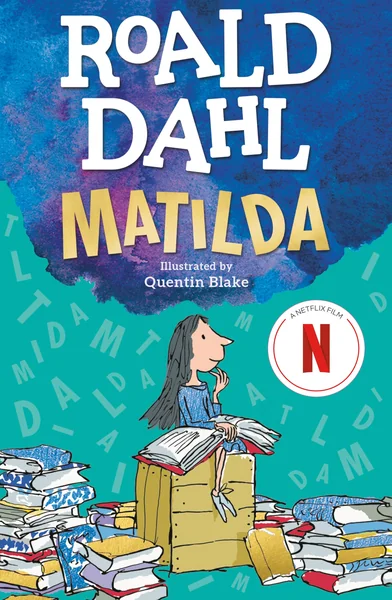
Matilda by Roald Dahl Review: A Timeless Classic of Childhood Triumph
Roald Dahl's Matilda is a children's novel that has endured for decades as one of the most celebrated works in its genre, following a brilliant, telekinetic girl navigating neglectful parents and a tyrannical headmistress — and winning. Originally published in 1988 by Jonathan Cape and illustrated by Quentin Blake, it has since inspired a feature film, a Tony Award-winning Broadway musical, and a Netflix adaptation, cementing its status as a cornerstone of children's literature.
LuvemBooks Verdict
Best for
Middle-grade readers (grades 3–7) who love books and stories, and adults selecting a perennial classroom or library essential that champions childhood intelligence and self-determination.
Worth it if
You want a children's novel with genuine emotional stakes — one where a child's wit and integrity, not adult rescue, drive the resolution, and where the cultural pedigree (BBC Big Read, Time magazine, a Tony-winning musical) reflects decades of earned affection.
Skip if
You prefer psychologically nuanced, realistic adult characters — Dahl's broad caricatures of parental failure and school tyranny are a deliberate stylistic choice, not a flaw to be corrected, and readers who find that register unsatisfying will not be converted here.
What readers & critics say
Kirkus Reviews praised Dahl's return to "whimsically grotesque fantasy that makes grown-ups wince and children beg for more," highlighting Matilda's telekinetic showdown as the payoff of a richly inventive premise. Audible's editorial summary echoes the broad critical consensus, describing the novel as "widely recognized as one of Dahl's finest works," acclaimed by critics and embraced by fans alike.
“Whimsically grotesque fantasy that makes grown-ups wince and children beg for more.”
— Kirkus Reviews“It is really amazing that a 4 year old girl knows everything a grown up can know — I give it 10/10.”
— theguardian.comAge & Reading Level
Recommended age
Ages 8–12
Reading level
Middle grade
2 content notes · who it suits
Content to know about
Best for: Ages 7+ — longer narrative and vocabulary suit confident younger readers; exaggerated depictions of parental neglect and school tyranny are best navigated with some emotional maturity.
Skip if you prefer psychologically nuanced, realistic adult characters rather than broad comedic caricature.
Matilda by Roald Dahl is Trending
Matilda Named Ambassador for National Year of Reading in August 2026
Matilda has been tapped as an ambassador title for the National Year of Reading, giving the beloved classic a fresh moment in the spotlight. It's a timely reminder of why this book has stuck around for nearly 40 years — and why it keeps finding new readers.
If Matilda feels like it's everywhere right now, there's a good reason: the book was named an ambassador title for the National Year of Reading in August 2026. That kind of official recognition puts it front and center in schools, libraries, and reading programs, which means a whole new wave of kids (and adults revisiting it) are picking it up right now.
It also doesn't hurt that Matilda has built up serious pop culture momentum over the past few years. The Netflix musical film from 2022 introduced the story to a generation of kids who may not have grown up with the book, and a viral TikTok dance number from that film kept people talking well into 2026. The story of a brilliant girl who outsmarts every adult who underestimates her clearly still hits a nerve.
Whether you're reading it for the first time or handing it to a kid in your life, this is a great moment to revisit it. The National Year of Reading nod is essentially a stamp of approval that the book still matters — and honestly, if you've seen the musical, the original novel is very much worth your time.
In This Review
- What Works & What Doesn't
- What the Book Is and What Happens
- Standing in the Genre
- What the Novel Does Well
- Genuine Limitations to Consider
- Who This Book Is For
What Works & What Doesn't
What Works
- Matilda Wormwood is a richly drawn, fiercely intelligent protagonist whose journey from neglect to agency gives the story genuine emotional stakes
- The novel's cultural recognition is exceptional — ranked by the BBC's The Big Read, School Library Journal, and Time magazine among the greatest children's books ever written
- Dahl structures the story so that a child's wit and will, not adult intervention, drive the resolution — a design that resonates powerfully with its intended audience
- Illustrated throughout by Quentin Blake, the book's original and iconic visual collaborator
- The publisher notes it has been adapted into a Tony Award-winning Broadway musical and a Netflix film, reflecting decades of sustained cultural relevance
What Doesn't
- The adult characters — particularly the Wormwoods and Miss Trunchbull — are drawn as broad caricatures rather than psychologically complex figures, which may not suit all tastes
- The book's exaggerated portrayals of parental neglect and school tyranny, though played for effect, are worth considering when selecting for younger or more sensitive readers
What the Book Is and What Happens
Standing in the Genre
What the Novel Does Well
Genuine Limitations to Consider
Who This Book Is For
Frequently Asked Questions
Sources & Further Reading
The key facts and claims in this review are grounded in the retrieved, verified sources listed below.
- Cited in this review
- 1
bookanalysis.com
- 2
- 3
georgelthomas.com
- 4
en.wikipedia.org
- Further reading
- 5
Roald Dahl, Wikipedia
- 6
en.wikipedia.org
- 7
- 8
shop.scholastic.com
- 9
scatteredbooks.com
- 10
- 11
storyroom.co.uk
- 12
penguinrandomhouse.com
Related Reviews
Reviews of books we picked for readers who enjoyed Matilda.
Reader Comments
No comments yet
Be the first to share your thoughts!