
9 min read
4.9
· 37,627 Amazon ratingsFeatured In
Share This Review
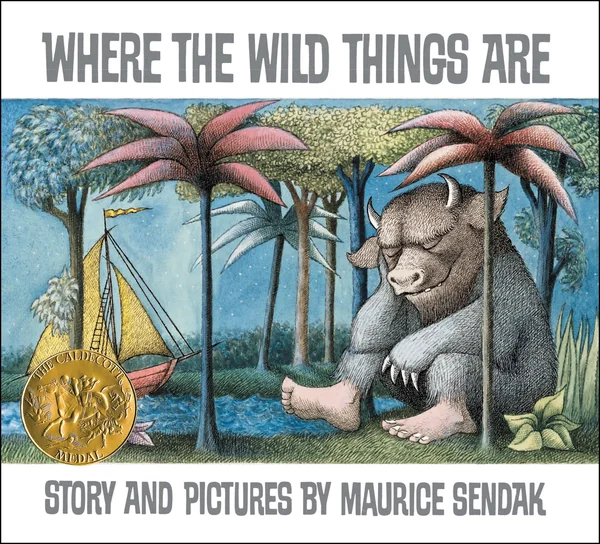
Where the Wild Things Are by Maurice Sendak Review: A Timeless Caldecott-Winning Picture Book Classic
Originally published in 1963 and recognized with the Caldecott Medal the following year, Maurice Sendak's Where the Wild Things Are remains one of the most celebrated children's picture books ever produced, voted the number one picture book in a 2012 School Library Journal reader survey and sold over 19 million copies worldwide as of 2009.
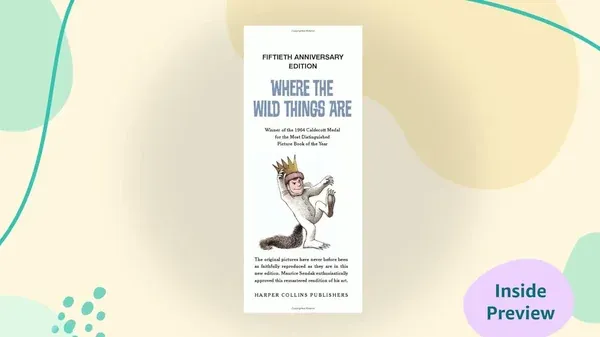 Tap to enlarge
LuvemBooks Verdict
Best for
Parents, caregivers, and early-years educators looking for a foundational picture book that honestly addresses childhood anger and the power of imagination, to share with preschool through early-elementary readers.
Worth it if
You want a masterclass in picture-book craft — where image and spare text work as one — and value a story that gives young children a safe emotional arc from wild fury to the comfort of home.
Skip if
You are seeking a longer, text-heavy read-aloud experience, or are a caregiver who prefers books that avoid direct depictions of childhood defiance and anger.
What readers & critics say
BBC Culture ranked Where the Wild Things Are the number one greatest children's book ever, with bbc.com noting it has "beguiled almost everyone who has encountered it, young and old, from world leaders to film directors" after initially sending shockwaves around the literary establishment. Britannica documents the work as "groundbreaking for its honest treatment of children's emotions, especially anger," a quality that set it apart from mid-century picture-book conventions and earned it the 1964 Caldecott Medal.
“After initially sending shockwaves around the literary establishment, over the decades the book has beguiled almost everyone who has encountered it, young and old.”
— BBC Culture“Some authorities on children's literature advised parents against exposing their children to it because illustrations of big, horned, fanged, clawed creatures could terrify children.”
— NPRAsk LuvemBooks
Was this helpful?
- Is it worth reading?
- Where the Wild Things Are is widely regarded as one of the most essential picture books ever produced — voted the number one picture book in a 2012 School Library Journal reader survey and the winner of the 1964 Caldecott Medal, which recognized it as the most distinguished American picture book for children of that year. Wikipedia's reception summary notes critics have called it the book that ushered in the modern age of picture books, and its sustained influence across more than six decades of publishing supports that judgment. The one caveat worth naming: readers seeking a longer, text-driven read-aloud will find it brief by design.
- What age is it for?
- Best for ages 3 and up — Where the Wild Things Are is designed for preschool through early-elementary readers. The text is minimal and the illustrations carry much of the story, making it well-suited to young children who are still developing reading stamina. Some caregivers have historically weighed its frank depiction of childhood anger before sharing it, so families with particularly sensitive preschoolers may want to preview it first.
- Who should read this?
- Where the Wild Things Are is essential for preschool through early-elementary children and the adults — parents, caregivers, teachers, and librarians — who share books with them. It is particularly well-suited to children who experience strong emotions like anger or frustration, as the book's central arc validates those feelings while showing Max find his way back to safety and home. Adults with an interest in the history and craft of the picture book form will also find it a rewarding, if brief, study in how image and text can work as a unified storytelling design.
- Similar books
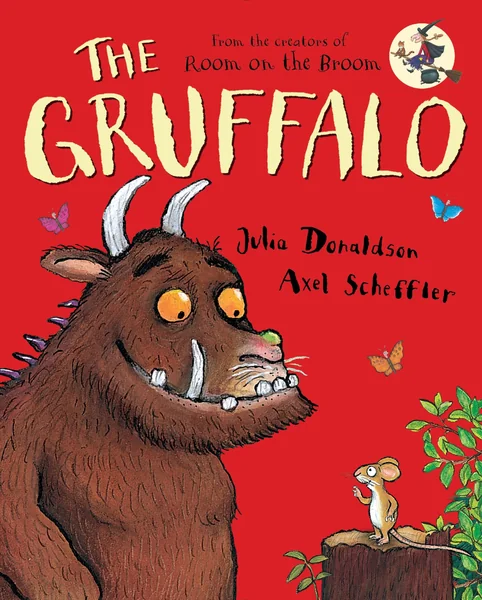
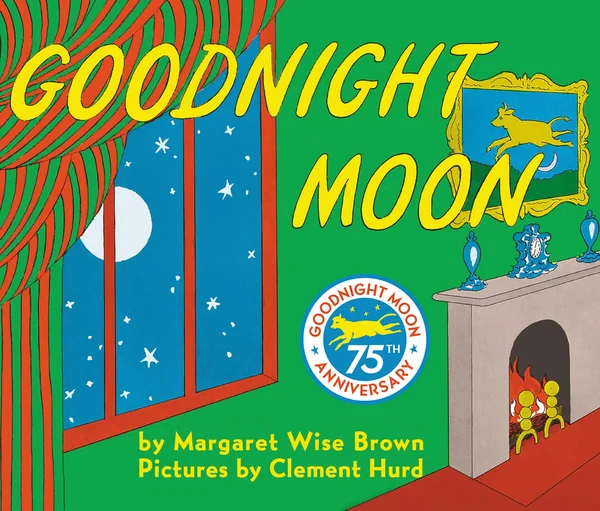
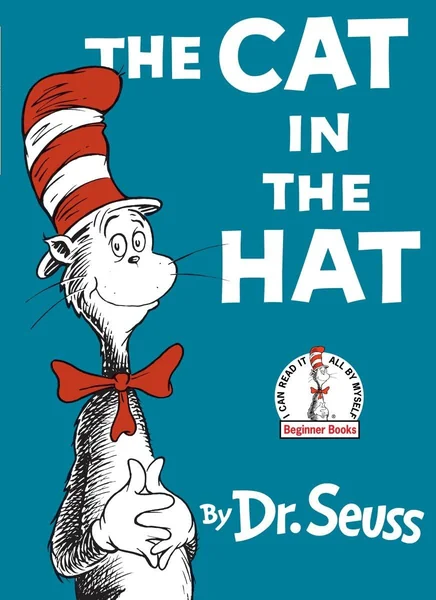
- Readers who love Where the Wild Things Are will find natural companions in several other beloved picture book classics. Goodnight Moon by Margaret Wise Brown shares the same soothing bedtime-and-home emotional register. The Very Hungry Caterpillar by Eric Carle offers a similarly simple, illustration-led journey that delights the same preschool-through-early-elementary audience. The Gruffalo by Julia Donaldson echoes the theme of a small protagonist who outsmarts large, monstrous creatures through sheer nerve — a close thematic parallel to Max staring down the Wild Things. The Cat in the Hat by Dr. Seuss matches the anarchic energy of Max's mayhem and the restoration of order by story's end. For readers drawn to the wilder, more nature-inflected imaginative spaces, The Secret Garden by Frances Hodgson Burnett offers a richer and longer exploration of a child discovering a transformative world beyond adult supervision.
- About Maurice Sendak
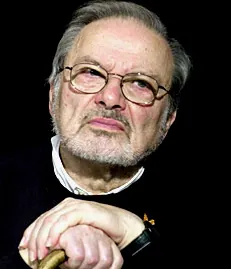
- Maurice Bernard Sendak was an American author and illustrator of children's books.
- Tell me about the adaptations
- Where the Wild Things Are has been adapted across multiple formats over five decades. An animated short film was produced in 1973, with an updated version following in 1988. In the 1980s, British composer Oliver Knussen collaborated on a children's opera adaptation. Most recently, a live-action feature film was released in 2009. That breadth of adaptation across film, opera, and animation is, as the review notes, a measure of cultural penetration unusual even among beloved children's classics.
- What makes it a landmark of picture-book craft?
- Sendak uses the book's physical form itself as a storytelling device: Max's imagined world expands visually across the page as his fantasy deepens, with the illustrations growing to fill the full spread at the height of the wild rumpus before contracting again as Max returns to reality. Critics, as Wikipedia's reception summary documents, have cited this structural integration of image and narrative as a key strength and a defining example of picture-book craft at its most deliberate. Wikipedia's reception summary also records the judgment of at least one critic that Where the Wild Things Are ushered in the modern age of picture books — a claim the book's sustained influence across more than six decades does nothing to contradict.
Summarize this book
Follow up
Synthesized from verified book data & published reviews · How we review
Press Enter to ask. Answers come from our editorial Q&A — start typing to see related questions.
Age & Reading Level
Recommended age
Ages 5–8
1 content note · who it suits
Content to know about
Best for: Ages 3+ — minimal text and illustration-led storytelling suit preschool and early-elementary readers; the book is designed for shared reading with an adult.
Skip if you're looking for a longer, text-driven read-aloud experience — the story is deliberately spare and the climax is carried almost entirely by illustration.
Our Review
What the Book Is and What Happens
Significance and Place in the Genre
Craft and Storytelling Design
Reception and Cultural Reach
Who This Book Is For and Its Genuine Limitations
Sources & Further Reading
The key facts and claims in this review are grounded in the retrieved, verified sources listed below.
- Cited in this review
- 1
- 2
- Further reading
- 3
Maurice Sendak, Wikipedia
- 4
en.wikipedia.org
- 5
- 6
- 7
- 8
fantasybookreview.co.uk
- 9
brookevitale.com
- 10
- 11
Books like Where the Wild Things Are
Curated picks for readers who enjoyed Where the Wild Things Are, with our reasoning for each match.
If you liked Where the Wild Things Are
Why It’s Trending
Experts Name Where the Wild Things Are the One Book Every Child and Parent Should Read
A round of expert recommendations published this week has put Maurice Sendak's classic back in the spotlight. Multiple outlets are circulating advice from a children's book expert who calls it the essential read for kids and parents alike.