Our reviews
78 business & economics books we've reviewed, each with who it's for, who should skip it and every source we used.
78 reviews
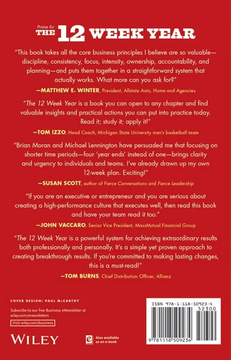
Brian P. Moran, Michael Lennington
Best for: Professionals and organizational leaders who feel trapped in annual planning cycles and want a conceptually clear, practitioner-grounded framework for compressing their execution rhythm and rebuilding urgency around goals.
Michelle Simms-Reiter
Best for: Business owners, founders, and people-leaders — new or experienced — who already believe their retention and morale problems are cultural rather than financial and want a compact, named, step-by-step framework for acting on that belief.
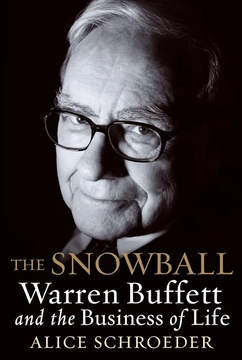
Alice Schroeder
Best for: Investors, students of business history, and Buffett followers who want the complete, access-driven portrait — built on 2,000+ hours in his personal files and his sole full cooperation with a biographer — rather than a highlight reel or a how-to manual.
Ryan Deiss
Best for: Founders and small-to-midsize business owners who feel trapped by operational dependency — people who launched a company for wealth and freedom but now find themselves the single point of failure for every decision.
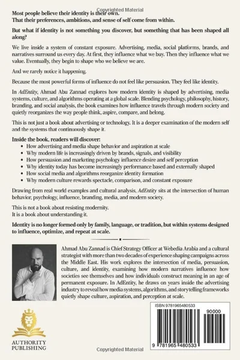
Ahmad Abu Zannad
Best for: Marketers, brand strategists, cultural critics, and general readers who want to understand how advertising and algorithmic systems have come to shape not just consumer behavior but identity itself — particularly those comfortable with argument-driven, interdisciplinary nonfiction.
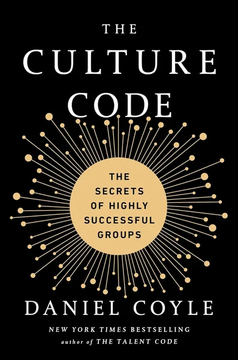
Daniel Coyle
Best for: Managers, coaches, educators, and team leads in any sector who want a research-informed but narrative-driven playbook for diagnosing and actively building stronger group culture.
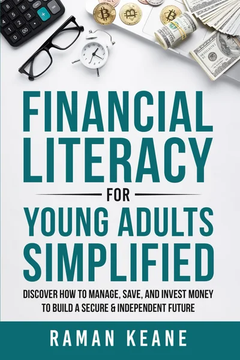
Raman Keane
Best for: Young adults — first-job earners, students, or recent graduates — who have no prior personal finance background and want a single, accessible starting point covering budgeting, saving, investing, cryptocurrency basics, and income diversification.

Kate Fletcher, Lynda Grose
Fashion & Sustainability: Design for Change, by Kate Fletcher and Lynda Grose with a foreword by Paul Hawken, is a landmark non-fiction design reference published by Laurence King Publishing that maps the full scope of fashion's environmental and social crises — and argues, in structured, evidence-based terms, that sustainability holds the power to transform not only the fashion system but the designers and innovators who operate within it.
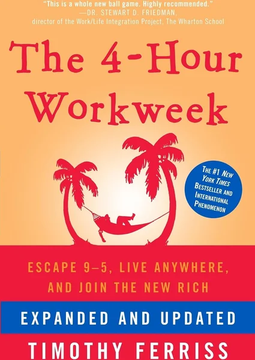
Timothy Ferriss
The 4-Hour Workweek is a self-help book by Timothy Ferriss that challenges the conventional "deferred life plan" — work hard now, enjoy life later — and proposes a radical alternative centered on what Ferriss calls "lifestyle design." Originally published in 2007 and expanded in a later edition, the book lays out a concrete framework for escaping the traditional 9-to-5, automating income, and distributing leisure throughout one's working life rather than saving it all for retirement. This review covers the book's content, structure, and published reception; it does not reflect hands-on application of its methods.
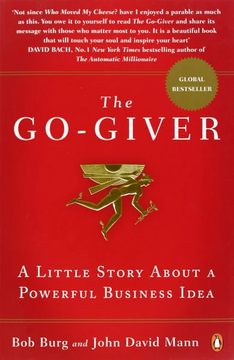
Bob Burg
Best for: Sales professionals, entrepreneurs, and early-career professionals who want a quick, values-driven reframe of how they approach networking, client relationships, and professional success — and who respond better to story than to data.
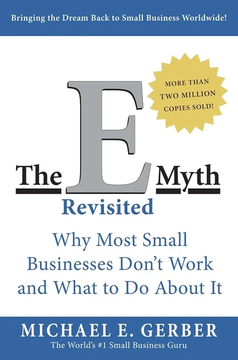
Michael E. Gerber
Best for: Small business owners in the early or middle stages of building their enterprise who want a clear conceptual framework — the E-Myth, the three personas, the franchise prototype — for understanding why owner-dependent businesses stall and how to systematise their way out of it.
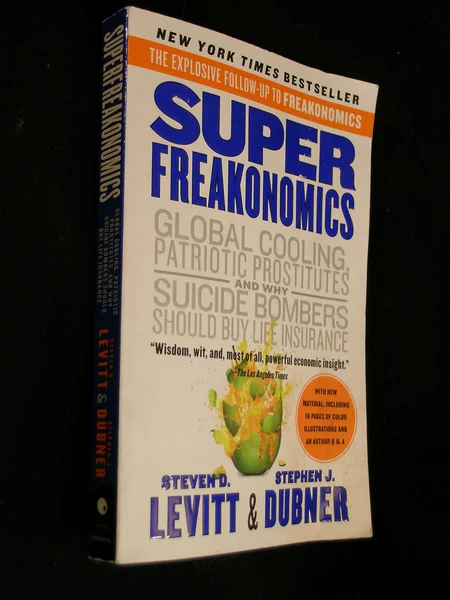
Steven D. Levitt, Stephen J. Dubner
Best for: General-interest readers curious about how economic logic and incentive-based thinking illuminate everyday human behaviour, who want an accessible, anecdote-driven introduction to popular microeconomics and don't mind that some chapters are more rigorous than others.
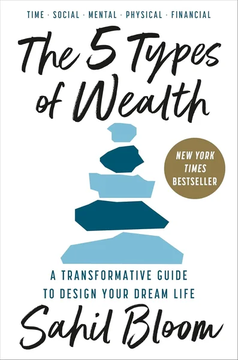
Sahil Bloom
Best for: Readers in their twenties or thirties who have been chasing conventional financial success and are starting to question whether it's actually delivering the life they want — particularly those who respond to narrative-driven, systems-style self-help over academic theory.
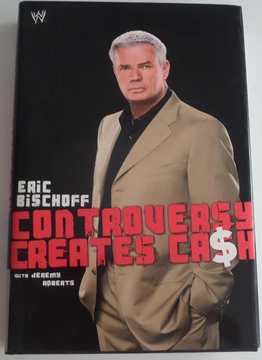
Eric Bischoff, Jeremy Roberts
Best for: Fans of professional wrestling's business history who want an executive-level account of the Monday Night War — particularly the talent strategy, television deal-making, and boardroom manoeuvring behind WCW's mid-1990s surge — told by the man most responsible for forcing WWE into genuine competition.
. 50Minutes.Com
Best for: Time-pressed readers — students, marketers, or curious generalists — who want a structured, balanced overview of Gladwell's Tipping Point framework without committing to the full original book.
Sunil Kuruvilla
Best for: First-time retail investors in India who want a compact, platform-agnostic introduction to the mechanics of buying and selling stocks online before opening their first brokerage account.
David Gladstone
Best for: Angel investors and early-stage VC professionals who want a structured, practitioner-built methodology for evaluating business proposals, assessing management teams, and making investment decisions — rather than a theoretical or founder-facing introduction to venture capital.
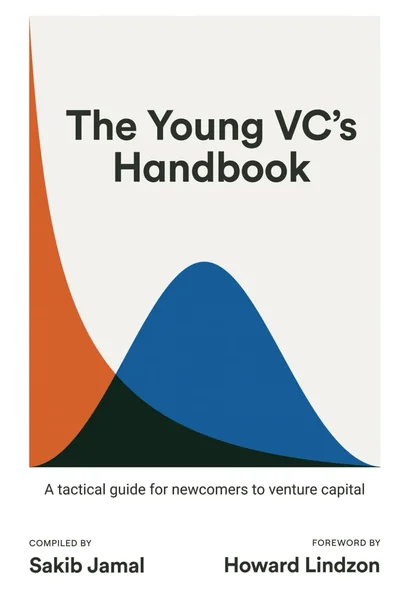
Sakib Jamal
Best for: Early-career venture capital professionals — analysts, associates, and aspiring investors — who need a structured, practitioner-built introduction to how the industry actually operates day to day, rather than a conceptual or founder-facing survey of the asset class.
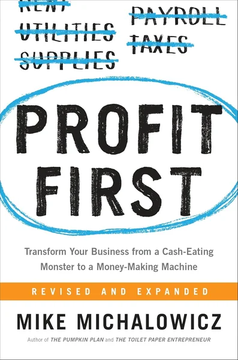
Mike Michalowicz
Best for: Small-business owners and entrepreneurs who are generating revenue but consistently ending up cash-poor — and want a behaviorally grounded, step-by-step system to build profitability from day one.
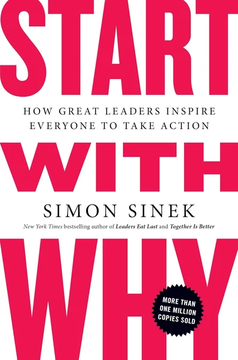
Simon Sinek
Best for: Managers, executives, and sales or marketing professionals who are new to purpose-driven leadership ideas and want a single, memorable conceptual framework — the Golden Circle — to introduce across a team or use to reorient how they present their work to clients.
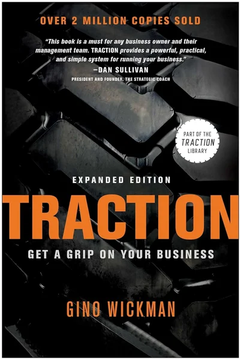
Gino Wickman
Best for: Founders and leadership teams of small to mid-sized entrepreneurial companies who want a single, integrated operational framework — not abstract theory — to align vision, people, and execution across their organisation.
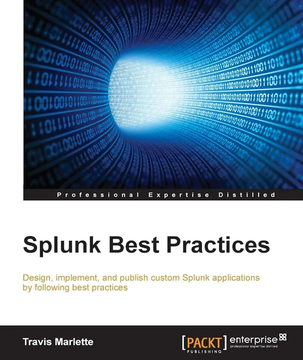
Travis Marlette
Best for: Working Splunk practitioners — admins, infosec engineers, or data engineers already fluent in the platform — who want to sharpen their approach to app development, data ingestion, and enterprise integration rather than learn Splunk from scratch.
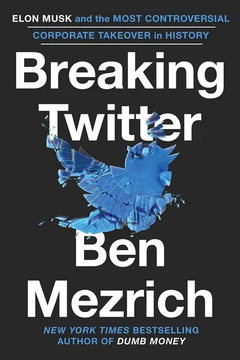
Ben Mezrich
Best for: Readers already familiar with Mezrich's novelistic approach to tech-world nonfiction — think The Social Network or Dumb Money — who want a fast-moving, cinematic account of the Twitter acquisition and are comfortable trading documentary rigour for propulsive storytelling.

Alexandra Deschamps-Sonsino
Best for: Product designers, R&D professionals, trends researchers, and IoT entrepreneurs who want a historically and culturally grounded framework for developing connected-home products — rather than another technical implementation guide.
