Our reviews
1,017 books, each with who it's for, who should skip it, reading level and content notes, and every source we used.
1,017 reviews
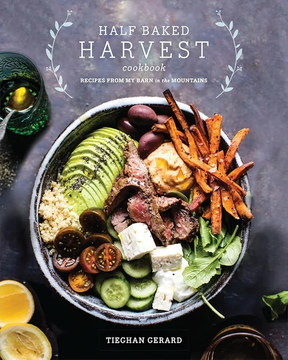
Tieghan Gerard
Best for: Home cooks who want everyday meals and entertaining dishes that feel a creative step above the ordinary — especially those who enjoy roaming across global comfort-food influences rather than staying within a single cuisine.
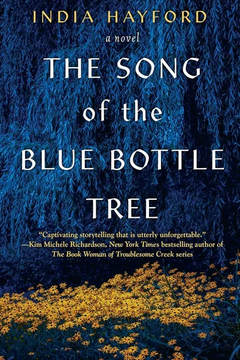
India Hayford
Best for: Readers who love literary Southern Gothic — particularly fans of Delia Owens or Barbara Kingsolver — and want a debut rooted in genuine place-knowledge, folk magic, and a protagonist whose entire life has been lived outside conventional belonging.
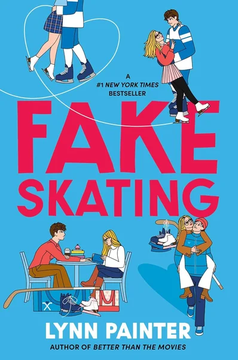
Lynn Painter
Best for: Readers aged 14 and up who love the childhood-sweethearts and fake-dating tropes in combination, want a fast, warm YA romantic comedy with genuine sports-community atmosphere, and don't mind a slow-burn misunderstanding driving the central tension.
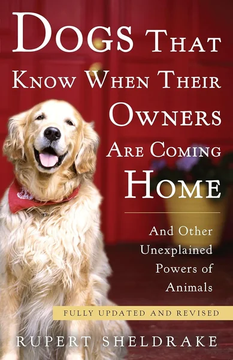
Rupert Sheldrake
Best for: Pet owners and readers at the intersection of animal cognition, consciousness studies, and fringe biology who have witnessed inexplicable animal behavior and want a credentialed scientist to take those experiences seriously and situate them within a genuine theoretical framework.
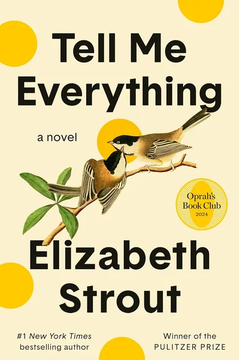
Elizabeth Strout
Best for: Readers already invested in Elizabeth Strout's Amgash/Crosby, Maine universe — particularly fans of Olive Kitteridge, Lucy Barton, or Bob Burgess — who will find the long-awaited convergence of these characters a genuine and emotionally weighty literary event.
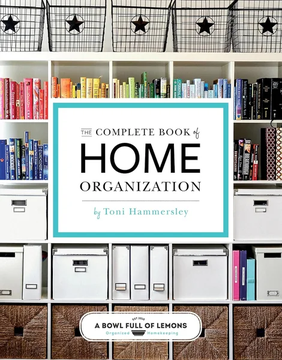
Toni Hammersley
Best for: Households looking for a single, exhaustive room-by-room organizing reference — especially those who want step-by-step, category-level instructions and an optional 15-week structured challenge rather than a high-level philosophical approach.
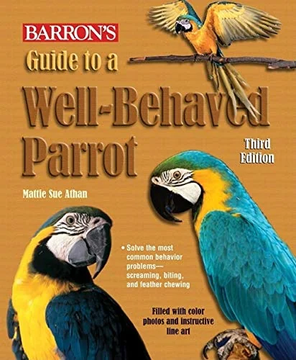
MattieSue Athan
Best for: Companion parrot owners at any experience level who want to understand why their bird behaves the way it does and need targeted, psychology-grounded strategies for tackling screaming, biting, or feather-chewing.
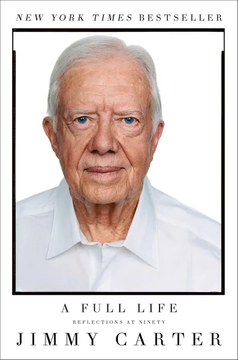
Jimmy Carter
Best for: Readers new to Jimmy Carter's extensive bibliography who want a single, accessible volume spanning his full life — from rural Georgia poverty to the presidency, Nobel Prize, and decades of humanitarian work through The Carter Center.
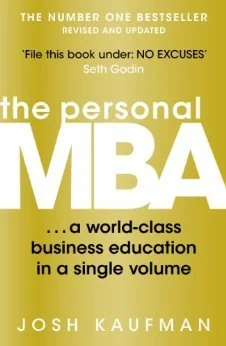
Josh Kaufman
Best for: Aspiring entrepreneurs, career-changers, and curious generalists — including Hindi-language readers — who want a single integrated command of business fundamentals across every major domain without enrolling in a formal MBA programme.
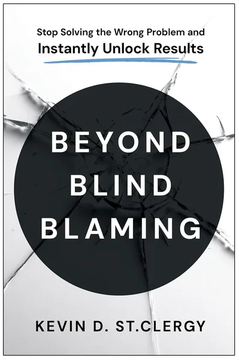
Kevin St.Clergy
Best for: Entrepreneurs and business owners who feel persistently stuck despite genuine effort and sound strategy, and suspect the real issue may be that they're solving the wrong problem rather than the right one badly.
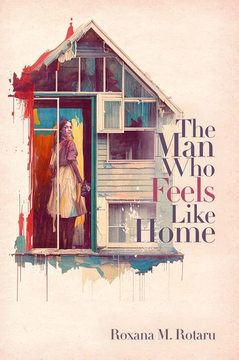
Roxana Rotaru
Best for: Readers who enjoy introspective, character-driven romantic fiction and are drawn to coming-of-age stories that honestly examine what makes a relationship healthy, compatible, and genuinely comforting.
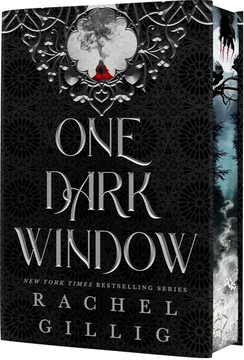
Rachel Gillig
Best for: Readers drawn to lushly gothic, atmosphere-first dark fantasy — especially those who loved Naomi Novik's Uprooted — who want a psychologically complex protagonist, a magic system with genuine moral weight, and a completed duology they can binge straight through to its conclusion.
Stephanie Garber
Best for: Readers aged 13–18 who love dark fairytale romance, morally ambiguous supernatural figures, and emotionally driven heroines — whether they're already fans of the Caraval trilogy or looking for a compelling entry point into Garber's world.
Mo Gawdat
Best for: Readers who want a self-help book that earns its optimism — specifically those who have experienced serious loss or persistent low-level unhappiness and respond best to a structured, logic-driven framework rather than motivational anecdote.
Christopher Buehlman
Best for: Readers of literary dark fiction who want medieval history treated as lived reality — Heaven, Hell, and the Black Death as cosmological fact — and who are drawn to flawed, disgraced protagonists navigating both human vengeance and cosmic warfare.
Kevin Cover
Best for: Practicing managers and emerging team leaders who want a concise, structured framework for building a repeatable leadership system rather than a survey of leadership theory.
Taha Maarouf
Best for: Readers who feel mentally overwhelmed by everyday anxiety, emotional contagion, or self-sabotage and want a short, action-oriented framework rooted in positive psychology rather than a lengthy clinical text.
Arden Moore
Best for: Cat owners at any experience level — from first-time adopters to long-term companions — who want an accessible, expert-backed reference they can dip into whenever a specific feline behavior puzzles them.
D S Getson
Best for: Readers drawn to Southern Gothic coming-of-age fiction who want a historically grounded story of family trauma, redemption, and moral weight — particularly those who respond to prose-driven narratives rooted in real events rather than genre invention.
Stephen W. Hiemstra
Best for: Young adult readers aged 12–18 — and parents, educators, or youth-group leaders choosing for them — who want genre adventure set across first-century Israel and Rome and are open to fiction that places Christian questions of calling and identity at the centre of the plot.
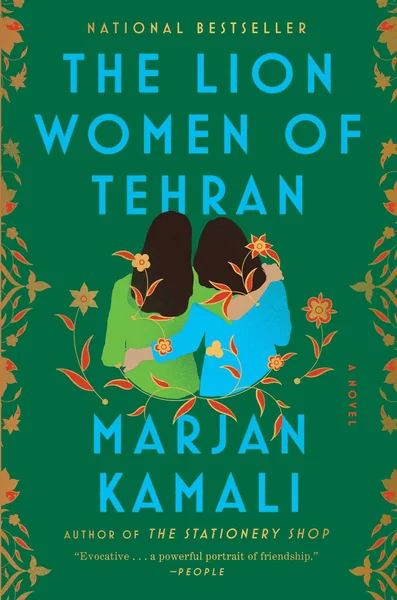
Marjan Kamali
Best for: Readers who love sweeping, historically grounded friendship sagas — particularly those drawn to modern Iranian history and women's resistance narratives — who responded to Kamali's earlier The Stationery Shop and are ready to invest in a seven-decade story.
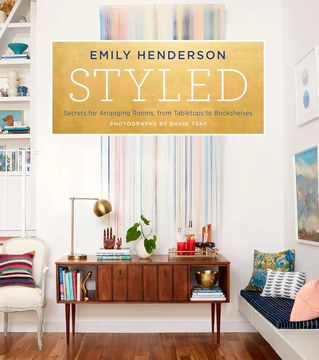
Emily Henderson, Angelin Borsics
Best for: Renters, first-time homeowners, and budget-conscious decorators who want a repeatable, step-by-step method for making their existing spaces look more intentional — without undertaking renovations or large-scale purchases.
Lisa Barrett
Best for: Curious, educated lay readers — as well as researchers, clinicians, and professionals in law, psychiatry, or education — who want a fully developed, research-grounded account of what contemporary affective neuroscience actually says about how emotions work, rather than what popular culture has long assumed.
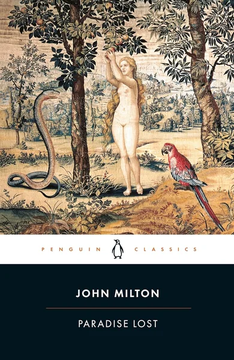
John Milton
Best for: Students, first-time readers seeking scholarly support, and returning readers who want to engage seriously with one of the greatest and most demanding poems in the English language — particularly in this Penguin Classics edition with John Leonard's editorial introduction and apparatus.
